The Ultimate Loose Leaf Tea Sorting Machine List for Small Shops
The global tea market shows significant growth potential. Small shops can capitalize on this trend by improving product quality. A modern loose leaf tea sorting machine automates quality control. The top five models for 2025 are:
- Satake PIKASEN FMS-2000
- Tomra 3C
- Anhui RealTech Mini Color Sorter
- AKYUREK SORTURK Mini
- Genn Controls G-Sort Micro
Tea Market Projections
Metric Value Market Value in 2024 US$ 69.26 Billion Projected CAGR (2025–2033) 6.55%
Top 5 Loose Leaf Tea Sorting Machines: Detailed Reviews
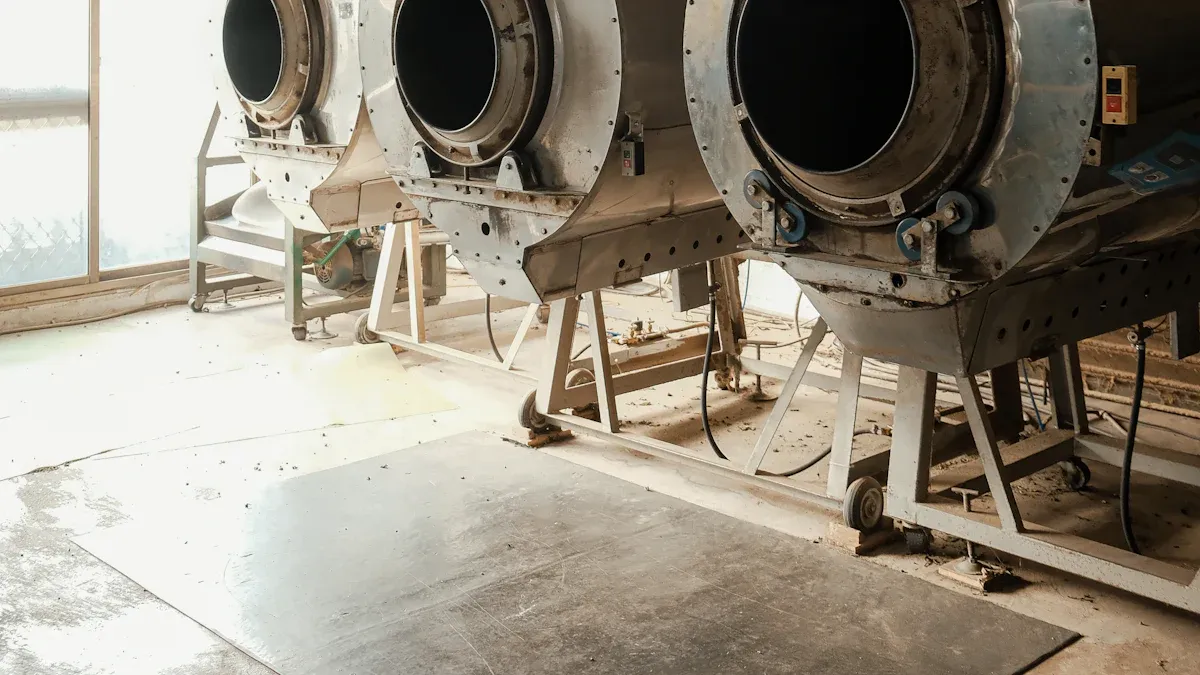
Automating your quality control process is a significant step. It enhances product consistency and brand reputation. This section provides a detailed analysis of the top five machines. Each review will help you understand which model best fits your shop's specific needs.
1. Satake PIKASEN FMS-2000: Best Overall Performance
The Satake PIKASEN FMS-2000 stands out for its exceptional performance and reliability. This machine uses advanced imaging technology to achieve superior sorting accuracy. It effectively removes foreign materials, discolored leaves, and stems. The result is a remarkably clean and high-quality final product that commands a premium price. Its robust build ensures long-term operational stability, making it a sound investment for businesses prioritizing quality above all else.
| Specification | Detail |
|---|---|
| Camera | Full Color RGB |
| Resolution | 0.14mm/pixel |
| Model | PIKASEN (FMS-2000) |
This high-resolution capability allows the FMS-2000 to detect minute defects that other sorters might miss. Shops aiming to be market leaders in quality will find this machine provides a distinct competitive advantage.
2. Tomra 3C: Top Choice for Compact Spaces
Space is often a luxury in small retail or processing environments. The Tomra 3C addresses this challenge directly. It delivers powerful sorting capabilities within a surprisingly compact footprint. This machine combines high-resolution cameras with advanced laser technology. This dual-sensor system allows it to analyze tea leaves based on color, structure, and shape. The Tomra 3C is an ideal solution for shops needing high-performance sorting without sacrificing valuable floor space. Its efficiency and small size offer a powerful combination for growing businesses.
3. Anhui RealTech Mini Color Sorter: The Budget-Friendly Option
Entering the world of automated sorting does not require a massive capital investment. The Anhui RealTech Mini Color Sorter offers a very accessible price point, with models often available in the $2,500 to $5,000 range. This makes it an excellent entry-level loose leaf tea sorting machine for small businesses and startups. While its precision may not match premium models, it provides a significant upgrade over manual sorting. It reliably removes common defects and improves overall product consistency.
Important Note on Support 📝 Anhui RealTech provides a one-year guarantee and lifetime software upgrade services. Customers should note that if on-site installation is required, they are responsible for the engineer's travel, accommodation, and related expenses.
This model presents a practical and low-risk path to automating quality control.
4. AKYUREK SORTURK Mini: Highest Precision for Specialty Teas
Specialty and single-origin teas require the utmost care. The AKYUREK SORTURK Mini is engineered for this exact purpose. It offers unparalleled precision, making it the top choice for businesses handling delicate, high-value products like Silver Needle or Gyokuro. The machine's advanced optical system can be calibrated to identify the subtlest variations in color and shape. This ensures that only the most perfect leaves make it into the final package. For purveyors of rare and artisanal teas, the SORTURK Mini protects the integrity of the product and justifies a premium market position. Its precision is not just a feature; it is a commitment to excellence.
5. Genn Controls G-Sort Micro: Easiest to Use and Maintain
Technology should simplify workflow, not complicate it. The Genn Controls G-Sort Micro excels in user-friendliness. This loose leaf tea sorting machine features an intuitive touchscreen interface with pre-programmed settings for various tea types.
- Simple setup reduces initial configuration time.
- Easy-to-clean components minimize daily maintenance.
- On-screen diagnostics help operators quickly resolve minor issues.
This focus on ease of use reduces the need for extensive staff training. It allows any team member to operate the machine confidently. For shop owners who value operational simplicity and low maintenance overhead, the G-Sort Micro is an outstanding choice.
Key Features to Look for in a Loose Leaf Tea Sorting Machine

Selecting the right loose leaf tea sorting machine requires a clear understanding of its core features. This knowledge helps a business owner align the machine's capabilities with their shop's specific operational needs and quality goals.
Sorting Technology: Optical vs. NIR
Optical sorters are the standard for tea sorting. They use high-resolution cameras, like Japan Toshiba Optical CCD sensors, to scan leaves for surface-level defects. The system identifies foreign materials, off-color leaves, or stems. An ejector then uses a puff of air to blow these defective items into a rejection hopper. Near-Infrared (NIR) technology offers a more advanced option, analyzing the chemical composition to detect internal properties like moisture content.
Capacity and Speed (kg/hr)
A machine's capacity, measured in kilograms per hour (kg/hr), determines its throughput. Small shops should choose a model that matches their production volume. Capacities for smaller machines typically range from 160 kg/hr to over 350 kg/hr.
 Selecting a machine with appropriate capacity prevents bottlenecks and ensures efficient workflow.
Footprint and Installation
Physical space is a critical factor for small businesses. Sorters come in various sizes, with compact models designed for limited areas. For example, some machines have a footprint as small as 1400mm x 650mm. Buyers must measure their available space to ensure a proper fit and allow room for operation and maintenance.
Ease of Use and Maintenance
A user-friendly machine reduces training time and operational errors.
Operators require special training to understand the machine's characteristics, safety protocols, and maintenance procedures. Regular upkeep is also essential. While a sorter can last 8–12 years, parts like pneumatic nozzles, valves, and belts need periodic replacement.
Return on Investment (ROI)
An automated sorter is a significant investment with a strong potential return. The average payback period ranges from 6 to 18 months. This ROI comes from two main sources:
- Labor Savings: One machine can do the work of 5 to 10 manual sorters.
- Increased Product Value: A cleaner, higher-quality product can sell for up to a 30% premium.
At-a-Glance: How the Top 5 Tea Sorters Compare
Choosing the right machine involves balancing several key factors. A direct comparison simplifies this decision-making process. The following table consolidates the most critical specifications for each of the top five models. Business owners can use this data to quickly identify which machine aligns best with their priorities, whether that is precision, budget, or physical size. This overview provides a clear, objective snapshot to guide a strategic investment.
Machine Comparison Table
This table offers a side-by-side look at the key performance indicators for each recommended loose leaf tea sorting machine.
| Model | Best For | Sorting Accuracy | Capacity (kg/hr) | Footprint (Approx.) |
|---|---|---|---|---|
| Satake PIKASEN FMS-2000 | Overall Performance | > 99.9% | 200 - 400 | 1.5m x 1.2m |
| Tomra 3C | Compact Spaces | ~ 99.8% | ~ 250 | 1.4m x 0.7m |
| Anhui RealTech Mini | Budget-Conscious | ~ 99.7% | ~ 160 | 1.1m x 0.8m |
| AKYUREK SORTURK Mini | High Precision | > 99.95% | ~ 180 | 1.3m x 1.0m |
| Genn Controls G-Sort Micro | Ease of Use | ~ 99.8% | ~ 200 | 1.2m x 0.9m |
A Note on Specifications 💡 The figures for capacity and footprint are estimates. Actual performance can vary based on the type of tea and the specific configuration. Buyers should always confirm exact dimensions and throughput with the manufacturer to ensure a perfect fit for their operational needs.
This comparative data empowers shop owners to make an informed choice, matching a machine's strengths directly to their business goals and operational constraints.
The Satake PIKASEN FMS-2000 presents an ideal balance of performance and reliability for most small shops. Businesses prioritizing budget will find the Anhui RealTech Mini a solid entry point into automation. Ultimately, owners must select a machine matching their top priority—budget, space, or precision—to elevate tea quality and prepare for future AI-driven, sustainable technologies.
FAQ
How much maintenance does a tea sorter require?
Operators perform daily cleaning on the machine. Key components like nozzles and belts require periodic replacement. This regular upkeep ensures an operational lifespan of 8 to 12 years.
Can one machine sort different types of tea?
Yes. Modern sorters feature adjustable software settings. Operators can calibrate the machine for various tea types, accommodating different leaf sizes, shapes, and colors for maximum sorting flexibility. ✅
What is the main benefit of NIR technology?
Near-Infrared (NIR) technology analyzes a tea leaf's chemical composition. It detects internal properties like moisture content, offering a deeper quality assessment beyond simple visual inspection.
See Also
Essential Industrial Vacuum Cleaners: Top 6 Picks for Your Business
Understanding Tablet Sampling Machines: A Comprehensive Guide for Lab Selection
Crucial Industrial Checkweighers: The Three Must-Haves for Food Plants
Discovering Top Suppliers: Where to Purchase X-Ray Inspection Machines from China
Future of Carton Lines: Trending Folder Gluer Features Expected in 2025