The Best Curtain Lining Fabrics for Your Home in 2026
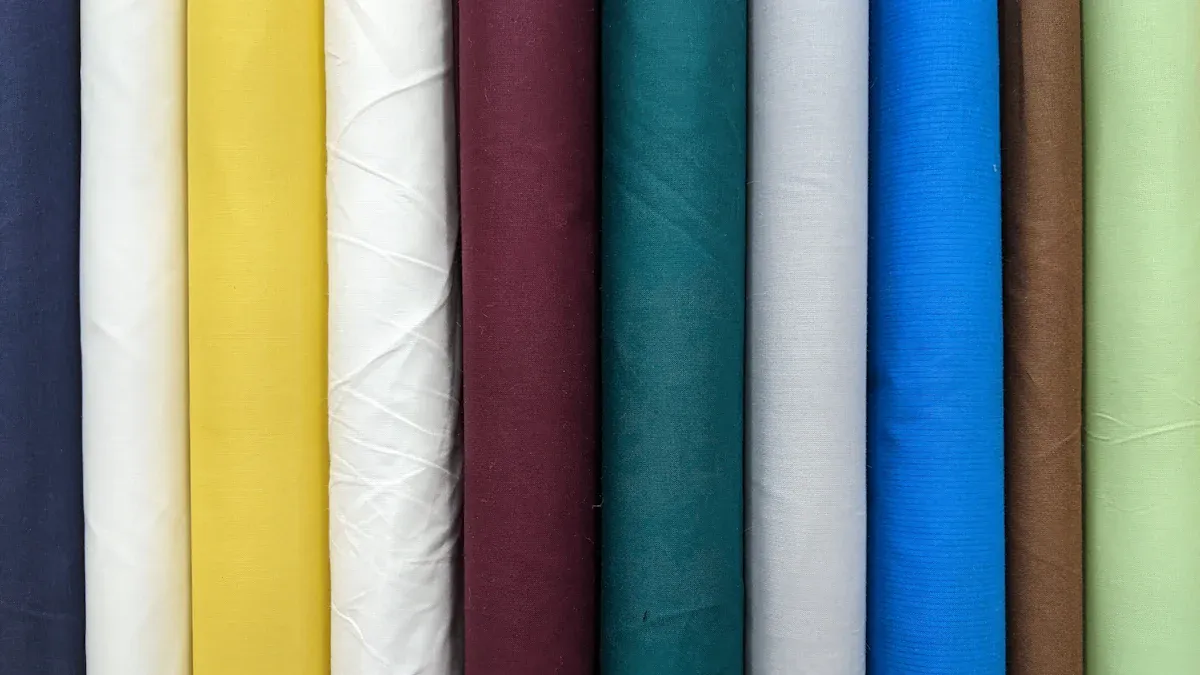
Choosing the correct lining curtain fabric transforms a room's function and feel. Each type offers distinct advantages for the homeowner.
A Quick Guide to Lining Types
- Blackout Lining: Provides complete darkness and maximum privacy.
- Thermal Lining: Delivers superior temperature control for energy efficiency.
- Interlining: Creates a luxurious, full drape with added insulation.
- Standard Lining: Offers basic privacy while protecting the main curtain material.
Key Takeaways
- Blackout lining blocks all light. It helps you sleep better and keeps rooms dark.
- Thermal lining saves energy. It keeps your home warm in winter and cool in summer.
- Interlining makes curtains look fancy. It adds thickness and helps with insulation.
- Standard lining protects curtains. It gives privacy and makes curtains hang well.
- Dimout lining reduces light. It is good for rooms where you want some light but less glare.
Understanding Your Lining Curtain Fabric Options
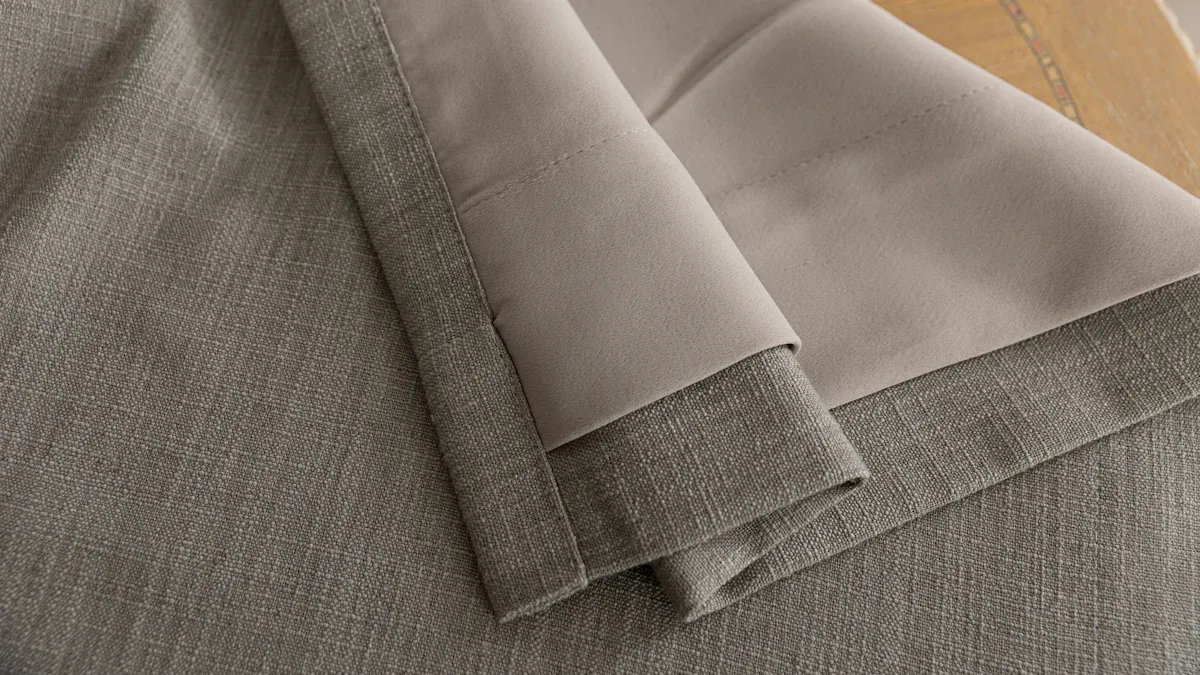
Selecting the right lining curtain fabric is a critical decision. It directly impacts a room's ambiance, comfort, and energy consumption. Each type of lining offers a unique set of benefits tailored to specific needs. Homeowners can choose from several options to enhance their window treatments.
Blackout Lining: For 100% Light Control
Blackout lining is the ultimate solution for anyone seeking complete darkness. This dense fabric is engineered to block 100% of incoming light, making it an ideal choice for bedrooms, home theaters, and nurseries. Its opaque construction ensures total privacy day and night.
Beyond light control, blackout lining offers significant health advantages. It enhances sleep quality by creating a dark environment crucial for melatonin production. The body secretes this hormone in darkness to regulate sleep-wake cycles. Blocking intrusive light helps individuals fall asleep faster and enjoy more restorative rest.
Key Health & Lifestyle Benefits of Blackout Lining:
- Facilitates optimal melatonin secretion for better sleep.
- Helps regulate sleep-wake cycles, especially for shift workers.
- Promotes deep, restorative sleep for improved well-being.
- Contributes to heightened productivity during waking hours.
Additionally, the dense weave of blackout fabric provides moderate thermal insulation and noticeable noise reduction, creating a quieter and more comfortable indoor space.
Thermal Lining: Your Energy-Saving Solution
Thermal lining is a smart investment for the energy-conscious homeowner. This specialized fabric features a unique construction designed to provide superior insulation. During winter, it helps prevent heat from escaping through windows. In the summer, it reflects solar heat, keeping rooms cooler.
This temperature regulation translates directly into financial savings. Studies show that thermal linings can reduce a home's heat loss through windows significantly. Homeowners can expect to lower their annual heating and cooling costs by up to 25%. This efficiency not only reduces utility bills but also lessens a household's carbon footprint. While not as light-blocking as true blackout material, many thermal linings also offer excellent room-darkening properties.
Interlining: For a Luxurious Drape and Insulation
Interlining is the secret to achieving a truly high-end, professional look for curtains. It is a layer of soft, thick fabric placed between the main curtain material and the standard or blackout lining. This addition dramatically enhances the body and fullness of the curtains, creating an opulent, sumptuous drape.
Designers often use interlining to add a touch of luxury and substance to lighter fabrics like silk or linen. The added weight helps the curtains hang beautifully. Common materials used for interlining include:
- Velvet and Chenille: These fabrics offer a thick, textured feel that provides excellent body and a three-dimensional look.
- Silk: A delicate option that adds a smooth, glossy layer, enhancing the beauty of the main curtain.
- High Precision Fabric: This dense, smooth material adds significant weight and texture for a premium appearance.
Beyond aesthetics, interlining provides exceptional thermal and acoustic insulation, often surpassing the performance of a single thermal lining. This makes it a perfect choice for living rooms and dining rooms where both elegance and comfort are priorities.
Standard Lining: The Everyday Essential
Standard lining is the foundational choice for most curtain applications. It serves as a versatile workhorse, providing essential benefits without the specialized features of blackout or thermal options. This lining curtain fabric is typically made from a polyester-cotton blend or 100% cotton, offering a crisp finish that helps the main curtain hang properly.
The primary role of standard lining is to protect the more expensive face fabric. It acts as a barrier against sun fading and dust, preserving the color and integrity of the curtains. Privacy lining, a common type of standard lining, allows light to filter gently into the room. This feature obscures the view from outside during the day, making it ideal for living areas where homeowners want brightness without sacrificing privacy. It also adds a modest layer of insulation and gives thinner curtain materials a more substantial, structured appearance.
Primary Functions of Standard Lining
- Protects the main fabric from sun damage and discoloration.
- Adds weight and body for an improved drape and structure.
- Offers a basic level of privacy while still allowing light to pass through.
- Extends the overall lifespan of the curtains.
The material choice impacts its longevity. Cotton, a popular option, is known for its durability when cared for correctly.
| Property | Cotton |
|---|---|
| Average Lifespan | 5–10 years |
Homeowners select standard lining for its balance of function and affordability in spaces that do not require complete darkness or significant temperature control.
Dimout Lining: The Flexible Light-Filtering Choice
Dimout lining offers a perfect compromise between standard lining and full blackout. It is engineered to significantly darken a room but not eliminate light completely. This makes it an excellent choice for multi-purpose spaces where flexibility is key. Unlike blackout fabrics that block 100% of light, dimout materials achieve a high level of light reduction through a tightly woven fabric construction, often using black yarns in the core of the weave.
This lining is ideal for living rooms, home offices, or media rooms where users may want to reduce screen glare without plunging the space into total darkness. It is also a popular choice for children's bedrooms. It can create a dark enough environment for daytime naps while still allowing a sliver of light to prevent the room from feeling too stark. The key benefit is control—softening harsh daylight to create a comfortable, ambient atmosphere.
The performance of dimout lining is impressive, blocking a majority of incoming light and providing excellent privacy.
| Curtain Type | Light Blockage Percentage |
|---|---|
| Dim-Out Curtains | 80% to 90% |
| 95% Blackout Curtains | Nearly 95% |
| 100% Total Blackout | 100% (complete darkness) |
Ultimately, dimout lining provides a balanced solution for homeowners who need substantial light control and privacy but prefer to avoid the absolute darkness of a blackout curtain.
A Room-by-Room Guide to Choosing Curtain Lining
Matching the lining to the room's function is the key to successful window treatments. The right choice enhances a room's comfort, usability, and style.
For the Bedroom
Interior design experts consistently recommend 100% blackout lining for primary bedrooms. This choice is essential for creating an optimal sleep environment. Blackout fabric effectively blocks all morning light, helping to regulate sleep-wake cycles for better rest. Homeowners gain several key benefits with this option.
- Improved sleep quality by eliminating all light intrusion.
- Maximum privacy day and night.
- Noticeable noise reduction from outside disturbances.
- Enhanced drape and body for the curtains.
This lining creates a restful sanctuary, which is crucial for health and well-being. It is the premier choice for anyone prioritizing deep, uninterrupted sleep.
For the Living Room
The living room requires a balance between natural light and privacy. Standard privacy lining is an excellent solution for these social spaces. This lightweight lining, often made from polyester or poly-cotton blends, creates a 'frosted-glass effect.' It allows soft, diffused light to fill the room while preventing outsiders from seeing in. This maintains a bright and welcoming atmosphere. For living rooms that double as media spaces, a dimout lining that blocks 80-90% of light can reduce glare without causing total darkness.
For the Home Office
Productivity in a home office often depends on controlling screen glare. The best lining choice depends on the severity of the light problem. A blackout lining is the most powerful option, as it blocks 100% of incoming light for immediate darkness. This is particularly beneficial for eliminating harsh glare on computer monitors. For a more flexible approach, homeowners can consider other options that maintain a professional aesthetic.
| Lining Type | Shading Percentage |
|---|---|
| Privacy Lining | 60-80% |
| Room Darkening | 75-85% |
| Blackout Lining | 100% |
Light-blocking linen curtains, for example, can reduce glare significantly while still allowing some ambient light, creating a focused yet pleasant workspace.
For the Nursery or Kids' Room
Creating a safe and restful environment is the top priority for a nursery or child's room. Blackout lining is the best choice for promoting healthy sleep schedules, especially for daytime naps. It darkens the room effectively, helping children rest without interruption. Beyond light control, fabric safety is paramount. Parents should look for specific certifications to ensure the lining is free from harmful chemicals.
- OEKO-TEX Standard 100: This label verifies the fabric is tested for harmful substances. The Class I certification is the strictest, ensuring the material is safe enough for babies to touch or even chew.
- GOTS (Global Organic Textile Standard): This applies to organic fabrics. It guarantees the material is at least 95% organic and prohibits harmful chemicals like flame retardants and formaldehyde.
- GreenGuard Gold: This certification ensures the curtains have low chemical emissions, which improves indoor air quality by reducing VOCs.
For the Home Theater
A dedicated home theater demands an authentic cinematic experience. For this purpose, 100% blackout lining is non-negotiable. It eliminates all ambient light, preventing glare and washed-out images on the screen. This total darkness allows projectors and high-definition screens to perform at their peak, displaying deep blacks and vibrant colors as the director intended.
The dense fabric of a quality blackout lining also offers acoustic benefits. It helps absorb sound and reduce echo within the room, leading to clearer, more immersive audio. This combination of light and sound control is essential for creating a truly professional-grade viewing environment.
For Kitchens and Bathrooms
Kitchens and bathrooms present a unique challenge due to high humidity and moisture. The ideal lining for these spaces must resist mold and mildew. Standard cotton or interlining should be avoided, as they can trap moisture. Instead, homeowners should select synthetic or specially treated materials.
Excellent moisture-resistant options include:
- Polyester: This synthetic fabric is naturally water-resistant and durable, making it a practical and long-lasting choice.
- PEVA and EVA: These non-toxic, waterproof materials are highly effective at preventing mold and mildew growth in damp conditions.
- Organic Cotton or Hemp: While not fully waterproof, these natural fibers are a sustainable option. They require good airflow and frequent washing to prevent mildew.
Key Factors to Consider Before You Buy
Selecting the right lining involves more than just aesthetics. Homeowners should evaluate several key factors to ensure their window treatments meet the functional demands of the space. A careful assessment of light, energy, and privacy needs will guide the decision-making process.
Light Control Needs
The primary function of a curtain lining is often light management. Homeowners must first determine the desired level of brightness for a room.
- Standard linings gently filter sunlight, reducing glare while keeping the room bright.
- Dimout linings significantly darken a space, making them suitable for media rooms or daytime naps.
- Blackout linings offer the ultimate solution, blocking 100% of light for complete darkness.
Assessing how a room is used throughout the day helps identify the most appropriate level of light control.
Insulation and Energy Efficiency
Windows are a primary source of energy loss in a home. The right lining can provide significant thermal insulation, leading to lower utility bills and a more comfortable indoor environment. Thermal linings are specifically engineered to prevent heat transfer.
A quality thermal lining acts as a barrier, reflecting solar heat in the summer and retaining indoor warmth during the winter. This can reduce a home's heating and cooling costs by up to 25%.
For maximum insulation, interlining offers an additional thick layer that boosts both thermal performance and sound absorption.
Privacy Level
Privacy is a crucial consideration, especially for bedrooms and street-facing rooms. The type of lining curtain fabric chosen directly determines how much can be seen from the outside. An unlined curtain offers minimal privacy, while specialized linings provide complete obscurity. The difference in visibility is significant across various options.
| Lining Type | Perceived Privacy from Outside Viewers |
|---|---|
| Unlined | Breezy, translucent; view from outside is clear. |
| Privacy Lining | Obscures view from outside, like frosted glass; light filters through. |
| Blackout Lining | Blocks 100% of incoming light, providing total darkness and maximum privacy. |
Homeowners should match the lining's privacy level to the room's location and purpose.
Noise Reduction
Dense curtain linings significantly reduce unwanted outside noise. They create a more peaceful and quiet indoor environment. The fabric's weight and thickness absorb sound waves, dampening disturbances from traffic, neighbors, or construction. This acoustic insulation is a valuable benefit for homes in busy urban areas.
Certain lining types offer superior sound-dampening properties. Homeowners seeking maximum noise reduction should consider these options:
- Interlining: The thickest option, providing the highest level of sound absorption.
- Fleece or Flannel: These soft, dense materials are excellent at muffling sound.
- Woven Blackout: Its tight, multi-layered weave effectively blocks both light and noise.
Choosing one of these linings can make a noticeable difference in a room's tranquility. 🧘
Fabric Care and Maintenance
Proper care extends the life and appearance of curtain linings. Homeowners should always check the manufacturer's care label before cleaning. The fabric's material composition dictates the appropriate maintenance method. Synthetic materials often offer easier care than natural fibers.
This table provides a general guide for common lining materials.
| Lining Material | Recommended Care |
|---|---|
| Polyester/Polycotton | Machine washable on a gentle cycle; low-tumble dry. |
| 100% Cotton | May shrink; wash in cold water or dry clean. |
| Coated Blackout | Wipe clean with a damp cloth; avoid machine washing. |
| Interlining (Fleece) | Typically requires professional dry cleaning. |
Following these instructions prevents damage like shrinking, fading, or deterioration of special coatings.
Drape and Fullness
A lining gives curtains a professional and finished appearance. It adds weight and body, which helps the main fabric hang in elegant, uniform folds. An unlined curtain can look thin and insubstantial. The lining provides structure, creating a more luxurious and intentional look.
Designers use interlining to achieve the most opulent drape. This hidden layer adds substantial weight and volume, transforming even lightweight fabrics like silk into sumptuous, full-bodied window treatments.
The added fullness not only enhances aesthetics but also improves the lining's insulating properties. This combination of beauty and function makes lining an essential component of high-quality curtains.
Comparing Common Lining Materials
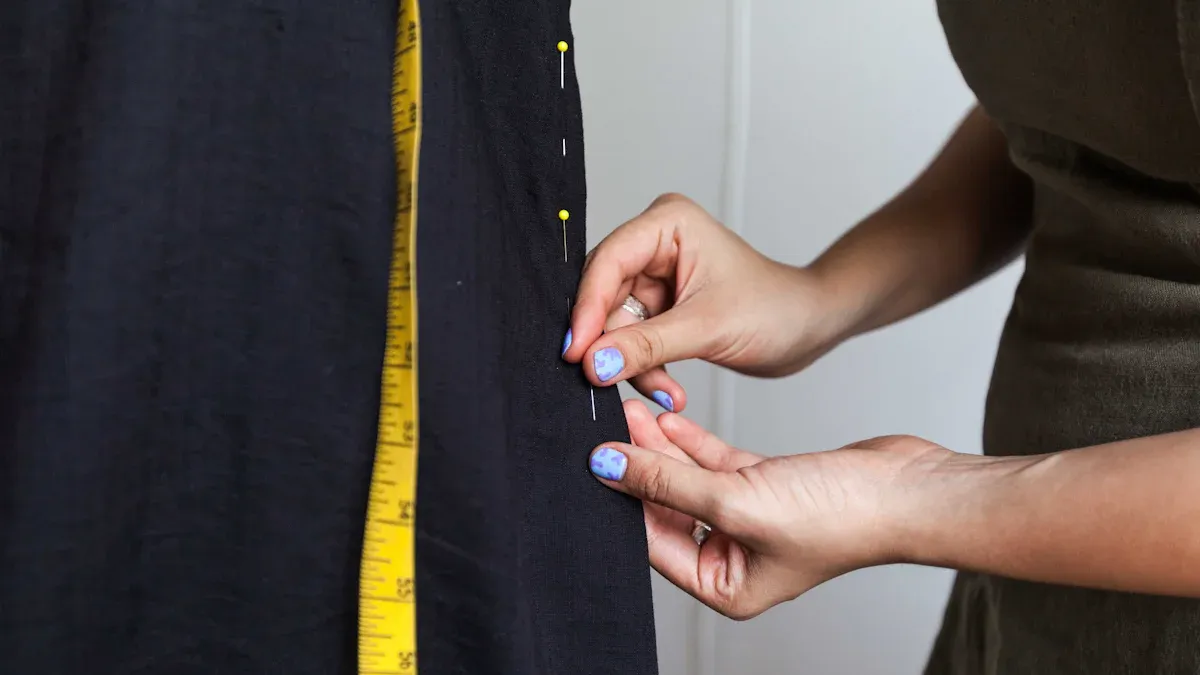
The material of a curtain lining directly influences its performance, durability, and appearance. Homeowners can choose from several common fabrics, each offering distinct advantages for their window treatments.
Polyester and Polycotton Blends
Polyester and polycotton blends are the industry standard for their practicality and value. These synthetic fabrics offer exceptional durability and resistance to shrinking or stretching. They are also less prone to wrinkling than natural fibers, ensuring the curtains maintain a crisp, clean look. Their easy-care nature makes them a popular choice for busy households.
Key Advantages of Polyester/Polycotton:
- Highly durable and long-lasting
- Resistant to wrinkles and mildew
- Affordable and widely available
- Typically machine washable for easy maintenance
Cotton and Cotton Sateen
Cotton provides a classic, high-quality finish for curtain linings. As a natural fiber, it is breathable and hangs beautifully. Cotton sateen, a premium variant, features a woven structure that creates a subtle, elegant sheen. This smooth surface allows the main curtain fabric to glide over it, enhancing the drape and creating graceful folds. While cotton offers a luxurious feel, it may require more careful maintenance to prevent shrinkage.
Fleece and Flannel
Homeowners seeking maximum insulation often turn to fleece and flannel for interlining. These thick, soft materials are placed between the face fabric and the back lining. Heavy curtain fabrics improve light control, thermal efficiency, and acoustic management. The dense composition of fleece and flannel creates a powerful barrier with several benefits.
- Enhances window treatments by improving insulation.
- Helps regulate indoor temperature by preventing drafts.
- Significantly boosts soundproofing capabilities.
- Adds substantial weight for a sumptuous, full drape.
These materials transform standard curtains into high-performance window treatments, contributing to energy savings and a quieter home environment. Heavy flannel interlining is a popular and effective option for achieving these results.
Coated vs. Woven Blackout
When selecting blackout lining, homeowners encounter two primary types: coated and woven. Each technology achieves darkness differently, impacting the fabric's feel, care, and performance. Understanding these differences is crucial for making the right choice.
Coated blackout fabric starts as a standard material. Manufacturers then apply multiple layers of a foam or polymer coating to the back. This process creates an impenetrable barrier to light.
- Pros: Often achieves 100% total light blockage, making it the top choice for absolute darkness.
- Cons: The coating can make the fabric stiff, affecting its drape. It typically requires spot cleaning, as machine washing can damage the coating. Some lower-quality versions may have a slight chemical odor initially.
Woven blackout fabric, also known as "3-pass dimout," achieves its light-blocking properties through its construction. A black yarn is woven between two outer layers of fabric. This internal dark layer absorbs the light that passes through the top layer.
Woven blackout offers a softer, more natural drape that closely mimics standard fabric. This makes it an excellent choice for bedrooms and living areas where both aesthetics and light control are important. 🛋️
The primary distinction lies in the fabric's handle and maintenance. Woven options feel more like traditional textiles and are often machine washable.
| Feature | Coated Blackout | Woven Blackout |
|---|---|---|
| Light Blockage | Up to 100% | 95-99% |
| Drape & Feel | Stiffer, less fluid | Soft, natural drape |
| Care | Spot clean or wipe down | Often machine washable |
| Durability | Coating can crack over time | Very durable weave |
Ultimately, coated blackout is the ultimate solution for pure function, ideal for home theaters. Woven blackout provides a superior aesthetic and feel, offering a more luxurious and practical solution for everyday living spaces.
Installation and Pairing with Curtains
Proper installation ensures that curtains and their linings function correctly and look their best. Homeowners can choose between adding a separate lining to existing curtains or purchasing a pre-lined, all-in-one solution. Each approach requires careful consideration of fabric compatibility.
Attaching Separate Linings
Homeowners can upgrade their existing curtains by adding a separate lining. This custom approach allows for precise control over the final product. Two primary methods exist for this task.
- Detachable Lining Method: This flexible option involves creating a separate lined panel. The homeowner then hooks it onto the existing curtain's heading tape or eyelet top. This method allows for easy removal when one layer needs washing.
- Direct Sewing Method: This permanent technique provides a highly professional finish. It requires carefully sewing the lining directly to the sides and bottom hem of the face fabric. This approach demands moderate sewing skills but creates a seamless, integrated look.
Choosing Pre-Lined Curtains
For convenience and a guaranteed professional result, pre-lined curtains are an excellent choice. These products come with the lining already attached by the manufacturer. This saves time and eliminates any guesswork involved in pairing fabrics. Choosing a pre-lined curtain ensures the lining and face fabric are perfectly compatible in weight and care requirements, resulting in a beautiful and uniform drape right out of the package. This is an ideal solution for homeowners seeking a straightforward, reliable window treatment.
Matching Lining to Curtain Weight
Pairing the right lining with the curtain's face fabric is critical for achieving a beautiful drape. A mismatch in weight can ruin the curtain's appearance. A lining that is too heavy will pull down and distort a lightweight curtain, while a lining that is too light will not provide enough body for a heavy face fabric.
Pro Tip: The lining fabric should always be the same weight as or slightly lighter than the main curtain fabric. This rule ensures the curtain hangs correctly and the lining remains hidden. ✅
Following this guideline prevents sagging and ensures the curtains fall in elegant, structured folds.
Choosing the right lining curtain fabric is a crucial final step. Homeowners elevate their window treatments by matching the material to the room's primary function. This ensures optimal performance and style.
Key Takeaways:
- Blackout: For complete darkness and privacy.
- Thermal: For energy savings and temperature control.
- Interlining: For a luxurious drape and added insulation.
A thoughtful investment in the correct lining enhances both the utility and beauty of any curtain, completing the room's design. ✨
FAQ
Can I add a lining to my existing curtains?
Yes, homeowners can easily add a separate lining to existing curtains. They can attach it with special curtain hooks for easy removal. For a permanent solution, sewing the lining directly to the face fabric creates a professional, integrated appearance.
Does the color of the curtain lining matter?
The lining's color significantly impacts its function. A white or ivory lining reflects the most heat and light, improving energy efficiency. It also creates a uniform, clean look from the outside of the home, which enhances curb appeal.
Is interlining the same as thermal lining?
No, these two linings serve different purposes.
- Thermal lining is a single layer designed for temperature control.
- Interlining is a thick, soft middle layer. It adds a luxurious drape, plus superior thermal and acoustic insulation.
How do I choose a lining for sheer curtains?
Homeowners should pair sheer curtains with a lightweight standard lining. This choice offers privacy and protects the delicate sheer material from sun damage. The lightweight fabric preserves the curtain's airy, elegant drape without adding too much bulk.
See Also
Leading Precoating Materials Shaping Filtration System Performance in 2025
Innovative Folder Gluer Features Revolutionizing Carton Production Lines by 2025
Defining Excellence: The Best Nameplate Suppliers for 2025 Success
Silicone Sealant: The Unsung Hero of Modern Construction and Decor
Cutting-Edge Materials Transforming Heat Exchanger Supply Chains Today