Best House Elevations Modern vs Traditional Styles Compared
Modern and traditional house elevations display unique design philosophies. Homeowners often select a style based on personal taste, neighborhood context, or desired curb appeal.
- Modern elevations feature clean lines and innovative materials.
- Traditional styles showcase classic details and timeless craftsmanship.
Selecting the Best House Elevations depends on lifestyle needs, architectural preferences, and maintenance expectations.
Best House Elevations: Modern Styles
Defining Modern Elevation Features
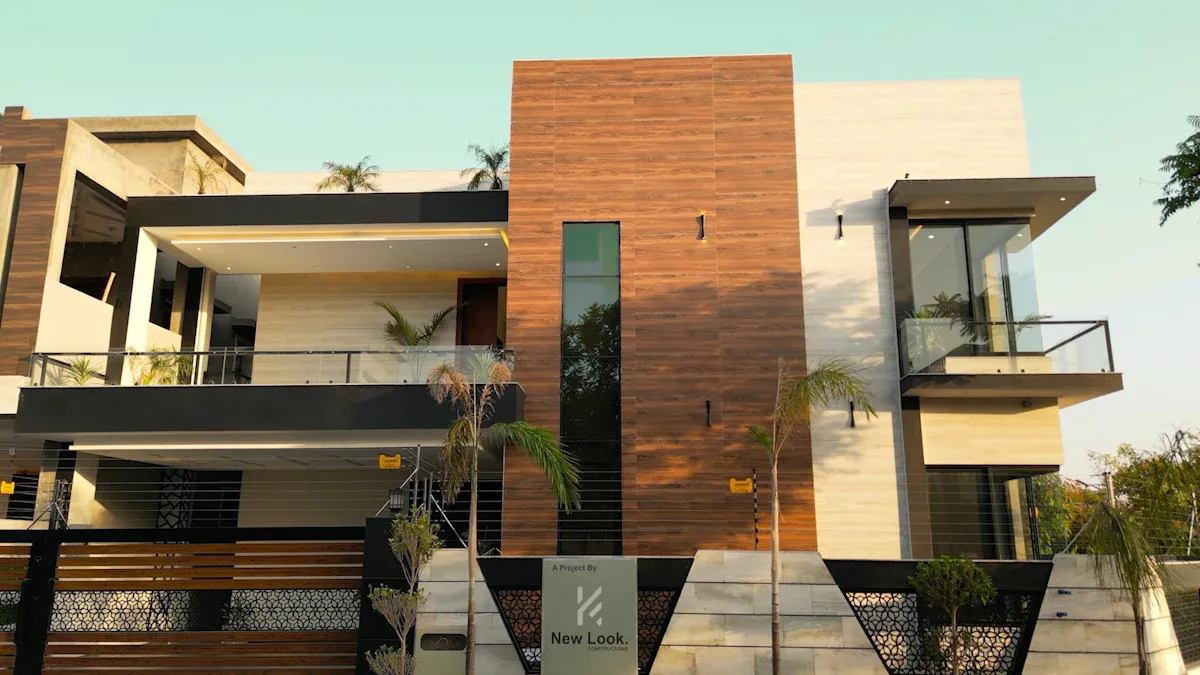
Modern house elevations stand out with their clean lines and geometric shapes. Architects often design these homes with flat or low-pitched roofs. Large windows and open floor plans create a sense of spaciousness. Many modern homes use asymmetrical facades to add visual interest. Homeowners who want a sleek and uncluttered look often choose this style.
Tip: Modern elevations often maximize natural light, making interiors feel brighter and more inviting.
Materials in Modern Home Exteriors
Designers select materials that reflect innovation and simplicity. Common choices include glass, steel, and concrete. Many modern homes also use wood or stone accents for warmth. The combination of these materials creates a balanced and sophisticated appearance. The table below highlights popular materials and their features:
| Material | Feature | Benefit |
|---|---|---|
| Glass | Large panels | Enhances natural light |
| Steel | Structural support | Modern aesthetic |
| Concrete | Smooth surfaces | Durability |
| Wood | Accent elements | Adds warmth |
| Stone | Textured finishes | Visual contrast |
Modern Style Appeal
Modern styles attract those who value innovation and efficiency. These homes often feature energy-saving designs and smart technology. Minimalist landscaping complements the architecture. Many buyers see modern elevations as a symbol of progress and creativity. The Best House Elevations in this category offer both style and function, making them a top choice for contemporary living.
- Homeowners appreciate the low-maintenance exteriors.
- Open layouts support flexible living spaces.
- Modern designs often increase property value.
Best House Elevations: Traditional Styles
Classic Elements of Traditional Elevations
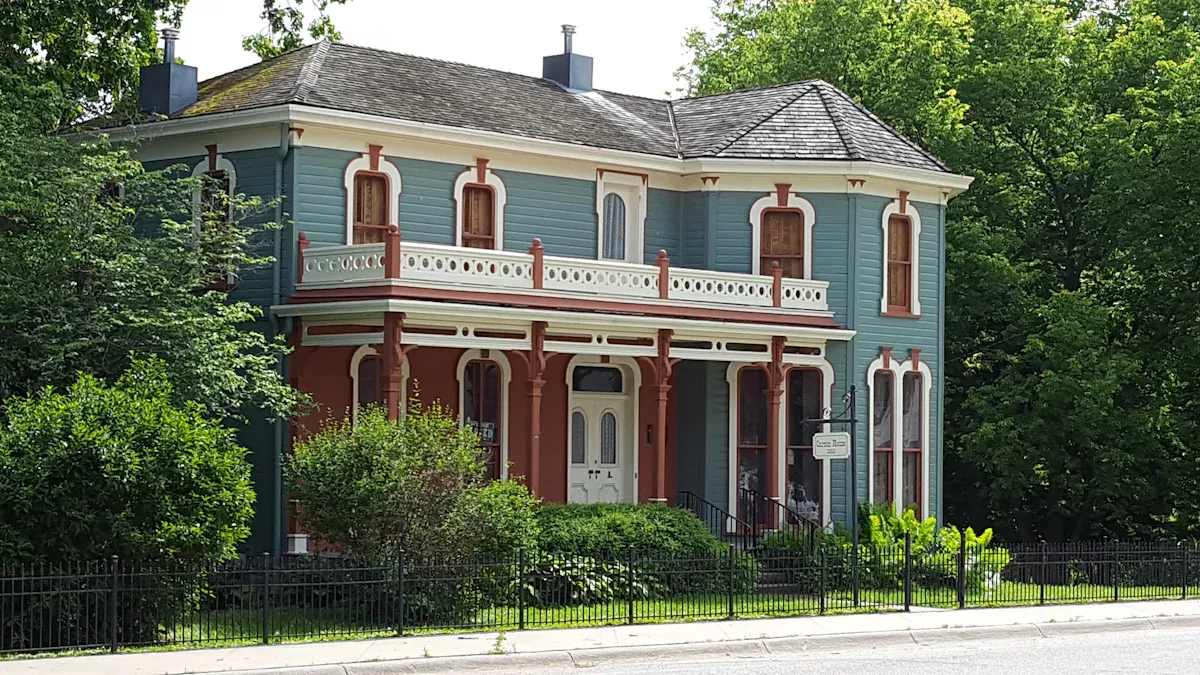
Traditional house elevations display timeless features that many homeowners recognize. Architects often use pitched roofs, symmetrical facades, and detailed moldings. Columns, shutters, and gabled roofs add character to these homes. Many designs include covered porches or verandas. These elements create a welcoming and familiar appearance.
Note: Traditional elevations often reflect regional influences, such as Colonial, Victorian, or Craftsman styles.
Materials and Finishes in Traditional Homes
Builders select materials that emphasize durability and warmth. Brick, natural stone, and wood siding remain popular choices. Many homes feature painted trim and decorative accents. The table below highlights common materials and their characteristics:
| Material | Appearance | Benefit |
|---|---|---|
| Brick | Classic, textured | Long-lasting |
| Stone | Natural, sturdy | Adds elegance |
| Wood Siding | Warm, inviting | Versatile design |
| Stucco | Smooth, refined | Weather-resistant |
These materials help the Best House Elevations in traditional styles stand the test of time. Homeowners often choose finishes that complement the landscape and neighborhood.
Traditional Design Principles
Designers follow principles that focus on balance and harmony. Symmetry plays a key role in many traditional homes. Proportions remain consistent, and details receive careful attention. Rooflines, window placement, and entryways all contribute to a cohesive look. Many people find comfort in the familiar patterns and craftsmanship of traditional elevations.
- Traditional styles offer a sense of history.
- Many neighborhoods feature these elevations for their enduring appeal.
- The Best House Elevations in this category provide both beauty and practicality.
Best House Elevations: Modern vs Traditional Comparison
Visual Differences and Curb Appeal
Modern house elevations present a striking appearance. Architects use large windows, flat roofs, and bold geometric shapes. These features create a sleek and minimalist look. The exterior often includes materials like glass, steel, and concrete. Landscaping around modern homes tends to be simple and uncluttered.
Traditional house elevations offer a warm and inviting feel. Designers use pitched roofs, symmetrical facades, and decorative details. Brick, stone, and wood siding add texture and depth. Homeowners often select lush gardens and classic pathways to enhance curb appeal.
| Style | Roof Type | Facade Shape | Common Materials | Landscaping Approach |
|---|---|---|---|---|
| Modern | Flat/Low-pitch | Asymmetrical | Glass, Steel, Concrete | Minimalist |
| Traditional | Pitched/Gabled | Symmetrical | Brick, Stone, Wood | Ornamental |
Note: Curb appeal influences first impressions and can affect property value.
Functionality and Everyday Living
Modern homes support flexible living. Open floor plans allow easy movement between rooms. Large windows bring in natural light, which reduces the need for artificial lighting. Many modern designs include smart technology for energy efficiency. Residents enjoy low-maintenance exteriors and adaptable spaces.
Traditional homes focus on comfort and privacy. Rooms often have clear boundaries, which creates cozy areas for family activities. Covered porches and verandas provide outdoor living spaces. Durable materials like brick and stone help homes withstand weather changes. Many families appreciate the sense of security and tradition.
- Modern style suits those who value innovation and efficiency.
- Traditional style fits those who prefer comfort and classic design.
Which Style Fits Your Lifestyle?
Choosing between modern and traditional house elevations depends on personal needs. Individuals who enjoy open spaces and contemporary features may prefer modern homes. Those who value history and craftsmanship often select traditional styles.
Consider these factors when deciding:
- Daily Routine: Modern layouts support active lifestyles and frequent gatherings. Traditional layouts offer quiet spaces for relaxation.
- Maintenance: Modern exteriors require less upkeep. Traditional materials may need regular care.
- Neighborhood Context: Some areas favor one style over the other. Matching the local aesthetic can improve resale value.
- Long-Term Goals: Modern homes may appeal to younger buyers. Traditional homes attract those seeking lasting charm.
Tip: The Best House Elevations reflect both personal taste and practical needs.
Best House Elevations: Pros and Cons
Modern Style Advantages
Modern house elevations deliver several benefits for homeowners. Architects design these homes with energy efficiency in mind. Large windows allow sunlight to fill living spaces, which reduces the need for artificial lighting. Builders often use durable materials like steel and concrete, which require minimal maintenance. Open floor plans create flexible areas for entertaining or relaxing. Many modern homes feature smart technology, which helps residents manage energy use and security.
Advantages of Modern Styles:
- Energy-efficient design
- Low-maintenance exteriors
- Flexible living spaces
- Integration of smart home features
- Contemporary curb appeal
Tip: Modern elevations often increase property value in urban neighborhoods.
Modern Style Disadvantages
Despite their appeal, modern house elevations present some challenges. Large glass panels may reduce privacy for residents. Flat roofs can require more frequent inspections to prevent leaks. Some materials, such as steel and concrete, may cost more than traditional options. Modern designs sometimes clash with older homes in established neighborhoods. Homeowners who prefer classic details may find modern styles too minimalistic.
| Disadvantage | Impact |
|---|---|
| Reduced privacy | More visible interiors |
| Roof maintenance | Potential for leaks |
| Higher material cost | Increased budget |
| Neighborhood fit | Possible mismatch |
Note: Modern styles may not suit every location or personal preference.
Traditional Style Advantages
Traditional house elevations offer lasting value and comfort. Builders use materials like brick and stone, which withstand weather and age gracefully. Symmetrical designs and classic details create a welcoming atmosphere. Covered porches and verandas provide outdoor living spaces for families. Many neighborhoods favor traditional styles for their timeless charm and sense of history.
Key Advantages:
- Durable construction
- Familiar and inviting appearance
- Outdoor living features
- Strong resale value in established areas
- Wide acceptance among homeowners
Homeowners often choose traditional styles for their reliability and classic beauty.
Traditional Style Disadvantages
Traditional house elevations offer charm and durability, but they also present several challenges for homeowners. Many people admire the classic look, yet they must consider the practical drawbacks before choosing this style.
Maintenance Requirements
Traditional homes often use materials like wood siding, brick, and stone. These materials require regular upkeep to maintain their appearance and structural integrity. Wood siding needs painting or staining every few years. Brick and stone may develop cracks or discoloration over time. Homeowners must invest time and money in repairs and cleaning.
Energy Efficiency Concerns
Older traditional designs may lack modern insulation and energy-saving features. Windows in these homes often have single panes, which allow heat to escape during winter and enter during summer. Heating and cooling costs can rise quickly. Upgrading insulation or windows increases expenses.
Limited Adaptability
Traditional layouts usually feature separate rooms and formal spaces. These designs may not suit families who prefer open floor plans or flexible living areas. Renovating a traditional home to create larger spaces often requires major structural changes.
Higher Initial Costs
Builders use high-quality materials and detailed craftsmanship in traditional homes. These features increase construction costs. Custom details, such as moldings and columns, add to the budget.
| Disadvantage | Description | Impact on Homeowners |
|---|---|---|
| Maintenance | Frequent repairs and upkeep | Increased time and cost |
| Energy Efficiency | Poor insulation and outdated windows | Higher utility bills |
| Adaptability | Rigid layouts and formal spaces | Limited flexibility |
| Initial Costs | Premium materials and craftsmanship | Larger investment |
Note: Homeowners who choose traditional elevations should plan for ongoing maintenance and possible upgrades.
Traditional house elevations provide beauty and history, but they demand careful consideration of these disadvantages. Homeowners must weigh the long-term costs and lifestyle limitations before making a decision.
Best House Elevations: Transitional and Hybrid Options
Combining Modern and Traditional Elements
Designers often blend modern and traditional features to create transitional house elevations. This approach allows homeowners to enjoy the best qualities of both styles. Transitional designs use clean lines from modern architecture and combine them with classic details found in traditional homes. Architects select materials that offer durability and visual interest. For example, they may pair sleek glass panels with warm brick or stone accents.
Homeowners appreciate the flexibility of transitional styles. These elevations adapt to different neighborhoods and personal tastes. Many transitional homes feature open floor plans, but they also include cozy spaces for relaxation. Designers focus on balance, ensuring that neither style overwhelms the other.
Tip: Transitional elevations work well for families who want a timeless look with modern conveniences.
Popular Hybrid Styles
Several hybrid styles have gained popularity in recent years. Each style offers a unique blend of modern and traditional elements. The table below highlights some common hybrid options and their key features:
| Hybrid Style | Modern Features | Traditional Elements | Appeal |
|---|---|---|---|
| Modern Farmhouse | Large windows, open layout | Gabled roof, wood siding | Inviting and functional |
| Craftsman Contemporary | Simple lines, mixed materials | Exposed beams, detailed trim | Warm and stylish |
| Colonial Modern | Minimalist facade, metal accents | Symmetrical shape, brickwork | Elegant and balanced |
| Urban Cottage | Compact design, smart tech | Porch, shingle siding | Cozy and efficient |
Homeowners select hybrid styles for their versatility. Modern farmhouses combine rustic charm with spacious interiors. Craftsman contemporary homes use natural materials and clean lines to create a welcoming atmosphere. Colonial modern designs offer symmetry and elegance with updated finishes. Urban cottages maximize space and comfort in city settings.
- Hybrid elevations suit a wide range of preferences.
- These styles often increase property value due to their broad appeal.
- Designers recommend hybrid options for those seeking a personalized home exterior.
Note: Transitional and hybrid house elevations provide a practical solution for homeowners who want both tradition and innovation.
Best House Elevations: How to Choose Your Style
Personal Preferences and Taste
Every homeowner brings unique preferences to the table. Some people feel drawn to the clean lines and open spaces of modern elevations. Others appreciate the comfort and history found in traditional designs. Color choices, window styles, and exterior finishes all reflect personal taste. Homeowners often collect inspiration from magazines, online galleries, or neighborhood walks.
Tip: Creating a mood board helps clarify style preferences before meeting with an architect or designer.
A simple checklist can guide the decision process:
- List favorite architectural features.
- Identify preferred color palettes.
- Note any must-have elements, such as porches or large windows.
Budget and Maintenance Considerations
Budget plays a major role in selecting a house elevation style. Modern homes may use materials like steel and glass, which can increase upfront costs. Traditional homes often require skilled labor for detailed trim and masonry. Maintenance needs also differ between styles.
| Style | Typical Initial Cost | Maintenance Level |
|---|---|---|
| Modern | Higher | Lower |
| Traditional | Moderate to High | Moderate to High |
Homeowners should consider long-term expenses. Modern exteriors often need less upkeep, while traditional materials may require regular painting or repairs. Factoring in both initial investment and ongoing maintenance ensures a realistic plan.
Local Trends and Neighborhood Fit
Neighborhood context influences the best choice for house elevation. Some communities favor a cohesive look, with many homes sharing similar styles. Others encourage architectural diversity. Local climate also affects material choices and design features.
- Research neighborhood guidelines or homeowners’ association rules.
- Observe which styles dominate the area.
- Consider how the chosen elevation will blend with or stand out from nearby homes.
Note: Selecting a style that fits the local context can boost property value and foster a sense of belonging.
Modern house elevations showcase innovation and simplicity, while traditional styles highlight timeless charm and craftsmanship. Each approach offers distinct benefits for homeowners.
- Modern designs suit those who value efficiency and contemporary aesthetics.
- Traditional elevations appeal to individuals seeking comfort and classic details.
Homeowners should evaluate their lifestyle, personal taste, and neighborhood trends. The best house elevation reflects their unique vision and supports daily living needs.
FAQ
What is the main difference between modern and traditional house elevations?
Modern elevations feature clean lines and innovative materials. Traditional elevations display classic details and symmetrical shapes. Homeowners select styles based on personal taste, neighborhood context, and desired curb appeal.
Do modern house elevations cost more to build than traditional styles?
Modern homes often use materials like steel and glass, which can increase construction costs. Traditional homes may require skilled labor for detailed trim and masonry. Costs vary by location, design complexity, and material choice.
Which house elevation style requires less maintenance?
Modern elevations usually need less maintenance because builders use durable materials like concrete and steel. Traditional homes often require regular upkeep, such as painting wood siding or repairing brick and stone.
Can homeowners mix modern and traditional elements in one house elevation?
Designers often blend features from both styles to create transitional or hybrid elevations. Homeowners enjoy the flexibility of combining clean lines with classic details. This approach suits many neighborhoods and personal preferences.
How does house elevation style affect property value?
Curb appeal plays a key role in property value. Modern elevations attract buyers seeking contemporary design. Traditional styles appeal to those who value history and craftsmanship. Matching the neighborhood style often increases resale potential.
See Also
Comparing Steel And Wood Support Columns: Pros And Cons
25 Must-See Construction Website Designs For Inspiration
Evaluating Hospital Bed Elevators: Safety And Performance Rankings