Which Bottles Best Preserve Your Essential Oils?
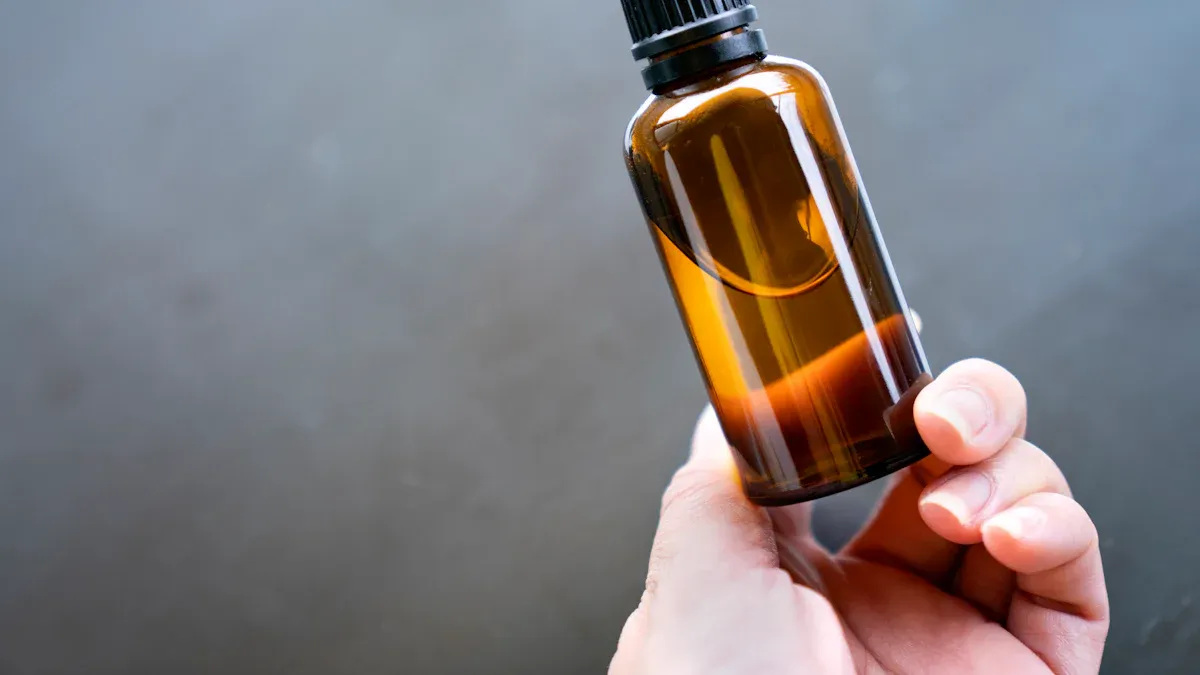
Selecting the right container is paramount for preserving an essential oil's therapeutic qualities. The ideal essential oil bottle consists of dark-colored glass; amber glass offers superior protection for maximum potency and longevity. An airtight seal is just as critical as the material. This vital component prevents degradation from air and moisture, safeguarding the oil's integrity.
Key Takeaway: The combination of dark glass and an airtight cap provides the ultimate defense against the primary factors of oil degradation: light and air.
Why Amber Glass Is the Top Choice
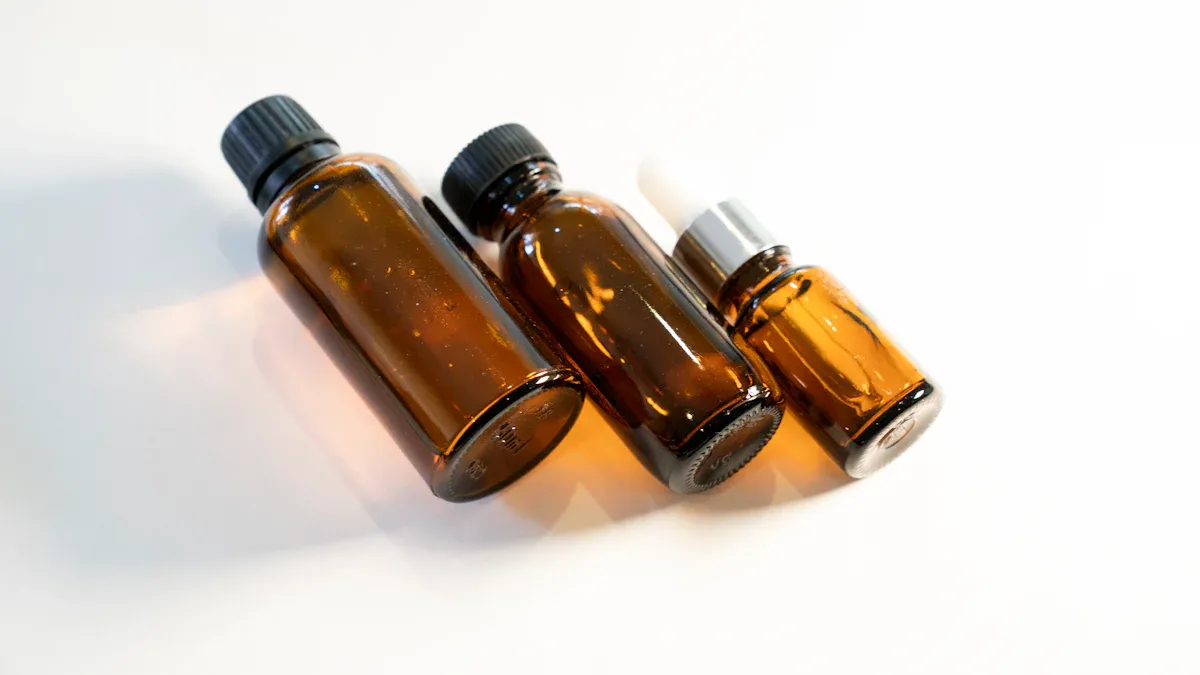
Amber glass bottles are the gold standard for essential oil storage for several compelling reasons. They offer an unparalleled combination of protection, chemical stability, and reliability. This makes them the preferred choice for aromatherapists, formulators, and enthusiasts who demand the highest quality and longevity from their oils. The dark, rich color is not merely aesthetic; it serves a critical scientific function in preserving the delicate chemical compounds within.
Superior UV Light Protection
Ultraviolet (UV) radiation from sunlight is one of the most significant threats to the stability of essential oils. Exposure to UV light initiates chemical reactions that can alter an oil's aroma, diminish its therapeutic benefits, and shorten its shelf life. Amber glass provides exceptional protection by filtering out the most damaging portions of the light spectrum.
Its dark amber hue is specifically effective at blocking blue light and all harmful UV rays. This comprehensive filtering capability is what sets it apart from other colored glass options.
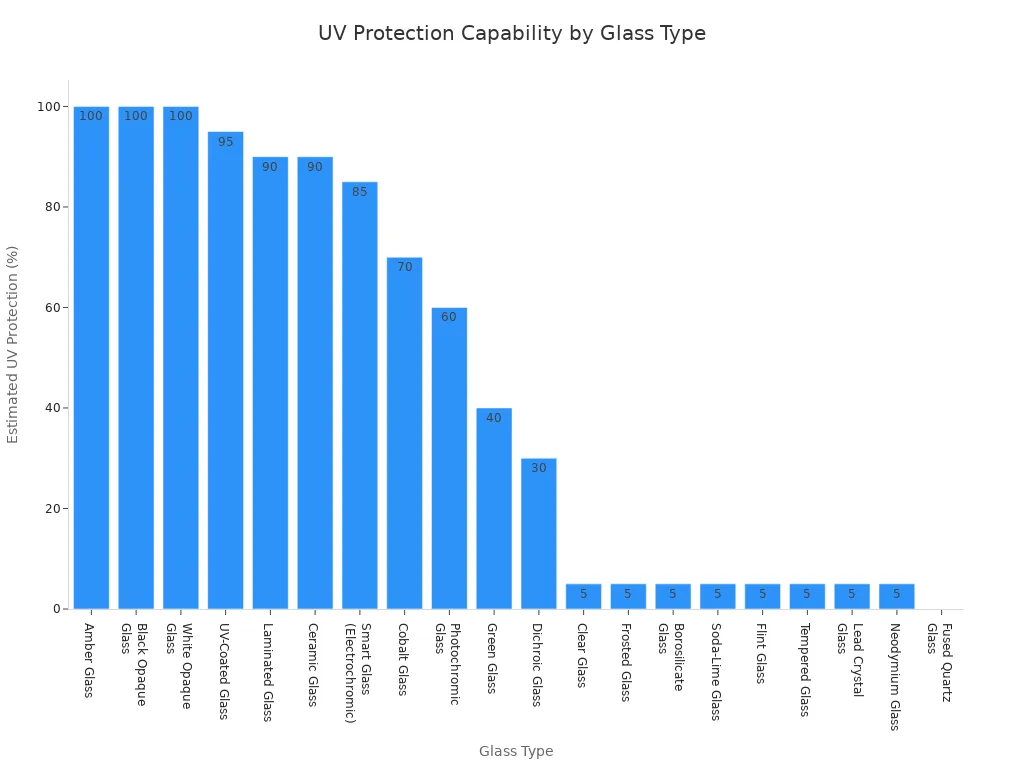
Note: While completely opaque glass, like black or white, also blocks 100% of UV light, amber glass allows you to see the oil level inside the bottle without compromising protection.
The chart below illustrates how different glass types compare in their ability to shield contents from UV radiation.
The Benefit of Chemical Inertness
Essential oils are highly concentrated and can be reactive. Some oils, particularly those from citrus (like lemon or bergamot) or mint families, contain potent compounds that can degrade certain materials. Glass is chemically inert, meaning it does not react with the oils it contains.
This non-reactive quality ensures that:
- The oil's chemical profile remains pure and unaltered.
- No harmful substances from the container leach into the oil.
- The structural integrity of the essential oil bottle itself is maintained over time.
Medical-grade borosilicate glass, often used for high-quality amber bottles, offers even greater resistance to chemical degradation and thermal shock. This makes it an ideal material for long-term storage, ensuring the oil's therapeutic potency is preserved for 24 months or more.
Preventing Photodegradation
Photodegradation is the process where light energy breaks down the chemical compounds in an essential oil. This process, often a form of photo-oxidation, is accelerated by the presence of both light and oxygen.
The science is straightforward. Light acts as a catalyst, exciting molecules within the oil. This reaction can create highly reactive agents like free radicals. These agents then trigger a chain reaction, attacking the delicate aromatic compounds, especially those with double bonds. The result is a breakdown of the oil's therapeutic structure, leading to a loss of aroma and efficacy. By blocking nearly all UV light, amber glass effectively stops this destructive process before it can begin, safeguarding the oil's complex chemistry.
Key Takeaway: Amber glass is the top choice because it provides a multi-faceted defense. It blocks damaging UV light, remains chemically non-reactive with potent oils, and directly prevents the process of photodegradation, ensuring your essential oils stay pure, potent, and effective for as long as possible.
Are Other Bottle Colors Effective?
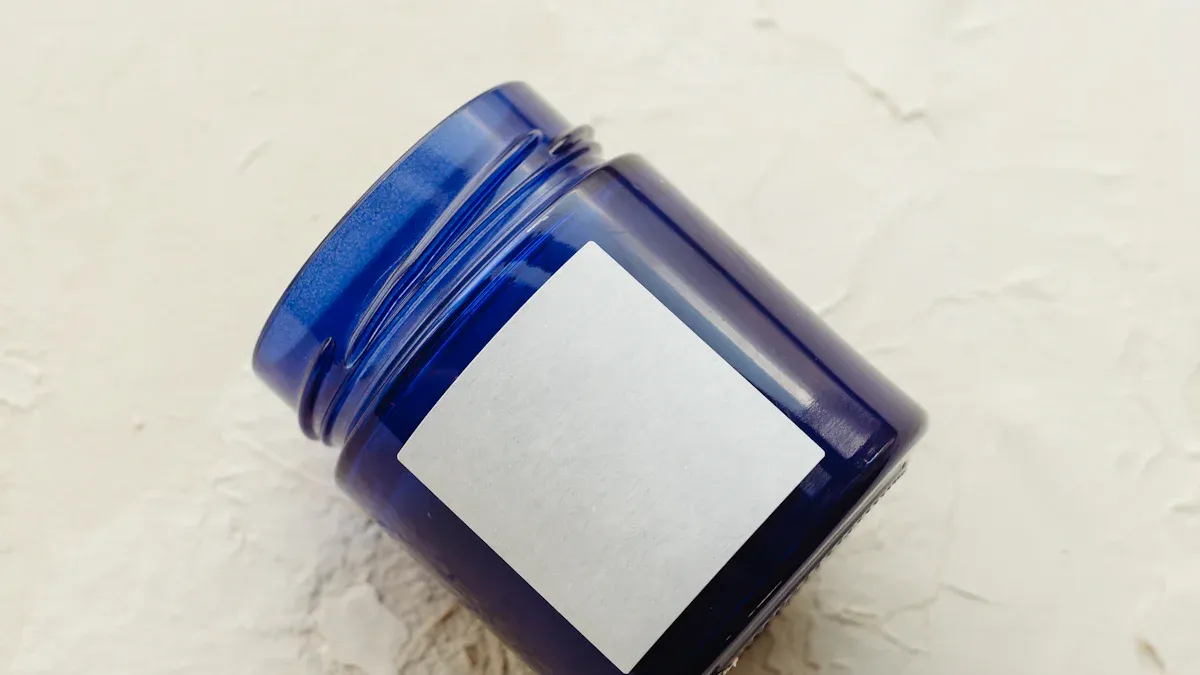
While amber glass holds the top position for preservation, other colored glass options are common in the market. Their effectiveness, however, varies significantly. Understanding their limitations is key to making an informed choice for oil storage.
Cobalt Blue and Green Glass
Cobalt blue and green glass bottles offer an attractive alternative to amber. Cobalt blue glass provides some protection from UV light because its deep tint absorbs more light than clear glass. It offers moderate shielding but does not block the full spectrum of damaging light as effectively as amber glass. For highly light-sensitive products, its protection is considered inadequate.
Green glass is even less effective. It fails to block a sufficient amount of UV radiation to properly preserve delicate essential oils. While suitable for some products like beer or wine, it is not a recommended choice for aromatherapy storage where maximum potency is the goal.
The Problem with Clear Glass
Clear glass bottles offer virtually no protection against UV rays. Sunlight acts as a powerful catalyst when it passes through clear glass, accelerating the oxidation and degradation of essential oils. This exposure causes a rapid breakdown of the oil’s delicate therapeutic molecules. The process leads to a significant loss of potency, an altered scent, and the potential formation of skin-irritating compounds. For this reason, reputable suppliers rarely package high-quality essential oils in clear glass.
What About Frosted or Painted Glass?
Frosted glass may seem like a protective option, but it offers minimal defense against UV light. The frosting process diffuses visible light but does not block the harmful ultraviolet rays that cause photodegradation. A painted essential oil bottle presents a different set of concerns. While an opaque coating could block light, its effectiveness depends on the paint's quality and durability. Low-quality paint can chip, flake, or even react with the essential oil, potentially contaminating the contents.
Key Takeaway: While blue and green glass offer moderate to low protection, they are inferior to amber. Clear and frosted glass provide almost no UV defense, making them unsuitable for long-term storage.
Essential Features Beyond Color
While bottle color is the first line of defense, the cap and dispenser mechanism are equally vital for preserving an oil's integrity. A bottle is only as good as its seal. Oxygen and moisture are primary enemies of essential oils, and even the best amber glass cannot protect its contents if the cap allows air to enter.
The Importance of an Airtight Seal
An airtight seal is non-negotiable for long-term storage. It prevents oxidation, the chemical process that degrades oils when they are exposed to air. This seal also stops volatile aromatic compounds from evaporating, which would diminish the oil's potency and aroma.
Several cap liners provide an effective barrier.
- Polyseal® Cone Liners: These liners, often made of Low-Density Polyethylene (LDPE), are built into the cap. They form a wedge-like seal against the top of the bottle, effectively preventing leaks and evaporation.
- Induction Liners: For ultimate security, induction liners create a hermetic, tamper-evident seal. A machine uses heat to melt a layer of wax and foil onto the container's rim, offering a powerful barrier against contamination.
Orifice Reducers vs. Dropper Tops
The dispensing method impacts both usability and preservation. Orifice reducers and dropper tops are the two most common options, each with distinct advantages and disadvantages.
Orifice reducers are small plastic inserts that fit into the bottle's opening. They offer several key benefits for preservation and use:
- Reduced Oxygen Exposure: The small opening minimizes the amount of air that enters the bottle, slowing oxidation and extending the oil's shelf life.
- Accurate Dosing: They allow users to dispense the oil one drop at a time, ensuring precise measurement and reducing product waste.
- Contamination Prevention: The controlled opening helps prevent dust, moisture, and microbes from contaminating the contents.
Dropper tops, while convenient for immediate application, are less ideal for long-term storage. The rubber bulb of a standard dropper can degrade over time, especially when exposed to potent oils like citrus or phenols. This degradation can cause the rubber to swell, crack, or become sticky, ultimately contaminating the oil inside the essential oil bottle. There is also a minor risk of evaporation through the rubber material itself over extended periods.
Key Takeaway: For long-term storage, a standard cap with an orifice reducer provides the best protection against oxidation. Dropper tops are excellent for creating blends or for bottles in active use, but they are not the best choice for archiving oils.
Choosing the Right Essential Oil Bottle Size
Selecting the correct bottle size is a crucial, yet often overlooked, aspect of essential oil preservation. While color and material protect oils from light, the bottle's size plays a direct role in defending against oxidation. The goal is to match the volume of your oil to the size of its container as closely as possible.
Why Bottle Size Matters
The size of an essential oil bottle directly influences the amount of oxygen trapped inside with the oil. A larger bottle holding a small amount of oil contains a significant volume of air. This empty area, known as headspace, is the primary battleground where oxidation occurs. Oxygen in the headspace reacts with the oil's delicate compounds, degrading its therapeutic properties and altering its aroma over time. Therefore, choosing a bottle that you will use up in a reasonable timeframe prevents prolonged exposure to a large amount of oxygen.
Minimizing Headspace to Reduce Oxidation
Effectively minimizing headspace is the most practical way to slow the oxidation process and extend an oil's shelf life. The less empty space in the bottle, the less oxygen is available to degrade the oil. For aromatherapists and enthusiasts who purchase oils in bulk, managing headspace is especially important. A large 100ml bottle is excellent for storing a master blend, but it should not remain half-empty for long.
Follow these best practices to protect your investment:
- Keep essential oil bottles as full as you can.
- Minimize the empty 'headspace' inside the container.
- Transfer oils to progressively smaller bottles as you use them to ensure the containers remain nearly full.
Key Takeaway: To maximize freshness and potency, always store your essential oils in a bottle that is appropriately sized for the volume of oil. As you use the oil, transfer the remaining amount to a smaller bottle to reduce oxygen exposure and prevent degradation.
What to Absolutely Avoid for Storage
Choosing the right container material is just as important as selecting the right color. Certain materials can actively harm your essential oils or even pose a safety risk. Understanding what to avoid is critical for maintaining the purity and integrity of your collection.
The Dangers of Most Plastic Bottles
Most plastic containers are unsuitable for storing pure essential oils. Essential oils are highly concentrated and contain powerful organic compounds. These compounds can dissolve or react with many types of plastic, causing the container to break down. This chemical reaction leaches harmful substances from the plastic directly into the oil, contaminating it and rendering it unsafe for use. Furthermore, the structural integrity of the bottle can fail, leading to leaks and product loss. For these reasons, one should never store undiluted essential oils in common plastic bottles.
Understanding HDPE and PET Plastics
While most plastics are problematic, there are a few exceptions for specific uses. High-Density Polyethylene (HDPE or plastic #2) and Polyethylene Terephthalate (PET or plastic #1) are two plastics known for their higher resistance to essential oils. PET plastic, in particular, is considered safe for certain diluted preparations. It is an acceptable choice for products where the essential oil concentration is low, such as:
- Essential oil blends in creams
- Essential oil blends in lotions
- Essential oil blends in carrier oils
However, for storing pure, undiluted essential oils, glass remains the only professionally recommended option.
The Issue with Rubber Components
Rubber components present a significant risk to the longevity of essential oils. The pliable rubber bulbs found on many dropper tops will break down when in prolonged contact with essential oils. Pure essential oils, especially potent citrus varieties like lemon and orange, are known to cause rapid deterioration of the rubber. This degradation causes the bulb to become sticky, swell, or crack, which contaminates the oil with rubber particles and can cause leakage.
Key Takeaway: For safe, long-term storage, always use a standard screw cap. Dropper tops are excellent tools for application but should not be used as the primary storage lid for your essential oil bottle.
How to Properly Store and Handle Your Oils
Proper storage extends beyond choosing the right bottle. Careful handling, filling, and labeling practices are essential for maintaining the safety, purity, and efficacy of your essential oils. These steps ensure each drop remains potent and ready for use.
Best Practices for Filling Bottles
Transferring oils requires a steady hand and the right tools to prevent spills and contamination. Using appropriate dispensing tools minimizes waste and protects the oil's integrity.
- Funnels: Small funnels designed for vials and roll-on bottles prevent spills. Their design allows for easy pouring of both essential oils and carrier oils.
- Pipettes: Fine-tip plastic disposable pipettes or glass droppers offer precision. They are excellent for transferring specific amounts and creating blends without mess.
Using these tools ensures a clean transfer, preserving every valuable drop of oil.
Proper Labeling for Safety and Identification
Accurate labeling is a critical safety measure. A clear label prevents misuse and provides essential information at a glance. Every essential oil bottle should have a waterproof label that includes key details.
Essential Label Information: 📝
- Product Identity: The common name of the oil (e.g., Lavender).
- Net Quantity: The volume of oil in the bottle (e.g., 15 ml).
- Ingredients: A full list, especially for blends or diluted oils.
- Usage Warnings: Any necessary cautions, such as "For external use only" or dilution requirements.
- Brand Information: The name of the manufacturer or distributor.
This practice ensures compliance with regulations like the Fair Packaging and Labeling Act (FPLA) and promotes safe, effective use.
How to Clean and Reuse Bottles
Reusing glass bottles is an eco-friendly and cost-effective practice. Proper cleaning and sterilization are necessary to prevent cross-contamination. First, one must remove stubborn oil residues. Soaking the bottle in high-proof rubbing alcohol or white vinegar effectively dissolves leftover oils.
For sterilization, follow these steps:
- Place the empty, clean glass bottles in a pot of distilled water.
- Bring the water to a boil and submerge the bottles for 10-15 minutes.
- Use tongs to carefully remove the bottles and let them air dry completely on a clean towel.
Important: Never boil rubber or plastic components like dropper bulbs. Instead, wipe them down with 70% isopropyl alcohol to sanitize them.
Key Takeaway: Proper handling involves using tools like funnels for clean transfers, labeling bottles with all essential safety information, and following a strict cleaning and sterilization protocol before reuse.
One ensures an essential oil's potency by storing it in an amber glass bottle. This material provides superior protection against light degradation. A user must also combine the bottle with a tight-fitting, airtight cap. This combination shields the contents from both light and oxygen. Following these simple storage rules is the best method to preserve the therapeutic quality and extend the shelf life of any essential oil collection.
Key Takeaway: For maximum preservation, always pair an amber glass bottle with an airtight cap. This simple step protects your investment by defending against both light and oxygen, the primary enemies of essential oil integrity.
FAQ
Can a user store oils in the refrigerator?
Yes, refrigeration can slow oxidation and extend shelf life. A user should allow the oil to return to room temperature before opening the bottle. This practice prevents condensation from forming inside, which could introduce moisture and degrade the oil.
Why can't a user just keep the dropper top on the bottle?
The rubber bulb on a dropper top degrades over time. Potent essential oils cause the rubber to break down, contaminating the oil. A user should always use a standard screw cap with an orifice reducer for long-term storage.
Is it safe to reuse old essential oil bottles?
Reusing glass bottles is an excellent practice. A user must first clean the bottle thoroughly with alcohol or vinegar to remove all oil residue. Proper sterilization in boiling water ensures no cross-contamination occurs between different oils, maintaining purity and safety.
How long do essential oils last in the right bottle?
Proper storage significantly extends shelf life. Most essential oils last for at least 2-3 years in an amber glass bottle with an airtight seal. Citrus oils have a shorter lifespan of 1-2 years, while some base notes like Sandalwood can improve with age.
Key Takeaway: Proper storage involves more than just the bottle. A user must consider temperature, cap type, and cleaning protocols to maximize the longevity and therapeutic integrity of their essential oils.
See Also
Essential Safety Guidelines for Secure Nitric Acid Storage Solutions
Leading Precoating Innovations for Advanced Filtration Systems in 2025
Identifying Premium Bovine Gelatin Powder: Key Indicators Every Buyer Needs
Enhancing 2,5-Furandicarboxylic Acid Sustainability: Data-Driven Strategies for a Greener Future
Sustainable Beauty: Why Bamboo Cosmetic Packaging Is the Eco-Conscious Choice