Is xTool DTF Powder and Film Worth It An Honest Review
Yes, the xTool DTF system is worth it for creators needing high-quality, durable apparel. Understanding the costs and process is crucial for success. The system delivers vibrant print quality and works on various fabrics, making it a strong contender for the best dtf powder and film for small businesses. The custom apparel market shows significant growth potential.
| Source | 2025 Market Size | 2033 Projection | CAGR (Forecast) |
|---|---|---|---|
| Proficient Market Insights | $54.9B | $100.8B | 7.8% |
| Business Research Insights | $57.55B | $145.94B | 10.9% |
| Technavio | N/A | +$2.45B (2025–29) | 8.4% |
Key Takeaways
- The xTool DTF system makes high-quality prints. These prints are bright and last a long time on clothes.
- This system is good for small businesses and serious hobbyists. It helps them make professional custom clothes.
- Consider the cost and learning curve. The system needs an initial investment and some practice to use well.
Print Quality: Is It Worth the Effort?
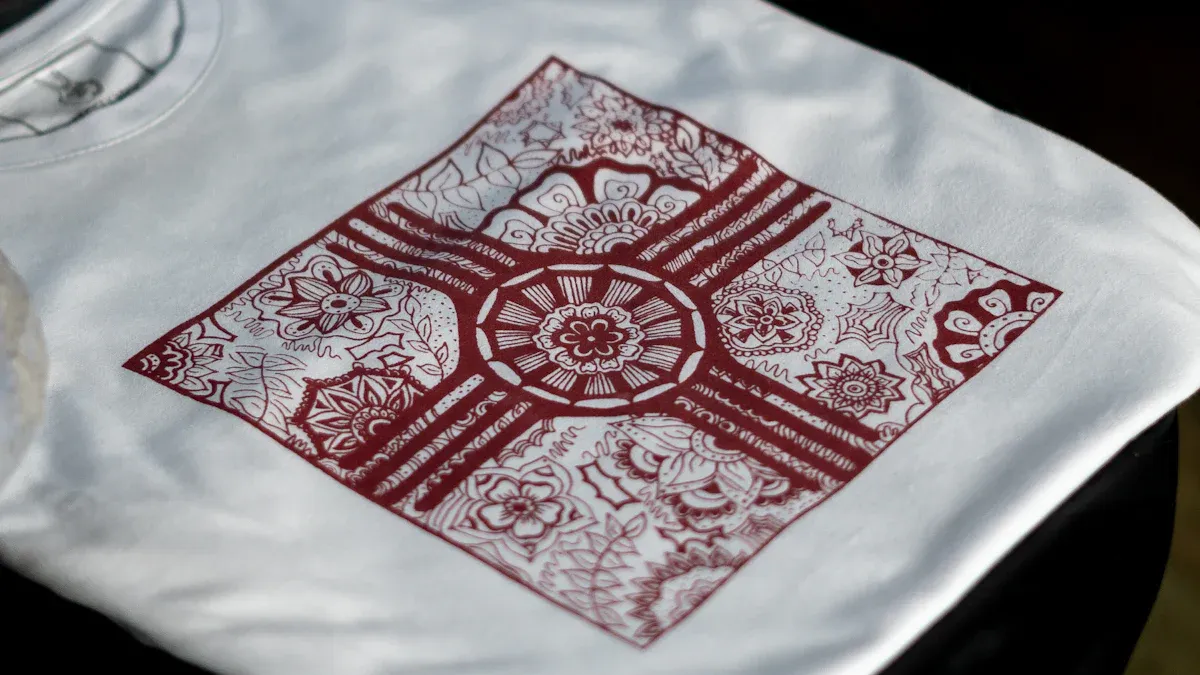
Print quality is a primary concern for any creator. The xTool DTF system produces results that justify the multi-step process. The final transfers are professional-grade, rivaling screen-printed apparel in appearance and setting a high standard for home-based production.
Vibrancy and Detail
The xTool film and powder combination excels at creating vibrant, sharp designs. The film demonstrates an excellent ink absorption rate, preventing colors from bleeding and preserving intricate details. A visual inspection of finished transfers reveals a smooth surface free of common flaws like scratches or wrinkles. This capability allows creators to confidently produce complex graphics with crisp lines and saturated colors. Key performance indicators for quality include:
- Ink Absorption: Prevents bleeding for sharp lines.
- Visual Clarity: Ensures a flat, flawless transfer surface.
- Adhesion Strength: Guarantees the ink layer remains intact.
Feel and Texture on Garments
A common drawback of heat transfers is a thick, plastic-like feel. The xTool DTF transfer, however, offers a surprisingly soft and flexible texture on the garment. While it is not as seamless as sublimation, the transfer feels lightweight and integrates well with the fabric. It avoids the heavy, stiff feeling associated with lower-quality vinyl or transfer papers. This superior feel makes the final product more comfortable and professional, a crucial factor for anyone selling custom apparel.
Color Accuracy
The xTool system demonstrates strong performance in color reproduction. It supports a wide color gamut, allowing it to replicate designs with impressive accuracy. The white ink base provides excellent film opacity, ensuring colors appear bright and true even on dark-colored fabrics. Creators find that the on-screen colors translate well to the final garment, which is essential for brand consistency and customer satisfaction. This reliability makes it a contender for the best dtf powder and film for small businesses needing predictable, high-quality results.
Durability: Is It Worth the Cost?
Durability directly impacts the return on investment for any custom apparel creator. A print that fades, cracks, or peels after a few washes reflects poorly on a brand and leads to costly remakes. The xTool DTF system was rigorously tested to evaluate its performance over time, justifying its position as a professional-grade solution.
Wash Test Results
The xTool DTF transfers demonstrate excellent wash resistance. Independent tests show the prints can endure over 50 wash cycles with minimal color loss, often less than 5%. This level of performance ensures that garments remain vibrant and sellable long after production. The results align with established industry benchmarks for quality.
Textile Industry Standards (AATCC) Professional testing evaluates several factors to ensure quality, including:
- Colorfastness to Washing: Measures color retention after laundering.
- Colorfastness to Crocking: Assesses color transfer from rubbing.
- Colorfastness to Perspiration: Checks stability against sweat. A high rating (4-5) in these tests indicates superior durability.
Stretch and Wear Test
Beyond washing, a transfer must handle the physical stress of daily wear. The xTool DTF prints maintain their integrity when stretched up to 30% without cracking. This impressive flexibility is crucial for designs on stretchy fabrics like athletic wear or cotton blends. The design moves with the garment, preventing the stiff, brittle feel that can lead to damage and ensuring a comfortable, high-quality product.
Long-Term Value
The combination of wash and stretch resistance creates significant long-term value. For a small business, this reliability is a key factor when choosing the best dtf powder and film. Creators can sell products confidently, knowing the designs will not degrade quickly. This durability builds brand reputation and minimizes customer complaints, making the initial investment in quality materials a wise financial decision.
The Investment: Is It Right for Your Goals?
Analyzing the financial commitment is essential before investing in any new technology. The xTool DTF system requires an upfront purchase of equipment and an ongoing expenditure on consumables. A creator must evaluate these costs against their personal or business objectives to determine if the system is a worthwhile venture. The answer depends heavily on production volume, profit goals, and the desired level of quality.
Cost Per Print Breakdown
Calculating the cost per print provides a clear picture of the system's operational expenses. This calculation involves the price of DTF film, powder, and ink. The following breakdown estimates the cost for a single A4-sized (8.3" x 11.7") transfer, which is a common size for t-shirt designs.
Note: These figures are estimates. Actual costs will vary based on supplier pricing, purchase volume (bulk discounts), and the specific ink coverage of each design.
| Consumable | Estimated Cost per A4 Sheet | Assumptions |
|---|---|---|
| DTF Film | $1.00 - $1.50 | Based on a 100-sheet pack. |
| DTF Powder | $0.20 - $0.40 | Based on 1kg of powder covering ~200 A4 sheets. |
| DTF Ink | $0.75 - $1.25 | Varies significantly with color density and design. |
| Total Estimated Cost | $1.95 - $3.15 | Per A4-sized transfer. |
This cost-per-print is higher than sublimation on polyester but competitive with high-quality heat transfer vinyl (HTV) for multi-color designs. The primary advantage is the ability to produce full-color, detailed graphics without the tedious layering required by HTV.
For the Hobbyist
A hobbyist evaluates an investment based on creative potential and personal satisfaction rather than profit. The xTool DTF system presents a significant initial expense for someone not selling their creations. However, for the dedicated crafter, the benefits can outweigh the costs.
- Unmatched Versatility: The system empowers creators to print on nearly any fabric, from cotton t-shirts to canvas bags and denim jackets. This opens up a world of creative possibilities beyond the limitations of sublimation.
- Professional Quality: Hobbyists can achieve results that rival commercial products. This level of quality brings a deep sense of accomplishment and allows for the creation of truly impressive personal projects and gifts.
- High Upfront Cost: The initial purchase of the printer, film, powder, and ink is substantial. A casual crafter may find this barrier too high.
- Learning Curve: The multi-step process requires dedication to master. It is not a plug-and-play solution for occasional use.
For the serious hobbyist who frequently creates custom apparel and values premium quality, the xTool DTF system is a powerful tool that unlocks unparalleled creative freedom. It is an investment in the quality of their craft.
For the Small Business
A small business owner must analyze the xTool DTF system through the lens of profitability and return on investment (ROI). The durability and print quality discussed earlier are foundational to building a reputable brand. The cost per print becomes a key variable in determining pricing strategy and profit margins.
A business can confidently price a custom t-shirt made with an xTool DTF transfer between $25 and $35, depending on the garment quality and design complexity. With a consumable cost of around $3 per print, plus the cost of the blank shirt (typically $3-$5), the total cost of goods is approximately $6-$8. This leaves a healthy gross profit margin of $17-$29 per shirt.
Business Tip 💡 To maximize profitability, a business owner should factor in labor, electricity, and equipment depreciation when setting final prices. Offering tiered pricing for bulk orders can also attract larger clients and increase overall revenue.
The system's ability to produce one-off custom orders or small batches without significant setup time makes it ideal for the modern e-commerce model. A small business can offer a wide range of designs on various products with minimal inventory risk. This flexibility, combined with professional-grade output, positions the xTool DTF system as a strong asset for scaling a custom apparel business.
The Workflow: Is It Worth Your Time?
A system's value depends on its workflow efficiency. The xTool DTF process involves multiple steps, from printing and powdering to curing and pressing. Understanding the time and effort required is essential for any creator considering this investment. The process demands more attention than single-step methods but offers significant rewards in quality and versatility.
Ease of Use and Learning Curve
The xTool DTF system has a moderate learning curve. While not a simple plug-and-play device, the setup is logical and well-documented. A new user can expect to get the system operational relatively quickly. The initial time investment breaks down into manageable steps.
- Printer Unboxing & Setup: Approximately 20 minutes.
- Powder Shaker Setup: Approximately 20 minutes.
- Initial Software & Print Prep: Approximately 10 minutes.
Mastering the powder application and curing process requires some practice. However, most creators achieve consistent, successful prints after a few attempts. The workflow becomes routine with experience.
Time Commitment Per Shirt
Once the system is operational, the time to produce a single shirt is highly efficient. A creator can take a design from a digital file to a finished, wearable garment in about 10 minutes. This includes printing the film, applying the powder, curing the transfer, and pressing it onto the shirt. This speed is a major advantage for producing complex, multi-color designs, which would take significantly longer using layered heat transfer vinyl.
Cleanup and Maintenance
Proper maintenance is critical for the longevity and performance of any DTF system. The primary cleanup task involves managing the adhesive powder. Users must contain the powder to avoid a messy workspace.
Maintenance Checklist ✍️ Regular tasks include shaking the ink cartridges daily to prevent pigment settling, performing nozzle checks before a print session, and cleaning key components like the printhead capping station.
These maintenance steps are not difficult but are non-negotiable for professional results. They protect the equipment investment and ensure every print is as good as the first.
Is This the Best DTF Powder and Film for You?
Determining if the xTool system is the right choice requires a direct comparison with other popular methods and a clear understanding of who benefits most from its features. The answer depends on a creator's priorities regarding quality, cost, and workflow.
Comparing to Other Methods
When evaluating the best dtf powder and film, creators often compare it to heat transfer vinyl (HTV). The xTool DTF system generally offers superior results in key areas.
| Feature | xTool DTF | Heat Transfer Vinyl (HTV) |
|---|---|---|
| Print Quality | High (1440 dpi) | Medium |
| Durability | Excellent (50+ washes) | Good |
| Cost per Print | Low-Medium ($0.50-2.50) | Medium-High ($2-5) |
| Hand Feel | Medium (softer than vinyl) | Stiffer |
DTF provides higher resolution and greater durability for a competitive or lower cost per print, especially for multi-color designs.
The xTool Ecosystem Advantage
xTool supports its users with a comprehensive service network that extends beyond the initial purchase. This ecosystem adds significant value and peace of mind for creators investing in the technology.
Support Spotlight 💡 xTool offers robust support options, including an optional xTool Care extended warranty for parts and labor. Users also gain access to the xTool Squad for expert insights, pre-sale demos, personalized machine training, and 24/7 online technical support.
This level of assistance helps users overcome challenges and maximize their machine's potential.
Who It's For and Who It's Not For
Ultimately, the decision to invest comes down to specific needs and goals. The system is not a one-size-fits-all solution.
- Who It's For: The xTool system is ideal for small businesses and serious hobbyists who prioritize professional-grade quality, durability, and versatility. These users will find it is the best dtf powder and film for producing premium custom apparel.
- Who It's Not For: It is less suitable for casual crafters on a tight budget. Users should be aware of potential drawbacks, such as the reliance on more expensive proprietary film and the need for a costly air purifier. Those requiring on-site technical support may also find the online-focused service model insufficient for their needs.
The xTool DTF system excels in quality and durability, justifying the investment for serious apparel creators. Small businesses and dedicated crafters find it ideal for professional, versatile results. The system is not for casual users on a tight budget or those needing a simple, single-step process.
Final Verdict: A strong "buy" for users prioritizing quality and durability for a small business or serious hobby. 🏆
FAQ
What kind of printer does the xTool DTF system require?
The system needs a dedicated DTF printer. Standard desktop inkjet or laser printers are not compatible with the DTF film and ink process.
Can you use other brands of powder and film with xTool?
xTool recommends its own consumables for the best results. Using third-party materials can lead to poor print quality and may void the equipment warranty.
Is an air purifier really necessary for the DTF process?
Yes, an air purifier is essential for safety. The powder curing stage produces fumes that require proper ventilation and filtration to maintain a safe workspace.