Best Vegan Gelatin Alternatives for Guilt-Free Treats in 2026
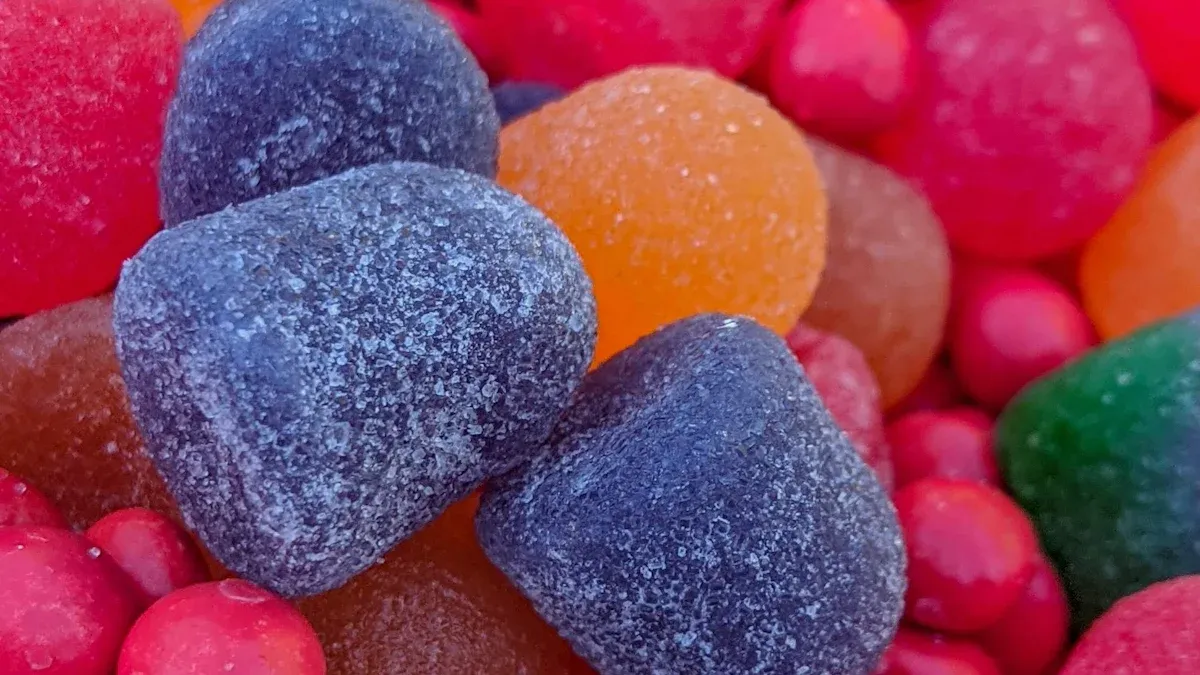
You might notice more people picking vegan options for their desserts lately. Many now choose plant-based ingredients like agar powder or gelatin instead of animal-based products. This shift comes from growing interest in healthy, natural foods. People also want to support the planet and care about animal welfare.
- More people want clean label ingredients.
- Health-focused shoppers look for fiber-rich choices.
- Food makers use more vegan alternatives in new products.
Key Takeaways
- Agar powder is a top choice for firm desserts like jellies and gummies. It sets quickly at room temperature and is plant-based.
- Pectin works best for jams and vegan gummies. It creates a stable gel when mixed with sugar and acid, making it perfect for fruit preserves.
- Chia seeds are versatile and nutritious. They can be used in puddings and as an egg replacer, adding fiber and omega-3s to your recipes.
Agar Powder or Gelatin
Best for
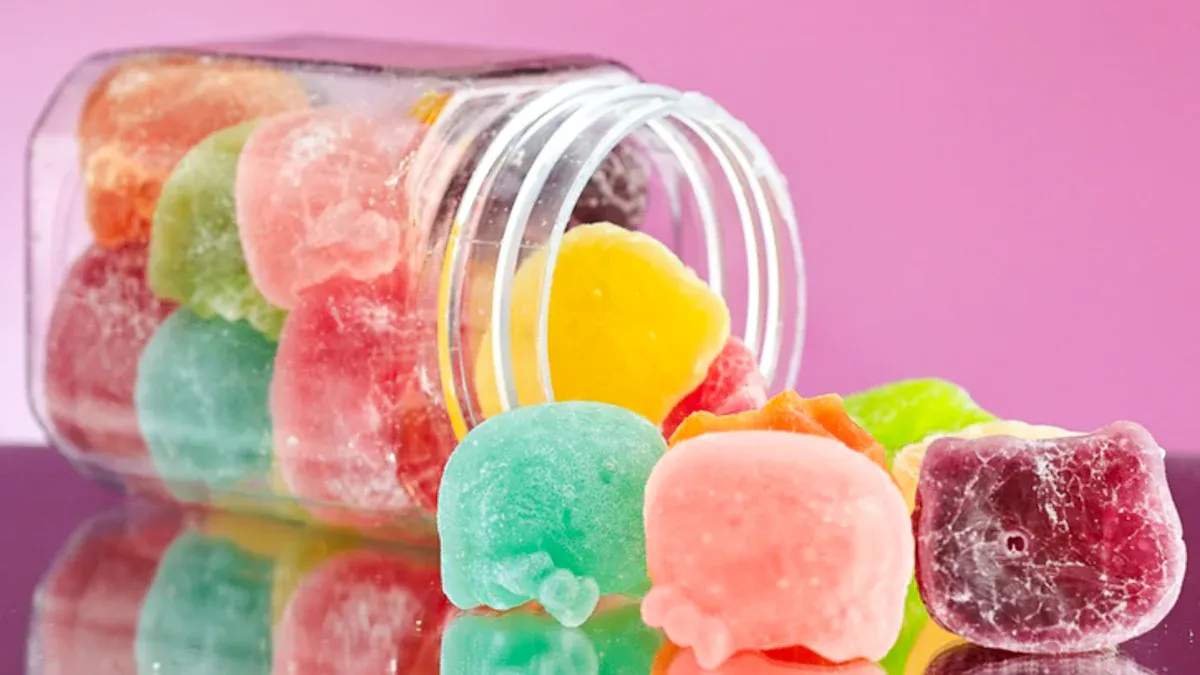
You want a vegan substitute that works in jellies, fruit snacks, or even gummy candies. Agar powder or gelatin gives you a firm set, so it’s perfect for layered desserts, fruit molds, and even some cheesecakes. If you love making treats that hold their shape, this is your go-to choice.
Strength
Agar powder or gelatin sets much firmer than animal-based gelatin. You get a gel that feels more solid and less wobbly. Here’s a quick look at how they compare:
| Property | Agar Powder | Animal-based Gelatin |
|---|---|---|
| Origin | Plant-based | Animal-based |
| Setting Temperatures | Sets at higher temperatures | Sets at cooler temperatures |
| Texture | Firmer, more brittle gel | Soft, melt-in-your-mouth texture |
| Activation Method | Needs to be boiled in liquid | Dissolves in warm water |
| Versatility | Great for firmer gels | Flexible for creamy and soft desserts |
How to Use
You only need a small amount. Mix agar powder or gelatin into your liquid, then bring it to a boil. Stir well, pour into molds, and let it cool. It sets at room temperature, so you don’t need a fridge unless you want a cold treat.
Pro Tips
- Use about 1 teaspoon of agar powder for every cup of liquid.
- Don’t overcook, or your gel may turn rubbery.
- Agar powder or gelatin works best with acidic fruits if you add a little extra.
- If you want a softer texture, use less powder.
Note: Agar is low in fat and cholesterol, but high in fiber, calcium, and iron. It’s a smart choice if you want a healthy dessert.
Pectin
Best for
You want to make jams, jellies, or vegan gummies? Pectin is your best friend. This plant-based ingredient works wonders in fruit preserves and spreads. You can also use it for vegan candies and even some fruit-based desserts. Pectin creates a stable gel when you mix it with sugar and acid, so your treats hold together nicely.
- Pectin is perfect for jams, jellies, and vegan gummies.
- It’s a great choice if you want a dessert that stays firm at room temperature.
- Many people use pectin for its heat stability and reliable results.
Strength
Pectin forms a gel that feels softer and less elastic than agar powder or gelatin. You get a firmer consistency than animal-based gelatin, but it won’t bounce or jiggle as much. Once pectin sets, it won’t melt if you heat it again. That means your desserts stay solid, even on a warm day.
| Feature | Pectin | Gelatin |
|---|---|---|
| Source | Plant-based | Animal-derived |
| Gelling Capability | Stable with sugar and acids | Elastic and bouncy |
| Texture | Softer, less elastic | Bouncier, clearer |
| Common Uses | Jams, jellies, vegan gummies | Marshmallows, panna cotta |
| Dietary Compliance | Vegan-friendly | Not vegan |
How to Use
You just sprinkle pectin into your fruit mixture, add sugar and a little acid like lemon juice, then bring it to a boil. Stir well and pour into jars or molds. Pectin sets as it cools, so you don’t need to refrigerate unless you want a chilled treat.
Tip: Always follow the recipe’s instructions for the right amount of sugar and acid. Pectin needs both to set properly.
Pro Tips
- Choose high-methoxyl pectin for classic jams and jellies.
- For low-sugar recipes, look for low-methoxyl pectin.
- Pectin is 100% plant-based and allergen-friendly.
- It’s high in soluble fiber and supports gut health.
- You get a dessert that’s stable, even if you leave it out for a picnic.
Carrageenan
Best for
You want a vegan thickener that works in more than just desserts? Carrageenan steps up for you. It shines in creamy puddings and jellies, but you can also use it in other foods. Here are some ways you might use carrageenan:
- Make smooth jellies and puddings.
- Thicken salad dressings for a rich texture.
- Add it to plant-based milk to help it last longer.
Carrageenan gives you a silky finish that feels different from agar powder or gelatin. You get a treat that holds together but still feels soft and creamy.
Strength
Carrageenan forms a soft, smooth gel. It doesn’t set as firmly as agar powder or gelatin, so your desserts will feel more delicate. You can slice through a carrageenan pudding with a spoon, and it melts in your mouth. This makes it perfect for creamy treats.
Note: Carrageenan has been used in food for over 600 years. Most food safety groups, like the FDA and EFSA, approve it. Some groups worry about digestive issues, so you may want to try a small amount first.
| Authority | Status |
|---|---|
| EFSA | Approved |
| JECFA | Approved |
| FDA | Approved |
| NOSB | Not allowed in organic foods |
How to Use
You can use carrageenan just like other vegan thickeners. Sprinkle it into your liquid, heat it up, and stir until it dissolves. Pour the mixture into molds or bowls and let it cool. Your dessert will set as it comes to room temperature.
- Use about 1/2 teaspoon per cup of liquid for a soft gel.
- For a firmer set, add a little more.
Pro Tips
- Try carrageenan in recipes with plant-based milk for a creamy texture.
- If you want a firmer dessert, combine it with a little agar powder or gelatin.
- Some people may feel tummy discomfort, so start with a small serving.
- Carrageenan is not allowed in organic foods in the U.S., so check your labels if you want organic treats.
Tip: Always dissolve carrageenan fully to avoid lumps in your dessert.
Konjac (Glucomannan)
Best for
You want a vegan gelatin alternative that works in jellies, puddings, and even savory dishes. Konjac, also called glucomannan, gives you a smooth, jelly-like texture. It’s perfect for making fruit gels, vegan gummies, and even plant-based noodles. If you follow a low-carb or gluten-free diet, konjac fits right in. You can use it when you want a dessert that feels light but still holds its shape.
- Great for vegan jellies and gummies
- Works in low-carb and keto recipes
- Safe for gluten-sensitive eaters
Strength
Konjac stands out for its strong gelling power. You get a firmer set than with many other vegan options. When you compare konjac to agar powder or gelatin, konjac creates a gel that feels more elastic and less brittle. Here’s a quick look at how the gel strength changes with more konjac:
| KGM Concentration (%) | Gel Strength (Pa∙sn) |
|---|---|
| 0 | 82.5 |
| 8.0 | 5537.6 |
You can see that even a small amount of konjac makes a big difference in firmness.
How to Use
You only need a little konjac powder to get a strong gel. Sprinkle it into your liquid, then heat and stir until it dissolves. Pour the mixture into molds and let it cool. Your dessert will set quickly at room temperature. If you want a softer gel, just use less powder.
Tip: Combine konjac with xanthan gum for an even stronger, more flexible gel.
Pro Tips
- Konjac is high in fiber, so it helps you feel full and supports gut health.
- It’s low in carbs and calories, making it great for weight management.
- This powder is gluten-free and easy to use in quick recipes.
- Some people use konjac to help lower cholesterol and stabilize blood sugar.
- Try it in both sweet and savory dishes for extra variety.
Chia Seeds
Best for
You want a vegan thickener that’s easy to use and packed with nutrition? Chia seeds are your answer. You can use them in so many ways. They work great in puddings, overnight oats, and even as a base for chia jello. You can swap them in for eggs in baking, or use them to bind vegan fishcakes. Chia seeds also shine in fruit-based desserts and smoothies.
- Make chia pudding for a creamy breakfast or snack.
- Try chia jello for a fun, jelly-like treat.
- Use chia seeds as an egg replacer in baking.
- Add them to vegan gummies or energy bites.
Strength
Chia seeds create a gel when you soak them in water or plant-based milk. The gel feels soft and a bit wobbly. It’s not as firm as traditional gelatin. If you want a dessert that holds its shape well, chia seeds give you a gentle set. You’ll notice the gel forms slowly. It can take up to 15 hours to reach the right texture. The gel is less stable and more delicate than gelatin, but it works well for creamy or spoonable treats.
Note: Chia seed gel has a unique, slightly grainy texture. It’s different from the smoothness of gelatin.
How to Use
You only need two ingredients: chia seeds and liquid. Mix 1 tablespoon of chia seeds with 3 tablespoons of water or plant-based milk. Stir well and let it sit. The seeds will soak up the liquid and form a gel. For best results, let the mixture rest in the fridge overnight. You can add sweeteners, fruit, or spices for extra flavor.
- Use chia gel as a base for pudding or jello.
- Replace one egg with one tablespoon of chia seeds mixed with three tablespoons of water.
Pro Tips
- Stir the mixture a few times in the first 10 minutes to prevent clumping.
- Try different liquids, like almond milk or fruit juice, for new flavors.
- Chia seeds add fiber, omega-3s, and protein to your treats.
- If you want a smoother texture, blend the gel before using it in recipes.
- Chia seeds work best in recipes where a soft, spoonable texture is okay.
Flaxseed Gel
Best for
You want a vegan binder that works in baking and desserts? Flaxseed gel is a top pick. You can use it in cookies, muffins, pancakes, and even some puddings. Many bakers call it a “flax egg” because it replaces eggs in vegan recipes. If you like chewy brownies or moist cakes, flaxseed gel helps hold everything together.
- Flaxseed gel is affordable and easy to make at home.
- You only need ground flax seeds and water.
- It adds fiber and omega-3s to your treats.
- The mild, nutty flavor blends well and doesn’t overpower your recipe.
- You can whip up a flax egg in just a few minutes.
Strength
Flaxseed gel forms a thick, sticky mixture that binds ingredients well. It doesn’t set as firm as agar or konjac, but it gives structure and moisture to baked goods. You get a chewy, soft texture instead of a wobbly or firm gel. This makes it perfect for recipes where you want a little bounce and moisture.
| Study Title | Key Findings |
|---|---|
| Application of Chia and Flaxseed Meal as an Ingredient of Fermented Vegetable-Based Spreads | Flaxseed mucilage has high water-binding capacity and can form a viscous gel, making it effective in achieving desired consistency in vegan recipes. |
| Evaluation of Plant-Based Egg Substitutes in Vegan Muffins | Flaxseed gel is created by hydrating ground flaxseeds, demonstrating its role as a binding agent in vegan baking. |
| FlaxQuaEgg (Baking/Meringue) | Flaxseed gel acts as an excellent binder, ensuring proper structure and moisture in egg-free baking. |
How to Use
You can make flaxseed gel in minutes. Mix 1 tablespoon of ground flax seeds with 3 tablespoons of water. Stir and let it sit for 5 to 10 minutes. The mixture thickens and turns into a gel. Add it to your batter or dough just like you would add an egg.
Tip: For a smoother texture, use finely ground flax seeds.
Pro Tips
- Store ground flax seeds in the fridge to keep them fresh.
- Use flaxseed gel in recipes where you want extra fiber and healthy fats.
- Try it in pancakes, muffins, or even vegan burgers.
- If you want a lighter color, use golden flax seeds.
- Flaxseed gel works best in recipes that need binding, not firm setting.
Cornstarch
Best for
You want a vegan thickener that’s easy to find and budget-friendly? Cornstarch is your kitchen staple. You can use it to thicken puddings, custards, pie fillings, and sauces. It works well in recipes where you want a creamy, smooth texture. If you love making stovetop desserts or need a quick fix for runny mixtures, cornstarch steps in fast.
- Great for creamy puddings and custards
- Perfect for fruit pie fillings
- Handy for thickening sauces and gravies
Strength
Cornstarch creates a soft, opaque gel. It sets when you heat it with liquid, but it doesn’t get as firm as agar or konjac. You’ll notice that cornstarch needs a higher temperature to thicken. It’s not the best choice for jellies that need to hold their shape for a long time. If you freeze a dessert with cornstarch, it may turn watery when you thaw it. Cornstarch also doesn’t work as well in acidic recipes, like lemon pie, compared to agar-agar or pectin.
Note: Cornstarch gives you a creamy texture, but not a bouncy or firm gel.
How to Use
You only need a few steps. Mix cornstarch with a little cold water to make a slurry. Pour it into your hot liquid while stirring. Keep stirring until the mixture thickens and turns glossy. Remove from heat and let it cool. Your dessert will set as it stands.
- Use about 1 tablespoon of cornstarch for every cup of liquid.
- For a thicker result, add a bit more.
Pro Tips
- Always mix cornstarch with cold water first to avoid lumps.
- Don’t freeze desserts made with cornstarch—they may weep or separate.
- For a smoother finish, strain your mixture before chilling.
- Cornstarch works best in recipes you serve fresh or chilled, not frozen.
- If you want a firmer set, try combining cornstarch with another vegan gelling agent.
Tips for Success
Choosing the Right Alternative
You want your dessert to turn out just right, so picking the best vegan gelatin substitute matters. Think about these things before you start:
- Dietary preferences: Make sure your guests eat vegan or vegetarian.
- Desired texture: Some alternatives give you a soft, bouncy feel, while others set firm.
- Serving conditions: Will your treat sit out at room temperature or chill in the fridge?
- Specific recipe requirements: Match the gelling agent to the dessert you plan to make.
If you need a firm set for layered treats, agar powder or gelatin works well. For softer, spoonable desserts, try chia seeds or flaxseed gel.
Adjusting Recipes
Switching from animal-based gelatin to plant-based options takes a few tweaks. Follow these steps for the best results:
- Avoid direct 1:1 substitution. Plant-based gelling agents have different strengths and setting times.
- Use recipes made for your chosen gelling agent. This helps you get the right texture.
- Measure carefully. Even a small change can affect how your dessert sets.
- Mind heat and timing. Some gelling agents need simmering or boiling to activate.
Tip: Always read the instructions on the package. Each alternative works a little differently.
Texture and Setting Tips
Different vegan gelatin alternatives change how your dessert feels and sets. Check out this table to see how pectin and gelatin compare:
| Factor | Pectin | Gelatin |
|---|---|---|
| Set Time | 30 mins-2 hrs | 4-6 hrs |
| Cooling Needed | No (room temp) | Yes (refrigeration required) |
| Energy Costs | 20-30% lower | Higher |
| Line Speed | Faster | Slower |
| Rework | Can’t remelt | Can remelt |
| Process Tolerance | Narrow | Forgiving |
You get a faster set with pectin, but gelatin lets you rework your dessert if needed. Always check how your chosen alternative affects the final texture.
Quick-Reference Guide
Best Alternative for Each Treat
You might wonder which vegan gelatin substitute works best for your favorite desserts. Here’s a quick list to help you choose:
- Jellies & Marshmallows: Agar powder or gelatin gives you a strong, sliceable set. You can use it for fruit jellies, puddings, and even marshmallows. It comes from red seaweed and sets at room temperature. You only need one teaspoon to set a cup of liquid.
- Jams & Gummies: Pectin works well for jams, jellies, and vegan gummies. It creates a soft, stable gel and holds up at room temperature.
- Creamy Puddings: Carrageenan makes puddings smooth and silky. You get a soft gel that melts in your mouth.
- Egg-Free Baking: Flaxseed gel and chia seeds help bind cookies, muffins, and pancakes. They add fiber and moisture.
- Pie Fillings & Custards: Cornstarch thickens pie fillings and custards. It gives you a creamy texture.
Tip: If your recipe needs a firmer set, try agar powder or gelatin. For softer, spoonable treats, chia seeds or flaxseed gel work best.
Comparison Table
Here’s a handy table to compare the top vegan gelatin alternatives:
| Alternative | Best For | Texture | Setting Method | Special Notes |
|---|---|---|---|---|
| Agar powder or gelatin | Jellies, puddings, marshmallows | Firm, sliceable | Heat to dissolve, sets at room temp | Strong gelling power |
| Pectin | Jams, gummies | Soft, stable | Boil with sugar/acid | Needs sugar and acid |
| Carrageenan | Puddings, jellies | Silky, soft | Heat to dissolve | Not allowed in organic foods |
| Konjac | Gummies, noodles | Elastic, firm | Heat to dissolve | High fiber, gluten-free |
| Chia seeds | Puddings, egg replacer | Soft, grainy | Soak in liquid | Adds omega-3s and fiber |
| Flaxseed gel | Baking, egg replacer | Chewy, moist | Mix with water | Nutty flavor, binds well |
| Cornstarch | Custards, pie fillings | Creamy, soft | Heat with liquid | Not for firm gels |
You can make guilt-free treats that taste amazing with vegan gelatin alternatives. People love these options because they fit many diets, support animal welfare, and use clean-label ingredients.
- They work for vegetarians and vegans
- They help you eat healthier
Tip: Always check labels for hidden animal products before you buy.
FAQ
Can you swap vegan gelatin for regular gelatin in any recipe?
You can, but you need to adjust the amount. Always check the package directions for the best results.
Which vegan gelatin alternative sets the fastest?
Agar powder sets quickly at room temperature. You don’t need to wait hours for your dessert to firm up.
Do vegan gelatin substitutes taste different?
Most have a neutral taste. Chia and flaxseed add a mild, nutty flavor. You can mask it with fruit or chocolate.
See Also
Comparing Bovine Gelatin Powder With Fish And Pork Varieties
10 Creative Methods To Incorporate Bovine Gelatin Powder
The Production Process And Ingredients Of Edible Gelatin
Reasons Bovine Gelatin Powder Is An Effective Health Supplement