Key Updates in Bearing Box Freight Classification
Key updates in bearing box freight classification standards for 2025 introduce a 13-level density scale, placing safety and compliance at the forefront. Safety regulations 2025 demand immediate attention from companies. These updates impact shipping procedures and operational costs, urging SHPHE to align with new regulations for optimal safety and accurate freight pricing.
2025 Bearing Box Standards and Safety Regulations Updates
New Freight Classification Standards and Regulatory Changes
Key updates in 2025 introduce significant changes to bearing box freight classification. The new standards implement a 13-level density scale, which streamlines the classification process and enhances operational efficiency. These updates focus on accuracy and fairness in shipping costs. Denser shipments receive lower rates, while less dense shipments face higher costs. This shift encourages companies to optimize packaging and logistics.
The rationale behind these updates centers on improving transparency and consistency in freight pricing. The standards now require clear documentation and labeling for all bearing box shipments. Companies must follow strict protocols to ensure compliance with safety regulations 2025. These protocols include regular inspections and adherence to hazardous material handling requirements.
Safety regulations 2025 emphasize workplace safety and equipment fit. All equipment must suit the body shapes of workers, reducing misuse and injuries. Inspections occur more frequently, ensuring that companies meet the latest safety standards. Enhanced protections for heat-related illness prevention also play a role, especially in hazardous environments where bearing boxes are used.
Note: The adoption of eco-friendly materials and energy-efficient designs aligns with new environmental requirements. Companies must consider recycling and responsible disposal protocols to minimize environmental impact.
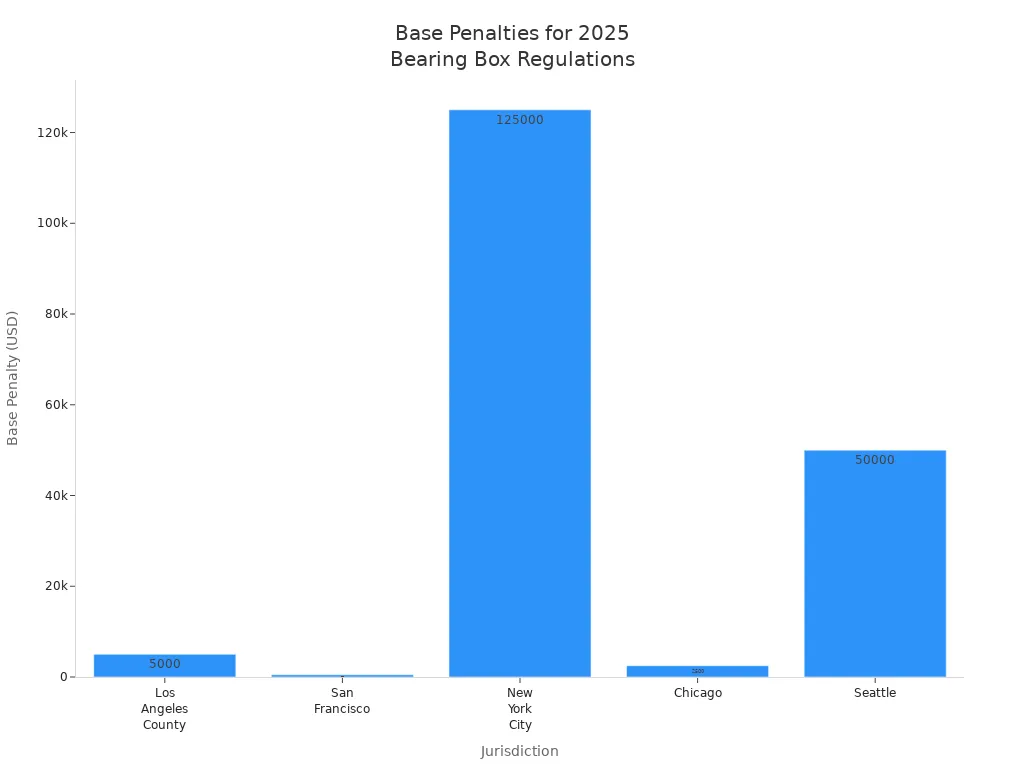
The table below outlines penalties for non-compliance with 2025 regulations in major US jurisdictions:
| Jurisdiction | Base Penalty | Progressive Increases | Civil Litigation | Class Action Risk |
|---|---|---|---|---|
| Los Angeles County | $5,000 | $10K (2nd), $20K (3rd+) | Authorized | High |
| San Francisco | $500/day | Cumulative daily | Authorized | High |
| New York City | $125,000 | Per violation | Authorized | Very High |
| Chicago | $2,500 | Up to $10,000 | Authorized | Medium |
| Seattle | $50,000 | Per violation | Authorized | High |
Major Differences from Previous Regulations and Impact on SHPHE Products
The 2025 standards differ from previous regulations in several key areas. The density-based classification replaces older weight-based systems, making freight pricing more precise. Companies must now document the density of each bearing box shipment, following updated protocols for hazardous materials and safety.
Safety regulations 2025 introduce new requirements for equipment fit and heat-related illness prevention. Workers must use equipment tailored to their body shapes, reducing the risk of injury. Inspections occur more often, and companies must maintain detailed records to demonstrate compliance with osha regulations and iso standards.
Environmental considerations have become more prominent. The use of eco-friendly materials, such as ceramics and polymers, supports sustainability goals. Energy-efficient designs reduce friction and energy consumption, while regular maintenance extends the lifespan of bearing boxes. Recycling programs and responsible disposal protocols help companies meet iso requirements and minimize hazardous waste.
Shanghai Heat Transfer Equipment Co., Ltd. (SHPHE) must adapt its plate heat exchangers and related products to align with these updates. The company already meets iso standards and osha requirements, but the new regulations require enhanced documentation and safety protocols. SHPHE's commitment to quality and innovation positions it well to comply with the latest standards and maintain leadership in the industry.
Tip: Companies should review their safety protocols and hazardous material handling procedures to ensure full compliance with safety regulations 2025. Regular training and audits can help identify gaps and improve workplace safety.
Adapting to 2025 Bearing Box Regulations and Updates
Compliance Checklist for Safety Regulations 2025
Companies must follow a detailed checklist to achieve compliance with safety regulations 2025. They should verify that all bearing box shipments meet the latest standards for density classification and hazardous material handling. Documentation must align with iso and osha requirements, including clear labeling and regular inspections. Safety protocols require frequent training sessions for employees to reinforce workplace safety and proper equipment fit. Teams should update hazardous waste disposal protocols and recycling programs to meet iso standards. Management must assign responsibility for monitoring safety alerts and maintaining compliance records. Regular audits help identify gaps in safety protocols and ensure adherence to osha regulations.
| Common Mistake | Description | Solution |
|---|---|---|
| Set It and Forget It Mentality | Management assumes the system will solve problems automatically. | Treat RCM as a program with a process owner and clear workflows. |
| Ignoring the Human Element | Technicians may distrust technology, fearing loss of expertise. | Involve the team early and present technology as a skill-enhancing tool. |
| Poor Integration Strategy | RCM data remains isolated, causing inefficiencies. | Plan integration from the start for seamless workflows. |
Implementation Strategies for SHPHE and Industry Best Practices
Shanghai Heat Transfer Equipment Co., Ltd. (SHPHE) can adapt to the new regulations by following proven industry strategies. Proactive planning helps identify which bearing box shipments face changes under the updated standards. Technology upgrades, such as dimensional scanners and pallet scales, support compliance with density requirements and hazardous material protocols. Collaboration with carriers allows SHPHE to assess the impact of updates and renegotiate agreements if needed. Team education remains essential; training sessions familiarize employees with new standards and safety protocols. Engagement with industry resources, including NMFTA sessions and logistics providers, ensures a smooth transition. Companies also benefit from exploring alternative shipping modes that simplify freight classification and hazardous material handling. These strategies help SHPHE maintain compliance with iso and osha requirements while prioritizing safety and operational efficiency.
Tip: Early investment in technology and regular team training can reduce compliance risks and improve workplace safety.
The 2025 updates in bearing box standards introduce new iso requirements, safety protocols, and hazardous material handling protocols. Companies must meet osha regulations and maintain strict safety requirements. Proactive compliance with iso and osha regulations builds trust and supports sustainable growth.
- Strong compliance practices enhance reputation and market presence.
- Integrating safety protocols and hazardous requirements into company culture drives innovation.
- NMFTA and NMFC updates help companies track changes and meet safety requirements for hazardous shipments.
FAQ
What are the main safety requirements for bearing box freight in 2025?
Companies must follow iso safety standards 2025 and osha protocols. Regular inspections and proper equipment fit help maintain safety during shipping and handling.
Tip: Frequent training sessions improve safety awareness among employees.
How do fire safety regulations 2025 affect plate heat exchanger shipments?
Fire safety regulations 2025 require clear labeling and documentation. SHPHE ensures all shipments meet osha and environmental compliance standards to minimize fire risks.
What steps help companies achieve environmental compliance with new regulations?
Companies implement recycling programs and responsible disposal protocols. These steps support environmental compliance and align with iso safety standards 2025.
| Compliance Step | Benefit |
|---|---|
| Recycling Programs | Reduces waste |
| Responsible Disposal | Meets regulations |