How Ballistic Gelatin Powder Mimics Human Tissue
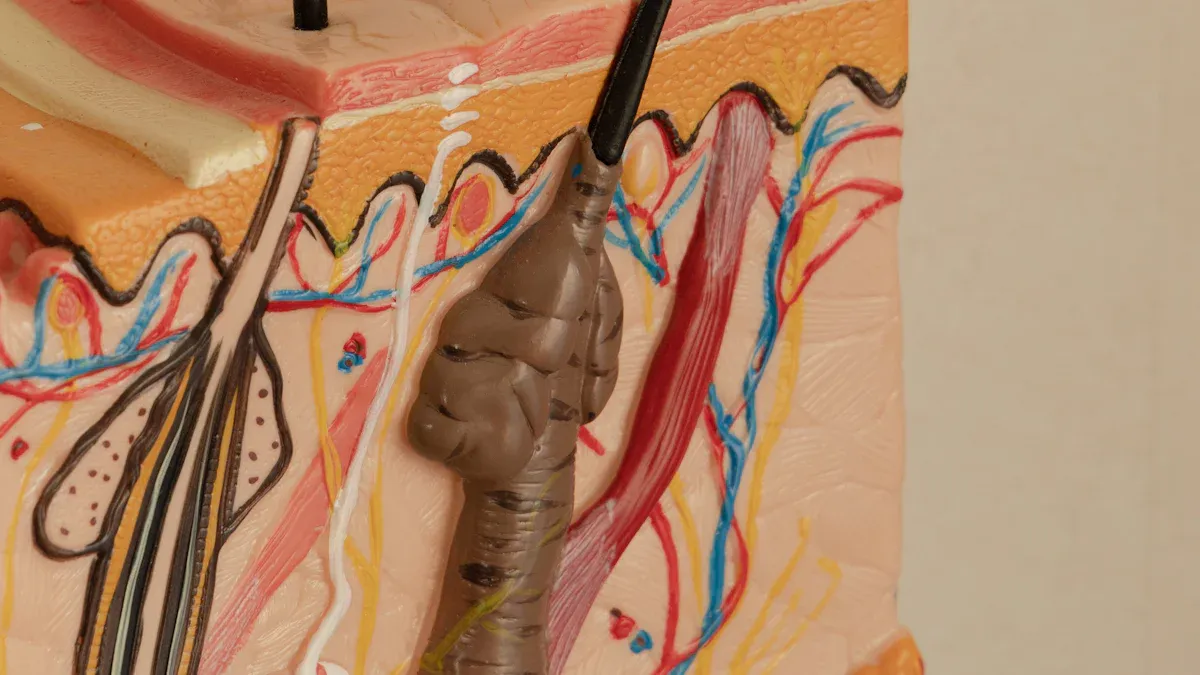
You can use ballistic gelatin powder to create a material that closely matches the density of human muscle tissue. Studies show that gelatin phantoms effectively mimic soft tissues in density.
- This similarity helps you evaluate bullet performance and wound profiles with reliable results.
Key Takeaways
- Ballistic gelatin powder closely mimics human muscle tissue, making it a reliable medium for testing bullet performance and wound profiles.
- To prepare ballistic gelatin, mix gelatin powder with water in a 9-to-1 weight ratio. This standard mixture helps achieve accurate results in ballistic tests.
- While ballistic gelatin is effective for simulating muscle, it cannot replicate the complexity of skin, bones, or organs. Always consider its limitations when interpreting test results.
Ballistic Gelatin Powder: Composition and Preparation

Ingredients and Standard Mixtures
You can create a realistic tissue simulant by using a precise blend of ingredients. The main components work together to match the density and texture of human tissue. Here is a table showing the typical proportions:
| Ingredient | Proportion |
|---|---|
| Cellulose scatter | 1% |
| Food-grade mineral oil | 1% |
| Ballistic gel | 98% |
- The cellulose scatter gives structure and helps mimic the way sound moves through tissue.
- Food-grade mineral oil helps you achieve the right consistency and texture.
- Ballistic gel makes up most of the mixture and controls how the material reacts to impact.
You will often see a standard mixture called a 10 percent gelatin mixture. To make this, you combine gelatin powder with water at a 9-to-1 weight ratio. This ratio helps you get results that match real tissue in ballistic tests.
Preparation Methods and Best Practices
You should follow careful steps to prepare ballistic gelatin powder for testing. Use purified water to keep the mixture clean and reduce the risk of microorganisms. Calibrate each batch to make sure it gives the right penetration results. Avoid extreme temperatures during preparation, as they can change the texture and accuracy.
After you prepare the gelatin, you need to store it properly. Add a preservative, such as Methyl 4-hydroxybenzoate, to stop microbes from growing. Store organic gelatin cold, and use it within 2 to 3 days. Synthetic gelatin lasts much longer and can be stored for years. Remember, each time you remelt or remold the gelatin, its performance may change. Also, think about the environment—ballistic gelatin testing can create a lot of waste and use a lot of water.
Physical and Chemical Properties of Ballistic Gelatin Powder
Comparison to Human Tissue
You can see that ballistic gelatin powder has physical properties that closely match human tissue. Scientists measure elasticity using Young's modulus. This tells you how much a material stretches when you apply force. Here are some facts about elasticity:
- The Young's modulus for skeletal muscle is about 24.6 kPa.
- Ballistic gelatin powder, when mixed correctly, shows stiffness between 20 and 29 kPa.
- This means you can prepare gelatin that stretches and bends almost like real muscle.
You also need to look at mechanical properties such as tensile strength and viscosity. These properties affect how the material reacts when you pull or push it. The table below compares ballistic gelatin powder to human tissue:
| Property | Ballistic Gelatin | Human Tissue (Approx.) |
|---|---|---|
| Tensile Strength | Higher gel strength and fracture toughness compared to bovine gelatin | Varies by tissue type, generally lower than gelatin |
| Viscosity | Non-Newtonian behavior observed, varies with shear rate | Generally Newtonian, varies with tissue type |
| Deformation Behavior | Non-linear elastic deformation with strain hardening | Elastic behavior, varies by tissue type |
You can see that gelatin behaves differently from real tissue in some ways. Gelatin stretches and hardens more than muscle. Human tissue usually stretches in a simpler way. Gelatin also flows differently when you apply force.
Ballistic gelatin powder matches the density and consistency of human muscle. You can use it to test bullets because it feels soft and pliable, like muscle. However, it does not have skin or bones. Real tissue contains many structures that gelatin cannot copy.
Tip: Always remember that gelatin is a good substitute for muscle, but it cannot show the effects on skin or bone.
Behavior Under Ballistic Impact
When you test bullets, you want to know how ballistic gelatin powder reacts compared to real tissue. Scientists have studied this by shooting bullets into both gelatin and animal muscle. The table below shows what they found:
| Study | Findings | Comparison to Gelatin |
|---|---|---|
| Fackler and Malinowski [22] | Difference in penetration depth between gelatin (10% by weight) and porcine muscle tissue is within 3%. | Similar trajectory observed in both gelatin and muscle tissue. |
| Breeze et al. [23] | Retardation effects of projectiles in pig skin and muscle compared to gelatin studies. | Comparable retardation behavior to gelatin (20% wt). |
| Jin et al. [24] | Temporary cavity in gelatin (10% wt) was 12% larger than in porcine muscle tissue. | Expansion time of cavity was 24% longer in gelatin. |
| Humphrey et al. [25] | Penetration behavior did not significantly differ for 10% and 20% gelatin at various velocities. | Indicates limitations of gelatin as a muscle tissue substitute. |
You can see that ballistic gelatin powder gives results close to real muscle tissue. The bullet path and depth are almost the same. Gelatin sometimes shows a bigger cavity and longer expansion time. This means that gelatin can exaggerate the wound channel compared to real tissue.
You should also compare features of gelatin and human tissue when testing bullets:
| Feature | Ballistic Gelatin | Human Tissue |
|---|---|---|
| Density | Closely simulates human muscle tissue | Varies by individual and location |
| Consistency | Similar to human muscle | Varies, but generally soft and pliable |
| Use in Testing | Standardized medium for bullet testing | Actual biological response to bullets |
| Anatomical Fidelity | Lacks structures like skin and bones | Contains all anatomical structures |
| Performance for Low Velocity | Limited effectiveness | Accurate response to low velocity |
You can trust ballistic gelatin powder for most bullet tests. It gives you a clear view of how bullets move and create wounds. However, you must remember that gelatin does not copy skin, bones, or organs. It works best for muscle simulation and high-velocity impacts.
Note: Ballistic gelatin powder helps you study bullet wounds safely and accurately, but you should always consider its limits.
Effectiveness of Ballistic Gelatin Powder in Testing
Simulating Bullet Wound Channels
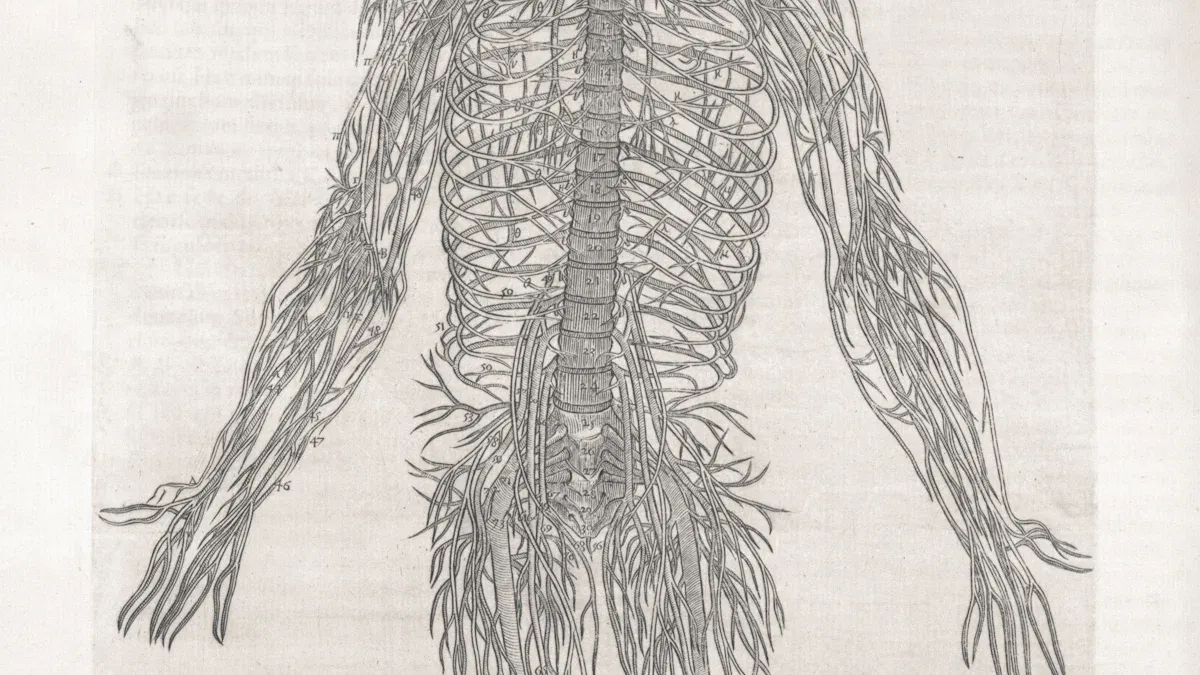
You can use ballistic gelatin powder to see how bullets create wound channels in soft tissue. When you fire a bullet into this material, you can measure the path, depth, and size of the wound channel. This helps you understand how ammunition might behave in a real body. Many scientists and professionals rely on these tests to predict injury patterns.
- Ballistic gelatin acts as a substitute for human soft tissue, but it does not copy the exact properties of real organs.
- Research shows that damage in animal organs, like those from pigs, can look different from damage in gelatin. This means you might not always get a perfect match between gelatin results and what happens in living tissue.
- Studies also show that no current simulant, including gelatin, can fully represent the complex structure of real organs.
You can use these tests to compare different types of bullets. You can see which ones penetrate deeper or create larger cavities. This information helps you choose the right ammunition for safety or performance. Remember, gelatin gives you a good idea of bullet behavior, but real-life results can change because every body is different.
Tip: Always check the limits of your test results. Ballistic gelatin powder gives you a close look at wound channels, but it cannot show the effects on bones or organs.
Use by Law Enforcement and Researchers
You will find that law enforcement agencies and researchers use ballistic gelatin powder for many important tasks. They want to know how bullets act when they hit soft tissue. This helps them solve crimes, improve safety, and design better ammunition.
- You can use ballistic gelatin in wound ballistics to measure how projectiles affect human tissue.
- You can study bullet behavior with gelatin, which helps forensic scientists learn more about shootings.
- The results from these tests help make ammunition safer and more effective. They also help doctors treat gunshot wounds better.
Ballistic gelatin powder testing gives you a standard way to check how ammunition works. You can measure how far a bullet goes and how much it expands. This helps you pick the best ammunition for your needs. You should remember that while gelatin gives a good estimate, real bodies can react in different ways. Factors like clothing, bone, and organ structure can change the outcome.
Note: Ballistic gelatin powder helps you learn about bullet wounds in a safe and repeatable way. You can use this knowledge to improve safety, solve crimes, and save lives.
Reliability and Limitations of Ballistic Gelatin Powder
Strengths as a Tissue Simulant
You can rely on ballistic gelatin powder for many reasons. It helps you understand how bullets behave when they hit soft tissue. Scientists and professionals use it because it offers several strengths:
- Ballistic gelatin closely mimics human muscle tissue. You see similar density, resistance, and elasticity.
- You can use it in forensic science and ballistics testing to study projectile impact.
- It gives you results that are accurate enough for most testing purposes.
Tip: Ballistic gelatin powder lets you test bullet effects safely and repeatably. You can trust it for muscle simulation, but remember it does not copy every tissue type.
Challenges and Differences from Real Tissue
You face some challenges when you use ballistic gelatin powder. It does not match real human tissue in every way. The table below shows important differences:
| Limitation/Characteristic | Ballistic Gelatin | Real Human Tissue |
|---|---|---|
| Mechanical Impedance | Low | Higher |
| Anatomical Complexity | Lacks complexity | High variability |
| Strain-Rate Dependence | Exhibits dependence | Exhibits dependence |
| Modified Testing Methods Required | Yes (to address impedance mismatch) | No (natural properties) |
You also deal with technical challenges during testing. The next table explains common problems:
| Challenge Description | Details |
|---|---|
| Complex material properties | You cannot fully understand soft tissue properties at high strain rates. |
| Large material deformation | You need advanced methods to model big changes in the gelatin. |
| Element distortion in simulations | Impact causes severe issues for mesh-based numerical methods. |
You should remember that ballistic gelatin powder works best for muscle simulation. It cannot show the effects on skin, bone, or organs. You must use special methods to address these limits. Real tissue has more complexity and higher mechanical impedance. You need to consider these differences when you interpret your test results.
You can trust ballistic gelatin powder for reliable ballistic testing. It matches industry standards for consistency and calibration. The table below shows how scientists compare materials for testing:
| Study Reference | Material Compared | Threshold Value (J/mm²) |
|---|---|---|
| 16 | Human Skin | 0.26 |
| 18 | Human Skin | 0.12 |
| 22 | Cowhide Leather | 0.14 |
- You get uniform results across brands and batches.
- Researchers and law enforcement use it to evaluate ammunition and wound profiles.
FAQ
What is the best way to store ballistic gelatin powder?
You should keep ballistic gelatin powder in a cool, dry place. Seal the container tightly. This helps prevent moisture and keeps the powder fresh.
Can you reuse ballistic gelatin after testing?
You can remelt and reuse ballistic gelatin once or twice. Each time you reuse it, the quality drops. For best results, use a fresh batch.
Does ballistic gelatin powder expire?
Yes, ballistic gelatin powder can expire. Check the expiration date on the package. Old powder may not mix well or give accurate results.
See Also
Comparing Bovine Gelatin Powder With Fish And Pork Varieties
Understanding The Composition And Production Of Bovine Gelatin
The Health Benefits That Make Bovine Gelatin A Supplement
The Production Process And Ingredients Of Edible Gelatin
Key Indicators Of High-Quality Bovine Gelatin Powder To Recognize