Automatic vs Semi-Automatic Tablet Tube Filling Machines Compared
Selecting the right Tablet Tube Filling Machine depends on production needs and business goals. Companies with high-volume output and a focus on efficiency often benefit from automatic models. Smaller operations or those requiring flexibility may find semi-automatic machines more suitable.
Consider these points:
- Automatic machines suit large-scale, continuous production.
- Semi-automatic machines fit lower volumes or frequent product changes.
Tablet Tube Filling Machine Types
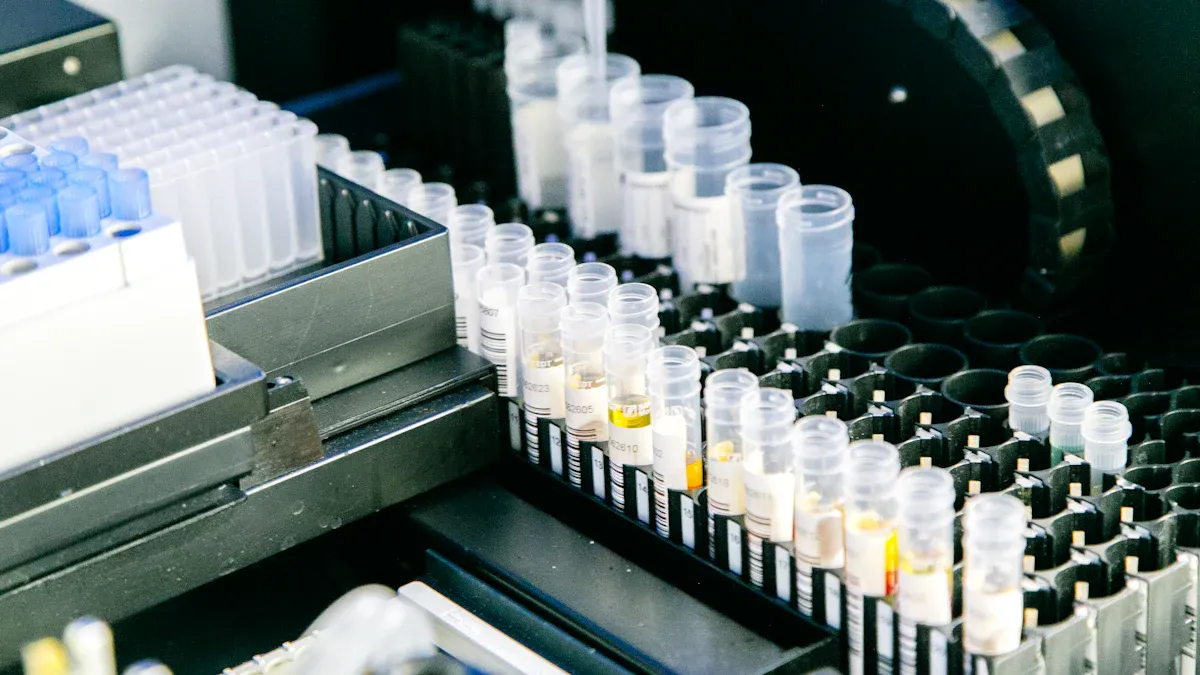
Automatic Tablet Tube Filling Machine Overview
Automatic Tablet Tube Filling Machines deliver high-speed, consistent performance for large-scale production environments. These machines operate with minimal human intervention. Operators load bulk tablets and empty tubes, then the system manages the entire filling process. Sensors and programmable controls ensure precise tablet counts and accurate placement in each tube.
Manufacturers often choose automatic models for their reliability and efficiency. The machines can fill thousands of tubes per hour, making them ideal for pharmaceutical companies and supplement producers with demanding schedules. Advanced features include touch-screen interfaces, automated rejection of faulty tubes, and integration with packaging lines.
Tip: Automatic Tablet Tube Filling Machines reduce manual errors and improve product consistency.
A typical automatic Tablet Tube Filling Machine includes:
- Hopper for bulk tablets
- Conveyor system for tube movement
- Counting and filling mechanism
- Automated capping and labeling options
Semi-Automatic Tablet Tube Filling Machine Overview
Semi-automatic Tablet Tube Filling Machines offer flexibility and control for smaller operations. Operators play a more active role, manually placing tubes and sometimes initiating the filling cycle. These machines suit businesses that produce limited batches or frequently switch between products.
Semi-automatic models require less upfront investment and occupy less floor space. Operators can adjust settings quickly, making them suitable for custom orders or research and development labs. The machines maintain accuracy but rely on skilled staff to monitor the process and ensure quality.
Key features of semi-automatic Tablet Tube Filling Machines:
- Manual tube placement
- Adjustable tablet count settings
- Simple interface for quick changeovers
- Compact design for easy relocation
| Feature | Automatic Machine | Semi-Automatic Machine |
|---|---|---|
| Speed | High | Moderate |
| Labor Requirement | Low | Moderate |
| Flexibility | Limited | High |
| Investment | High | Lower |
Production Speed and Efficiency of Tablet Tube Filling Machines
Throughput Comparison
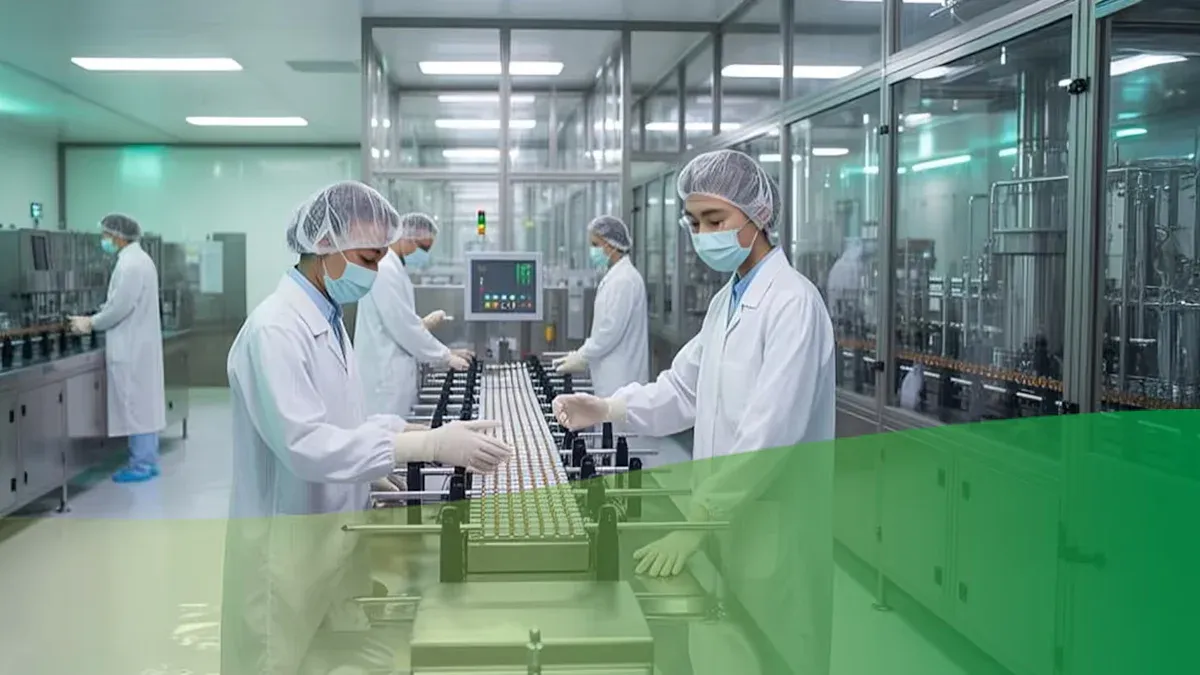
Automatic Tablet Tube Filling Machines deliver impressive throughput rates. These machines can process thousands of tubes per hour. Pharmaceutical companies often select automatic models to meet strict production deadlines. The system uses advanced sensors and controls to maintain a steady pace. Operators monitor the process but rarely intervene. This approach maximizes output and reduces bottlenecks.
Semi-automatic machines operate at a slower pace. Operators must load tubes and initiate each cycle. The throughput depends on the skill and speed of the staff. Small businesses or research labs often choose semi-automatic models for their flexibility. These machines fill fewer tubes per hour but allow for quick adjustments. The table below highlights the typical throughput ranges:
| Machine Type | Throughput (Tubes/Hour) |
|---|---|
| Automatic | 3,000 - 6,000 |
| Semi-Automatic | 500 - 1,500 |
Note: Throughput varies based on tablet size, tube dimensions, and operator experience.
Downtime and Changeover Times
Automatic Tablet Tube Filling Machines minimize downtime. The system features automated cleaning and quick-change components. Operators swap out parts and restart production with minimal delay. This design supports continuous operation and reduces lost time during product changeovers.
Semi-automatic machines require more manual intervention. Operators must clean and adjust the machine between batches. Changeover times increase when switching tablet sizes or tube formats. Small operations accept longer downtime for greater flexibility. They prioritize customization over speed.
Manufacturers should evaluate their production schedules before choosing a machine. High-volume facilities benefit from reduced downtime and fast changeovers. Smaller businesses may prefer the hands-on approach of semi-automatic models.
Labor Requirements for Tablet Tube Filling Machines
Staffing Needs
Automatic machines require fewer operators on the production floor. One or two staff members can monitor several machines at once. These operators check the supply of tablets and tubes, observe the control panel, and respond to system alerts. Most of the process runs without direct human involvement. This setup works well for companies that want to reduce labor costs and streamline operations.
Semi-automatic machines need more hands-on attention. Operators must load tubes, start each filling cycle, and sometimes inspect the filled tubes. A small team can manage a single machine, but the workload increases with production volume. Businesses that value flexibility often accept higher staffing needs to maintain control over each batch.
Note: Labor costs can impact the total cost of ownership. Companies should consider both the number of staff and the time required for each shift.
| Machine Type | Operators Needed per Shift |
|---|---|
| Automatic | 1-2 |
| Semi-Automatic | 2-4 |
Training and Skill Levels
Automatic machines use advanced technology. Operators must understand touch-screen controls, basic troubleshooting, and safety protocols. Training programs often include hands-on sessions and digital tutorials. Staff members learn to interpret error messages and perform routine maintenance. Companies may invest in ongoing education to keep skills current.
Semi-automatic machines require less technical knowledge. Operators focus on manual tasks, such as tube placement and visual inspection. Training covers machine operation, cleaning, and basic adjustments. Most staff members learn these skills quickly, which helps new employees become productive in a short time.
Tip: Regular training improves efficiency and reduces the risk of errors in any Tablet Tube Filling Machine operation.
Cost Analysis of Tablet Tube Filling Machines
Initial Investment
Companies face a significant decision when choosing between automatic and semi-automatic models. Automatic machines require a higher upfront investment. These machines include advanced sensors, programmable controls, and integration options. The cost reflects the technology and speed they deliver. Semi-automatic machines cost less at the start. They use simpler mechanisms and need fewer electronic components. Many small businesses select semi-automatic models to reduce initial expenses.
| Machine Type | Typical Initial Cost (USD) |
|---|---|
| Automatic | $50,000 - $120,000 |
| Semi-Automatic | $15,000 - $40,000 |
Note: Prices vary based on features, brand, and customization.
Operating Costs
Operating costs include labor, maintenance, and energy consumption. Automatic machines use less labor. One operator can manage several machines. Maintenance costs may rise due to complex parts. Energy use also increases with higher speeds and automation. Semi-automatic machines need more staff per shift. Maintenance remains simple and less expensive. Energy costs stay lower because the machines run at slower speeds.
- Automatic machines: Lower labor, higher maintenance, higher energy.
- Semi-automatic machines: Higher labor, lower maintenance, lower energy.
Long-Term Value
Long-term value depends on production needs and business growth. Automatic machines offer high output and consistent quality. They support expansion and reduce errors over time. Companies with large orders see a faster return on investment. Semi-automatic machines provide flexibility. They suit businesses with changing products or smaller batches. These machines allow easy upgrades or relocation. Each Tablet Tube Filling Machine type brings unique benefits for different business models.
Tip: Analyze production forecasts before making a final decision.
Quality and Consistency in Tablet Tube Filling Machines
Accuracy of Filling
Accuracy plays a critical role in tablet packaging. Automatic machines use advanced sensors and precise counting systems. These features help ensure each tube receives the correct number of tablets. Manufacturers often choose automatic models for high-volume production because they deliver consistent results. The system checks each tube and rejects any that do not meet the set standard.
Semi-automatic machines rely more on operator skill. Staff members must monitor the process and adjust settings as needed. While these machines can achieve good accuracy, human error may occur. Operators must pay close attention to tablet counts and tube placement. Regular calibration and maintenance help maintain accuracy.
Tip: Regularly check and calibrate equipment to maintain high accuracy in every batch.
Error Rates
Error rates can affect product quality and customer satisfaction. Automatic machines typically show lower error rates. The system detects miscounts or misaligned tubes and removes them from the production line. This process reduces the risk of underfilled or overfilled tubes.
Semi-automatic machines may experience higher error rates. Manual handling increases the chance of mistakes, especially during long shifts. Operators must stay alert to prevent errors. Training and clear procedures help reduce mistakes.
| Machine Type | Typical Error Rate (%) |
|---|---|
| Automatic | 0.1 - 0.5 |
| Semi-Automatic | 1.0 - 2.0 |
A Tablet Tube Filling Machine with low error rates supports brand reputation and regulatory compliance. Consistent quality builds trust with customers and partners.
Flexibility of Tablet Tube Filling Machines
Adaptability to Different Tube Sizes
Manufacturers often require machines that handle a range of tube sizes. Automatic models typically feature programmable settings and adjustable components. Operators can select tube dimensions using a touch-screen interface. The machine then calibrates itself for the new size. This process reduces setup time and supports consistent filling accuracy.
Semi-automatic machines offer manual adjustment options. Operators change guides and filling heads to match the tube size. This approach works well for facilities that produce custom orders or test new products. The process takes more time, but it allows for greater control over each batch.
| Machine Type | Tube Size Change Method | Setup Time | Flexibility Level |
|---|---|---|---|
| Automatic | Programmable | Short | Moderate |
| Semi-Automatic | Manual | Longer | High |
Tip: Facilities with frequent tube size changes benefit from semi-automatic machines due to their hands-on adaptability.
Suitability for Small vs Large Batches
Production batch size influences machine selection. Automatic Tablet Tube Filling Machines excel in large batch environments. These machines maintain speed and consistency over extended runs. Operators can set the batch size, and the system completes the process with minimal supervision.
Semi-automatic machines suit small batch production. Operators can start and stop the process as needed. This flexibility supports research labs, pilot projects, and facilities with frequent product changes. Small businesses often choose semi-automatic models to avoid waste and reduce setup costs.
- Automatic machines: Best for high-volume, repetitive tasks.
- Semi-automatic machines: Ideal for short runs and frequent changeovers.
Note: Batch size and product variety play a key role in choosing the right machine for your operation.
Space Requirements for Tablet Tube Filling Machines
Footprint Comparison
Automatic machines usually require more floor space than semi-automatic models. Their larger size comes from extra components like conveyors, hoppers, and integrated capping units. Facilities with limited space may find it challenging to fit these machines into existing layouts. Semi-automatic machines have a compact design. Operators can place them on standard workbenches or small production areas. This flexibility helps small businesses or labs maximize available space.
| Machine Type | Average Footprint (sq. ft.) |
|---|---|
| Automatic | 40 - 80 |
| Semi-Automatic | 10 - 25 |
Note: Always measure available space before purchasing a new machine.
Installation Considerations
Proper installation ensures smooth operation and safety. Automatic machines often need reinforced flooring to support their weight. They may also require dedicated electrical lines and ventilation. Technicians usually handle the setup, calibration, and initial testing. Semi-automatic machines offer easier installation. Staff can move and set up these units with minimal effort. Most models only need a standard power outlet and a stable surface.
Key installation steps include:
- Checking floor strength and levelness
- Ensuring access to power and ventilation
- Allowing space for maintenance and operator movement
A company should plan the layout to avoid workflow disruptions. Clear pathways around the Tablet Tube Filling Machine improve efficiency and safety. Good planning reduces downtime during installation and future maintenance.
Maintenance and Upkeep of Tablet Tube Filling Machines
Routine Maintenance Needs
Routine maintenance keeps production lines running smoothly. Automatic machines require scheduled inspections of sensors, conveyor belts, and tablet counting systems. Technicians check lubrication points and replace worn parts before breakdowns occur. Semi-automatic machines need regular cleaning of filling heads and manual adjustment of guides. Operators inspect moving parts and ensure that tablet residue does not build up inside the machine.
A well-planned maintenance schedule includes these tasks:
- Cleaning tablet contact surfaces daily
- Checking electrical connections weekly
- Replacing worn belts and seals monthly
- Calibrating counting mechanisms quarterly
Tip: Consistent maintenance reduces unexpected downtime and extends machine lifespan.
A maintenance log helps track completed tasks and identify recurring issues. Facilities that follow strict routines see fewer breakdowns and maintain higher product quality.
Downtime for Repairs
Downtime impacts production schedules and delivery commitments. Automatic machines often require specialized technicians for repairs. These machines use complex electronics and integrated systems. When a breakdown occurs, repair times may increase due to diagnostic procedures and part availability. Semi-automatic machines feature simpler designs. Operators or in-house maintenance staff can fix common problems quickly.
The table below compares typical repair downtime:
| Machine Type | Average Repair Downtime |
|---|---|
| Automatic | 4-8 hours |
| Semi-Automatic | 1-3 hours |
Facilities should keep spare parts on hand and train staff to handle minor repairs. Quick response to issues minimizes lost production and keeps the Tablet Tube Filling Machine operating efficiently.
Energy Consumption of Tablet Tube Filling Machines
Power Usage
Manufacturers often compare power usage when selecting equipment for production lines. Automatic machines typically consume more electricity than semi-automatic models. These machines run multiple motors, sensors, and conveyor systems at high speeds. Facilities with automatic machines may see higher utility bills due to continuous operation. Semi-automatic machines use fewer electronic components. Operators control most functions manually, which reduces energy consumption.
The table below shows typical power requirements:
| Machine Type | Average Power Consumption (kW) |
|---|---|
| Automatic | 3.5 - 6.0 |
| Semi-Automatic | 1.0 - 2.5 |
Operators should monitor energy use during peak production periods. Efficient scheduling helps reduce unnecessary power draw. Some manufacturers install energy meters to track usage and identify areas for improvement.
Tip: Regular maintenance of motors and electrical systems can lower energy consumption and extend machine life.
Environmental Impact
Energy consumption affects the environmental footprint of a facility. Automatic machines generate more heat and noise, which may require additional cooling or soundproofing. Higher electricity use increases carbon emissions, especially in regions that rely on fossil fuels. Semi-automatic machines produce less waste heat and operate quietly. These models suit companies with sustainability goals.
Many manufacturers seek ways to reduce environmental impact. They choose machines with energy-efficient motors and programmable controls. Some facilities use renewable energy sources to power production lines. Recycling programs for packaging materials also help lower the overall footprint.
Operators should consider the long-term effects of machine selection. A Tablet Tube Filling Machine with lower energy requirements supports green initiatives and reduces operating costs.
Decision Guide for Choosing a Tablet Tube Filling Machine
Checklist for Choosing the Right Machine
Selecting the best equipment for tablet tube filling requires careful evaluation. Decision-makers should review operational needs, facility constraints, and future growth plans. The following checklist helps companies compare options and identify the most suitable solution:
-
Production Volume Needs
- Assess average and peak batch sizes.
- Determine if the operation requires high-speed automation or manual flexibility.
-
Budget Constraints
- Calculate available funds for initial investment.
- Estimate ongoing costs for labor, maintenance, and energy.
-
Space Availability
- Measure the production area.
- Confirm if the facility can accommodate larger automatic machines or prefers compact semi-automatic models.
-
Staffing and Training
- Evaluate current workforce skills.
- Plan for training programs if advanced technology is involved.
-
Batch Variety and Changeover Frequency
- Review how often the company switches products or tube sizes.
- Decide if quick changeovers are essential.
-
Quality Standards
- Set accuracy and error rate targets.
- Choose equipment that meets regulatory and customer expectations.
-
Maintenance Capabilities
- Check if in-house staff can handle routine upkeep.
- Consider the need for external technical support.
-
Energy and Environmental Goals
- Analyze power consumption.
- Align machine selection with sustainability initiatives.
Tip: Companies should revisit this checklist before finalizing any purchase. A thorough review prevents costly mistakes and supports long-term success.
Key Questions to Ask Before Buying
Decision-makers often face uncertainty when choosing a Tablet Tube Filling Machine. Asking the right questions helps clarify requirements and avoid common pitfalls. The following questions guide buyers through the evaluation process:
- What is the expected daily and monthly output?
- Does the machine support the range of tube sizes used in current and future products?
- How much time does each changeover require, and how does this impact production schedules?
- What level of accuracy does the equipment deliver, and how does it handle errors?
- What are the total costs, including installation, operation, and maintenance?
- How many operators are needed per shift, and what training do they require?
- Can the machine integrate with existing packaging or labeling systems?
- What is the average downtime for repairs, and how quickly can spare parts be sourced?
- Does the equipment meet all regulatory standards for pharmaceuticals or supplements?
- How does the machine’s energy consumption affect utility bills and environmental goals?
| Question | Why It Matters |
|---|---|
| Expected output | Ensures machine matches demand |
| Tube size compatibility | Supports product variety |
| Changeover time | Impacts flexibility and efficiency |
| Accuracy and error handling | Maintains quality and compliance |
| Total cost | Affects budget and ROI |
| Staffing and training | Determines labor needs |
| Integration with other systems | Streamlines workflow |
| Repair downtime and spare parts availability | Reduces production interruptions |
| Regulatory compliance | Avoids legal and quality issues |
| Energy consumption | Supports sustainability |
Note: Buyers should document answers to these questions and share them with stakeholders. Clear communication leads to better decisions and smoother implementation.
Tablet Tube Filling Machine selection depends on production goals and facility needs. Automatic models deliver speed and consistency for large-scale operations. Semi-automatic machines offer flexibility and lower costs for smaller batches. Companies should assess output requirements, available space, and staffing before making a decision.
- Automatic: High volume, minimal labor, consistent quality
- Semi-automatic: Adaptable, cost-effective, easy changeovers
Careful evaluation ensures the right investment for long-term success.
FAQ
What is the main difference between automatic and semi-automatic tablet tube filling machines?
Automatic machines fill tubes with minimal human input. Semi-automatic machines require operators to load tubes and start cycles. Automatic models suit high-volume production. Semi-automatic models offer flexibility for smaller batches.
How often should operators perform maintenance on these machines?
Operators should clean tablet contact surfaces daily. Technicians inspect moving parts weekly. Facilities schedule calibration and part replacement monthly or quarterly. Regular maintenance prevents breakdowns and supports consistent output.
Can semi-automatic machines handle multiple tube sizes easily?
Semi-automatic machines allow manual adjustment for different tube sizes. Operators change guides and filling heads. This process supports frequent product changes and custom orders.
Tip: Staff should receive training on adjustment procedures to ensure accuracy.
Do automatic machines require specialized training for operators?
Operators need training on touch-screen controls, error codes, and safety protocols. Companies often provide hands-on sessions and digital tutorials. Skilled staff maintain efficiency and reduce errors.
Which machine type is better for small businesses?
Small businesses often choose semi-automatic machines. These models cost less, occupy less space, and support frequent changeovers. They suit operations with lower production volumes and varied product lines.
| Machine Type | Best For |
|---|---|
| Automatic | Large manufacturers |
| Semi-Automatic | Small businesses |
See Also
Comparing Manufacturers of Ampoule Filling Production Lines
Enhancing Pharmaceutical Efficiency with Capsule Decapsulation Technology
Is Investing in Automated Virus Sampling Tube Lines Worth It?