Find the Perfect Chick Water Dispenser for Your Flock
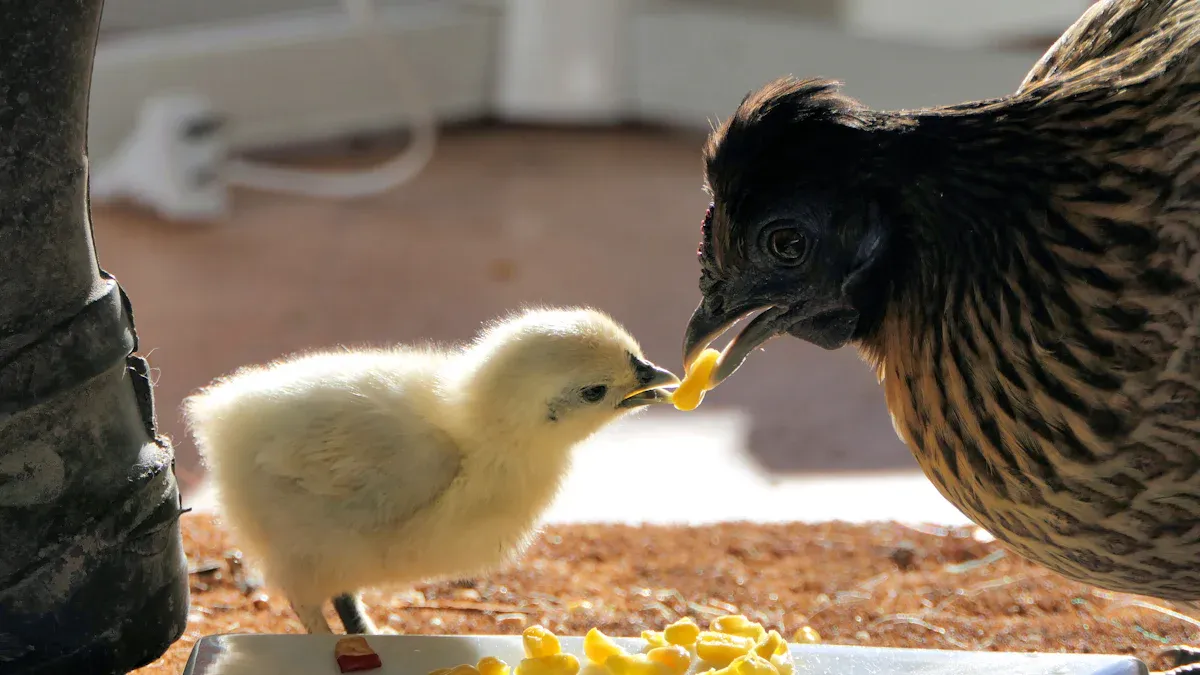
Choosing the best chick water dispenser depends on several factors. Flock size, budget, and daily chore time all play a role. Automatic systems save time for busy owners and provide constant fresh water for larger flocks. Manual waterers are a practical choice for small flocks under ten chicks on a tight budget.
Key Takeaways
- Choose a manual waterer for small flocks and tight budgets. They are simple to use and cost less money.
- Select an automatic waterer for larger flocks or if you need more convenience. These systems save time and keep water cleaner.
- Consider your flock size, budget, and daily schedule to pick the best water dispenser. This choice helps keep your chicks healthy.
Manual Waterers: The Simple & Affordable Choice
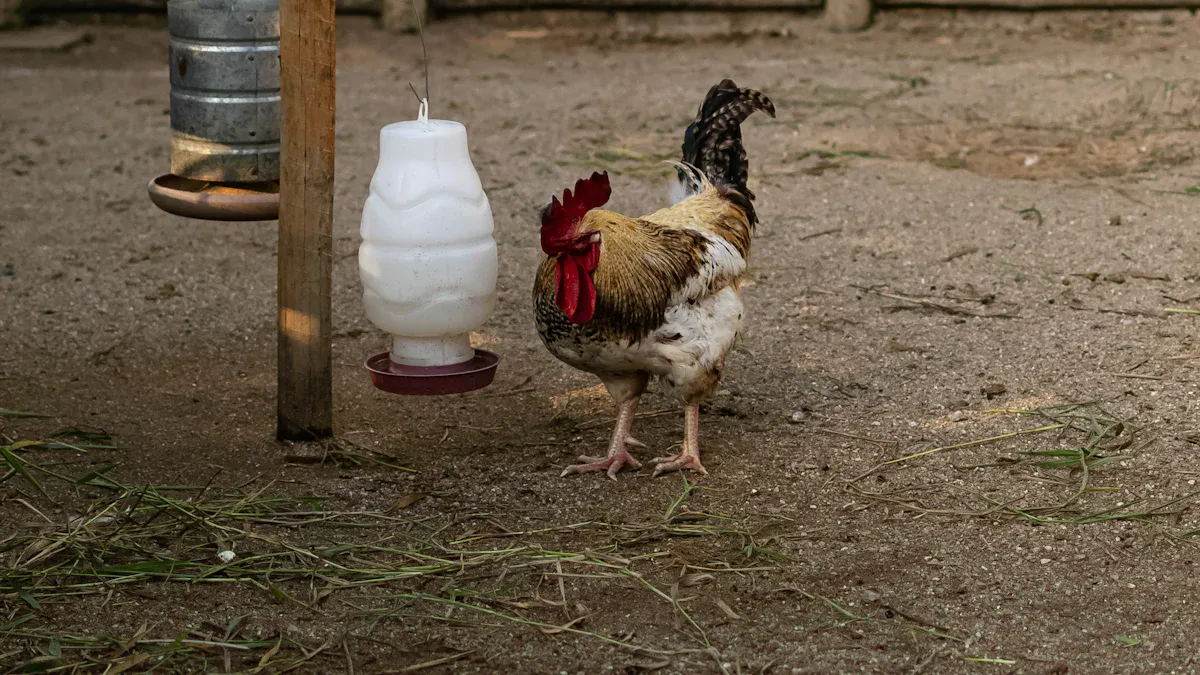
Manual waterers are a common sight in brooders and coops. They are a great starting point for many new poultry keepers. These simple devices are easy to understand and use.
What They Are & How They Work
A manual waterer typically consists of two parts: a reservoir for holding water and a base tray where chicks drink. Poultry keepers fill the reservoir, screw on the base, and flip it over. Gravity then pulls a small amount of water into the tray, automatically refilling it as the chicks drink. These waterers come in two popular materials. Plastic models are lightweight and easy to clean. Galvanized steel waterers are durable but can rust over time.
The Pros of Manual Waterers
The biggest advantage of manual waterers is their low cost. They are the most budget-friendly option available. For example, a one-gallon plastic waterer can cost as little as $5.93. Their simplicity is another major benefit.
- Easy to Find: They are sold at nearly every farm supply store.
- Simple to Clean: Plastic versions are especially easy to wash.
- Versatile: Some keepers prefer metal waterers because they can be used with water heaters during the winter.
The Cons of Manual Waterers
Manual waterers require significant daily labor. Their main drawback is the constant need for cleaning and refilling.
Note: To prevent harmful bacterial growth, keepers must clean manual waterers daily. The water itself should be changed at least once or twice a day, especially in hot weather.
Chicks often kick bedding, droppings, and food into the open water tray. This contamination requires immediate attention. Additionally, certain materials have limitations. Keepers cannot add supplements like apple cider vinegar to galvanized metal waterers, as the acid reacts with the metal.
Automatic Chick Water Dispenser Systems: The Convenient Solution
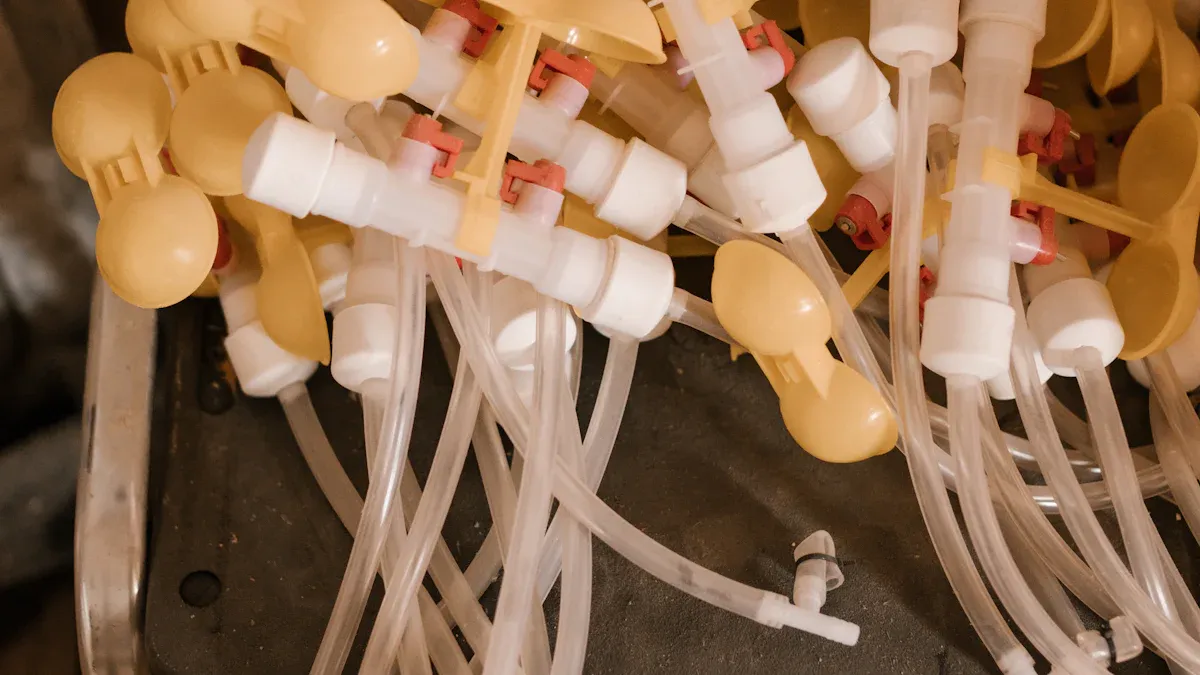
Automatic systems offer a hands-off approach to watering chicks. They connect directly to a water source, like a hose or a large reservoir. This setup ensures a constant supply of clean water with minimal daily effort. An automatic chick water dispenser is an excellent upgrade for growing flocks.
What They Are & How They Work
These systems use a float valve to regulate water flow, much like a toilet tank refills after a flush. The valve controls the water level in the drinker.
- A float sits on the water's surface.
- As chicks drink, the water level drops, causing the float to lower.
- The float's movement opens a valve, allowing fresh water to flow in.
- The water level rises, lifting the float and closing the valve to prevent overflow.
This mechanism keeps the water fresh and full. Common types of automatic systems include:
- Nipple drinkers, which release water when chicks peck a small metal pin.
- Cup drinkers, which automatically fill a small cup to a set level.
The Pros of Automatic Waterers
The primary benefit of an automatic chick water dispenser is convenience. Keepers save a significant amount of time because they no longer need to refill waterers multiple times a day. The enclosed design also keeps the water much cleaner. Bedding and droppings cannot easily contaminate the supply. This improved hygiene helps prevent the spread of disease and promotes healthier chicks. The constant availability of water is crucial, especially during hot weather.
The Cons of Automatic Waterers
The main drawback is the higher initial cost. These systems require an investment in tubing, connectors, and the drinkers themselves. Installation can also be more complex than simply setting down a manual waterer.
Tip: Keepers should regularly check the lines and nipples for clogs or leaks to ensure the system functions correctly. A malfunction could leave chicks without water. Some systems may also require a learning curve for the chicks, who must learn how to activate the nipples or use the cups.
Head-to-Head: Automatic vs. Manual Waterers
Choosing between a manual and an automatic waterer involves a trade-off between cost, convenience, and cleanliness. A direct comparison helps poultry keepers decide which system best fits their needs.
Daily Labor and Time
The time commitment is the most significant difference between the two systems. Manual waterers demand a continuous, hands-on approach. Automatic systems offer a set-it-and-forget-it solution that saves valuable time.
- Manual Waterers:
- Require daily refilling, often multiple times per day.
- Need constant monitoring and physical effort to clean and move.
- Involve a daily commitment that can be tiring for keepers.
- Automatic Waterers:
- Eliminate the need for daily manual watering chores.
- Operate independently once connected to a water source.
- Allow keepers to focus on other important flock management tasks.
Water Cleanliness and Hygiene
Maintaining clean water is essential for chick health. The design of a waterer directly impacts its ability to stay free of contaminants. Manual waterers with open trays are highly susceptible to getting dirty. Chicks easily kick bedding, food, and droppings into the water, creating a breeding ground for harmful bacteria.
Automatic systems, on the other hand, are engineered to minimize mess. Drinker cups like Lubing Cups have a specific design that prevents chicks from standing in or soiling their water. This enclosed system ensures a constant supply of clean water. Better water quality reduces the risk of waterborne diseases, leading to healthier chicks and lower veterinary costs in the long run.
Initial Cost and Investment
Cost is often the deciding factor for new poultry keepers. Manual waterers have a very low initial cost, making them an accessible entry point. A simple plastic waterer is inexpensive and widely available.
Automatic systems require a higher upfront investment. The keeper must purchase tubing, connectors, and the drinker cups or nipples. However, it is helpful to consider the long-term return on investment (ROI). An automatic system provides significant labor savings. It also improves water cleanliness, which can lead to better chick growth rates and reduced medical expenses. Over the system's lifespan, these benefits often outweigh the initial purchase price, making it a profitable upgrade for a growing operation.
Chick Safety and Risks
A keeper's top priority is the safety of their chicks. Each system presents different risks. Manual waterers with open trays pose a serious drowning hazard.
Chicks are most vulnerable to drowning in their first week of life. A chick can drown in as little as 1/8 inch of water. Keepers using manual waterers should place marbles or small, clean rocks in the water tray to prevent these accidents.
A wet brooder environment also leads to other problems, such as chilling and hypothermia, which can be fatal for young birds.
Automatic systems eliminate the risk of drowning. However, they can present a different challenge. Chicks must learn how to use nipple or cup drinkers. While most chickens adapt quickly due to their natural pecking instincts, some may struggle. This learning curve can create a temporary risk of dehydration if a chick fails to figure out the system. Keepers should monitor their flock closely after installing a new automatic system.
Best For Flock Size
The ideal chick water dispenser often depends on the number of birds in the brooder. The benefits of one system over the other become clearer as flock size changes.
| Feature | Manual Waterer | Automatic Waterer |
|---|---|---|
| Ideal Flock | Fewer than 10 chicks | 10+ chicks |
| Labor | High (Daily cleaning/refilling) | Low (Occasional checks) |
| Hygiene | Poor (Easily contaminated) | Excellent (Enclosed system) |
| Cost | Low initial cost | Higher initial investment |
For small, backyard flocks, a manual waterer is a practical and affordable choice. For larger flocks or for keepers who value convenience and biosecurity, an automatic system is the superior option.
Key Factors for Your Final Decision
Making the right choice comes down to a few personal considerations. A poultry keeper should weigh their flock's needs, their budget, and their own daily availability. This balance will point to the best watering solution.
Evaluating Your Flock Size
Flock size is a primary driver in this decision. Manual troughs are simple and cost-effective for small herds. They are easy to manage for just a few birds. Automatic waterers, however, become highly beneficial for large-scale operations. These systems ensure a consistent supply of clean water without constant supervision. This saves significant labor and is especially important during hot weather when heat stroke is a concern. For flocks of ten or more birds, an automatic system is a practical upgrade.
Assessing Your Budget
Budget is another critical factor. Manual waterers have a low initial cost, making them an affordable starting point. Automatic systems require a higher upfront investment but can offer long-term savings.
Investing in higher-quality, durable waterers can be more cost-efficient over time. It reduces the frequency of replacement and repair costs.
Keepers should also plan for ongoing maintenance.
- Routine maintenance includes replacement parts, labor, and cleaning.
- Neglecting these tasks can increase operational costs later.
- Budgeting for regular check-ups helps avoid larger expenses down the road.
Considering Your Daily Schedule
A keeper's daily schedule heavily influences the best chick water dispenser choice. Those with busy lives or who are away for weekends need a reliable, low-maintenance solution. An automatic system provides peace of mind.
- A hanging 2.5-gallon bucket with vertical nipples can be left for a few days.
- A system connected to large water barrels with a float valve offers a long-term water supply.
These setups ensure chicks have constant access to fresh water, even when the keeper is not present. This convenience allows owners to focus on other aspects of flock care.
Manual waterers suit small flocks on a budget, while automatic systems are ideal for larger flocks and convenience. The right choice ensures a clean, reliable water source, which helps prevent diseases like Coccidiosis. Ultimately, keepers should select a system based on their own schedule and flock management needs.
FAQ
How many waterers do chicks need?
Keepers should provide one nipple or cup for every 10 chicks. A one-gallon manual waterer can serve up to 25 chicks but needs constant refilling to stay clean.
How do keepers train chicks to use nipple drinkers?
Keepers can gently tap the nipple to release a water droplet. Chicks see the water and their natural pecking instinct encourages them to drink from the new source.
What is the best water temperature for chicks?
Chicks need cool, fresh water. Room temperature water is ideal for them. Keepers should avoid giving chicks very cold water, as it can cause chilling and stress.