Choosing a Water Dispenser for Animals Automatic or Gravity Fed
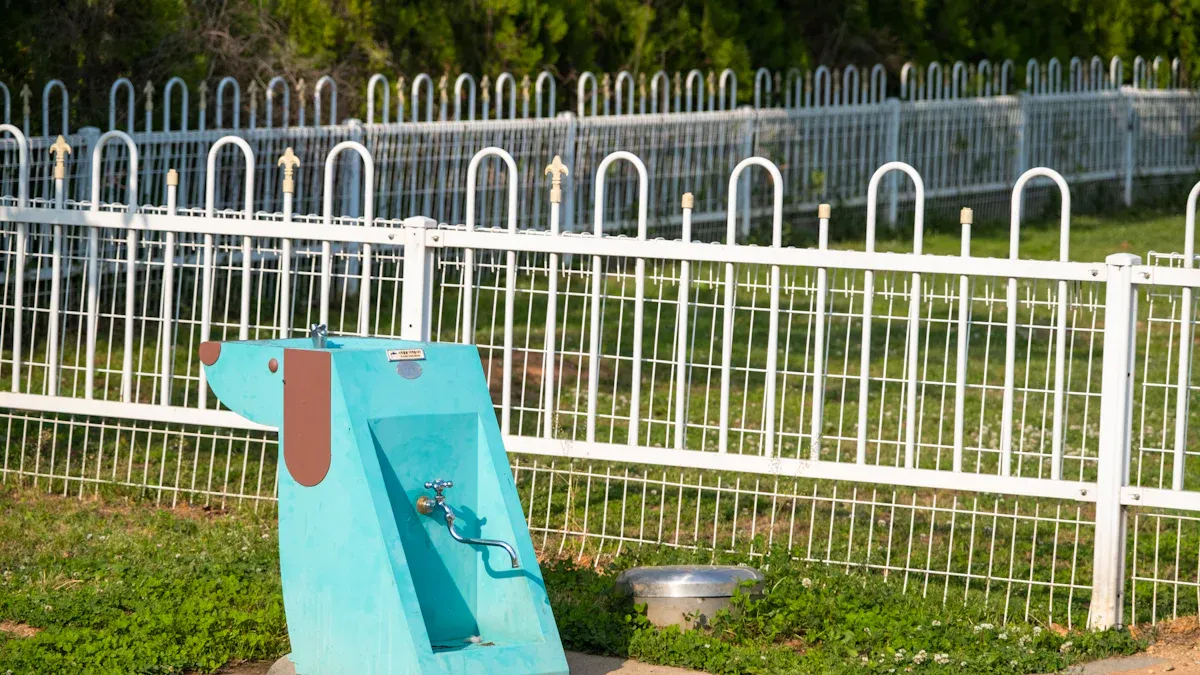
Selecting the best water dispenser for animals requires you to consider your pet's needs and your lifestyle. Your commitment to cleaning is also a key factor.
A gravity-fed dispenser uses gravity to refill a bowl from a reservoir. An automatic dispenser uses electricity to circulate and filter the water.
Key Takeaways
- Gravity-fed dispensers are simple and reliable. They are good for many pets or outdoor use. You must clean them often to stop germ growth.
- Automatic dispensers keep water fresh with filters and movement. They encourage pets to drink more. You need to clean them regularly and change filters.
- Your choice depends on your pet's needs and your cleaning habits. Both types need regular cleaning. This keeps your pet's water safe and healthy.
Automatic vs. Gravity-Fed: A Comparison
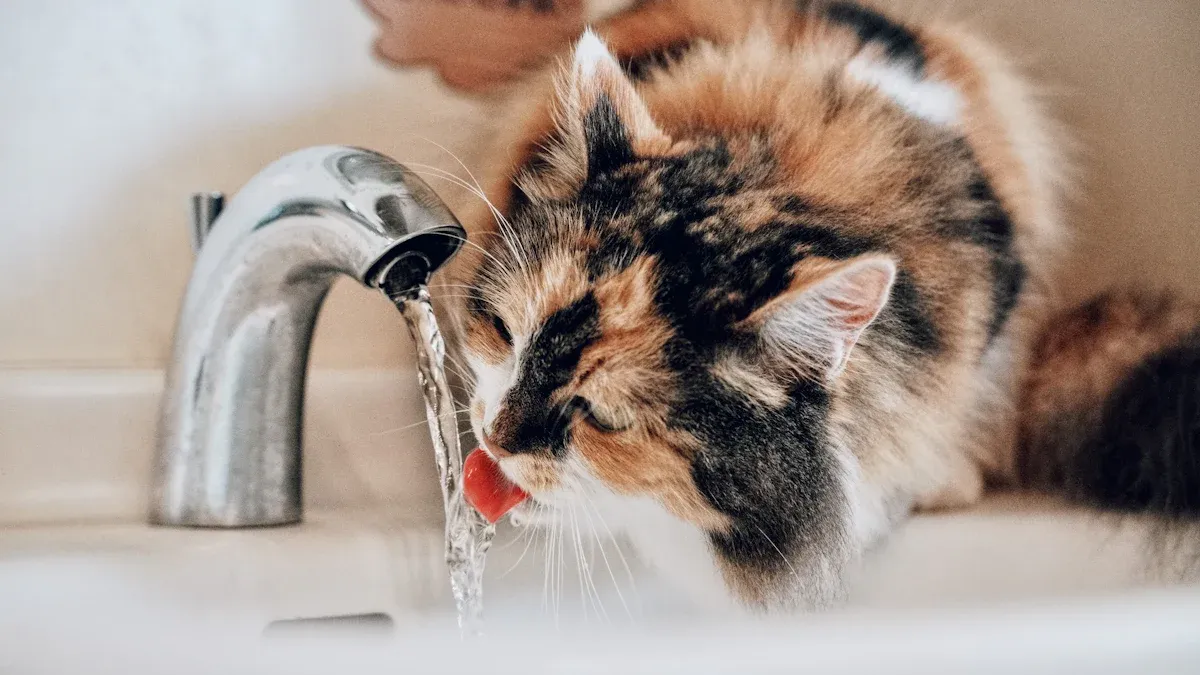
You want to provide the best for your pet. Understanding the differences between automatic and gravity-fed dispensers helps you make an informed choice. Let's compare them across several key areas.
Functionality & Water Freshness
The primary difference between these two systems is how they deliver water. A gravity-fed dispenser holds water in a reservoir. Gravity pulls the water down to fill the attached bowl as your pet drinks. The water in the bowl is still, or stagnant.
An automatic water dispenser for animals uses a small electric pump. The pump circulates water, often through a filter, before it cascades into the bowl. This constant movement aerates the water, keeping it oxygenated and more appealing. The Centers for Disease Control and Prevention (CDC) notes that unclean water can lead to bacterial infections. Stagnant water can quickly gather dust and hair, which discourages pets from drinking.
The continuous flow in automatic fountains helps prevent bacteria from growing. This keeps the water fresher and safer for your pet to drink.
| Feature | Automatic Water Fountain | Gravity-Fed Dispenser |
|---|---|---|
| Water Freshness | Continuously filtered & circulating water stays clean, fresh, and oxygenated. | Stagnant water can become contaminated with dust, hair, and bacteria over time. |
| Health & Hygiene | A multi-level filtration system removes impurities like hair, debris, and bacteria. | Still water can develop biofilm and slime, increasing health risks for your pet. |
Maintenance & Cleaning
Your cleaning commitment is a major factor in your decision. Both types of dispensers require regular cleaning to prevent the buildup of slime, also known as biofilm.
“While gravity feeders reduce refill frequency, they must be cleaned at least twice a week to prevent biofilm formation—a common issue in stagnant water systems.” — Dr. Laura Simmons, DVM, Canine Health Consultant
Gravity-fed models have fewer parts but can be difficult to clean. The reservoir often has a narrow neck, making it hard to scrub inside where biofilm grows. Automatic dispensers have more components, including a pump and filters, that you must disassemble and clean.
A good cleaning schedule is essential for any water dispenser for animals.
- Weekly Cleaning: You should fully disassemble the dispenser once a week. Wash all parts with gentle dish soap and warm water. Use a small brush to clean hard-to-reach areas.
- Filter Replacement: Automatic dispensers use filters to remove impurities. You need to replace these filters every 2-4 weeks to ensure the water stays clean. Always rinse a new filter before you use it.
Initial & Ongoing Costs
Your budget plays a role in this choice. Gravity-fed dispensers generally have a lower initial cost. You can find simple models for a low price, though some stainless steel versions are more expensive.
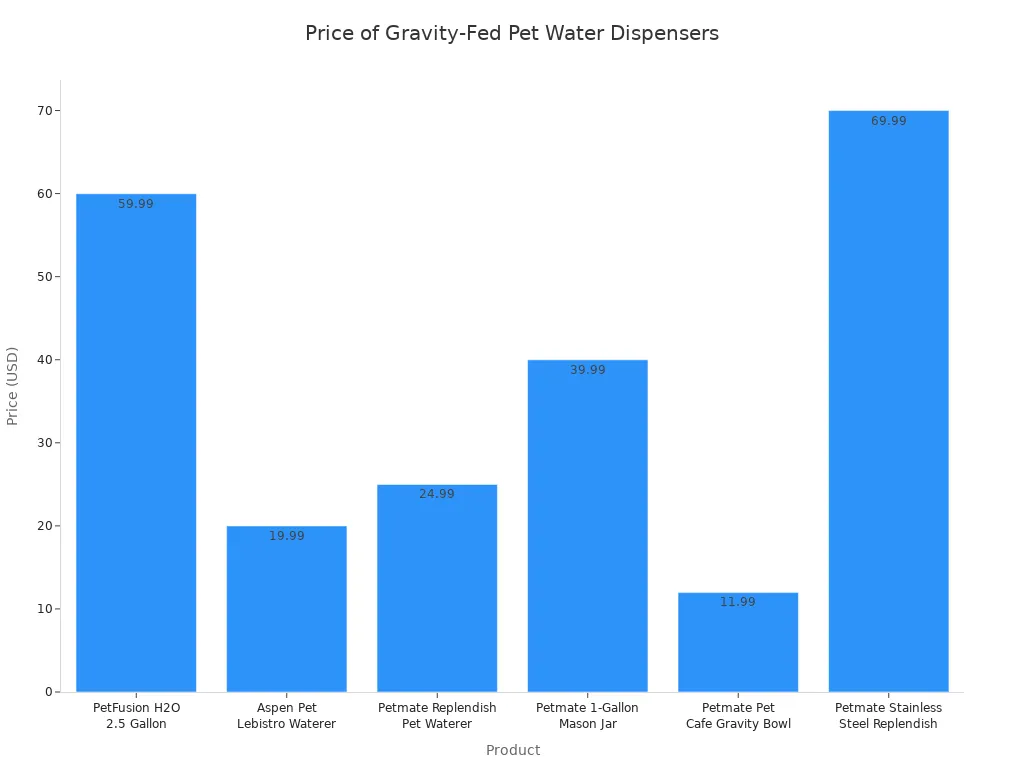
Automatic fountains have a higher upfront price. They also have ongoing costs. You must factor in the price of replacement filters and the small amount of electricity the pump uses.
Capacity & Convenience
Both dispenser types offer convenience by holding more water than a standard bowl. This reduces your daily refilling chores.
- Gravity-fed dispensers often have the largest capacities, with some holding up to 5 gallons of water. This makes them a great option if you have multiple pets or large dogs.
- Automatic dispensers come in various sizes. You should choose a capacity that matches your pet's size and drinking habits.
You should also consider the ease of refilling. Many modern dispensers feature designs that simplify this task. Look for models with a translucent tank, which allows you to see the water level at a glance. A dispenser with a separate tank and base lets you carry just the tank to the sink for a refill, keeping electrical parts away from water.
Safety & Reliability
Reliability is a key strength of gravity-fed dispensers. They have no moving parts or electrical components. This simple design means there is nothing to break down or malfunction.
Automatic dispensers rely on electricity, which introduces some safety considerations.
- Electrical Safety: You must ensure the power cord is out of your pet's reach to prevent chewing. Some pumps must stay fully submerged in water to avoid overheating. You should also check that the dispenser's voltage is compatible with your home's electrical outlets.
- Clogged Filters: If you do not change the filter regularly, it can become clogged with hair and debris. This reduces the fountain's effectiveness and can make the water unsafe.
- Bacterial Growth: An automatic fountain that is not cleaned properly can still grow bacteria and algae, despite its circulating water.
Ultimately, the safest and most reliable option is the one you can maintain correctly.
Which Water Dispenser for Animals is Right for You?
The right choice depends entirely on your specific situation. By evaluating your pet's habits, your daily routine, and your home environment, you can select the perfect dispenser to keep your companion happy and hydrated.
Choose a Gravity-Fed Dispenser If...
A gravity-fed dispenser is an excellent choice for its simplicity and reliability. You should consider this option if your needs align with the following scenarios.
-
You have multiple pets or large dogs. Gravity-fed models often come in very large sizes. For example, the highly-rated Petmate Replendish offers capacities up to 4 gallons. Pet owners find the 2.5-gallon size provides enough water for two or three dogs, eliminating the need for daily refills. With over 61,000 5-star reviews, users praise its sturdy design that withstands large pets and lasts for years.
-
You need a solution for outdoor or non-powered areas. Gravity-fed systems are perfect for patios, barns, or remote locations without easy access to electricity. Their key advantages in these settings include:
- Reliability: With no moving parts, they are less likely to break down.
- Low Cost: They have no ongoing electrical costs.
- Simple Setup: The design is easy to install and clean.
- Portability: You can easily move them wherever your animals need water.
-
Your budget is a primary concern. These dispensers have a much lower upfront cost than their automatic counterparts. You can provide a large-capacity water source for your pet without a significant investment.
-
You prefer a simple, no-fuss system. A gravity-fed water dispenser for animals has no electrical parts to manage, no pumps to troubleshoot, and no filters to replace (though some, like the Petmate Replendish, include an optional charcoal filter).
-
You can commit to a strict cleaning schedule. The main drawback of stagnant water is biofilm. You must be prepared to disassemble and scrub the bottle and bowl thoroughly at least twice a week to ensure your pet's water is safe.
Choose an Automatic Dispenser If...
An automatic dispenser is the superior choice if you want to provide the freshest water and encourage your pet to drink more. This type of dispenser is right for you in these situations.
-
Your pet is a picky drinker. Many cats and some dogs are drawn to moving water. The sound and motion of a fountain can entice a reluctant pet to drink. Different models offer various flow styles to match your pet's preference.
Fountain Model Key Feature for Picky Cats Material Flow Modes NPET Automatic Pet Fountain Three flow modes (waterfall, bubbling, leaf) Plastic 3 Petlibro Capsule Automatic Pet Fountain Very quiet operation to not startle timid pets Stainless Steel N/A PawsPik SS-01 Cat Fountain Dual modes (faucet stream or bubbler) Stainless Steel 2 -
You want to maximize water freshness and hygiene. The constant circulation and filtration in an automatic fountain keep the water oxygenated and free of hair, dust, and other debris. Pet owners state that convenience and cleanliness are top priorities, and these fountains deliver on both fronts.
-
You value modern features and peace of mind. Pet owners increasingly appreciate innovative features that make pet care easier. You can find models with:
- Adjustable Flow: Customize the water stream intensity for your pet.
- Smart Connectivity: Use a smartphone app to monitor your pet's drinking habits and receive low-water alerts. This gives you peace of mind, especially when you are at work or away from home.
-
You are willing to perform regular maintenance. Automatic fountains require you to disassemble and clean the pump every 1-2 weeks. You also need to replace the filters every 2-4 weeks. This upkeep is essential for the fountain to function correctly and provide clean water.
Essential Maintenance Tips
Proper maintenance ensures your pet's water dispenser remains a source of health, not harm. You can extend the life of your dispenser and protect your pet by following a few key practices.
Your Cleaning Schedule
You should clean your pet's water dispenser at least once a week. Regular cleaning prevents the growth of harmful bacteria and biofilm. For plastic models, you can follow a simple routine.
Weekly Cleaning Steps:
- Wash all parts with warm water and gentle soap.
- Use a small brush to scrub any tight corners.
- Rinse everything thoroughly to remove soap residue.
- Let the parts air dry completely before reassembling.
If your dispenser is dishwasher-safe, you can place the components in the dishwasher for easy cleaning.
Proper Dispenser Placement
Where you place the dispenser matters. Cats especially dislike having their water near their food or litter box. This instinct comes from the wild, where they avoid contaminating their water source.
Place the dispenser in a quiet, calm area away from noisy appliances. A well-lit spot makes it easy for you to see the water level. If you have an automatic fountain, you will need to place it near an electrical outlet and secure the cord.
The Best Water to Use
The type of water you use can affect your dispenser and your pet. Filtered water is an excellent choice because it removes impurities like chlorine. This provides your pet with fresh, clean water.
Using regular tap water can be a problem if you have hard water. The minerals in hard water, like calcium, create scale buildup. This buildup can clog the pump and shorten the life of an automatic fountain. While distilled water is pure, some pets find its "flat" taste unappealing and may drink less. For most homes, filtered tap water offers the best balance of purity and taste.
Your final decision on a water dispenser for animals depends on your pet's personality and your cleaning habits. Gravity-fed models offer simplicity, while automatic fountains provide fresher water. Consider your pet's unique quirks.
- Sensitive or Timid Cats: A quiet fountain will make them more comfortable.
- Playful Rabbits: They might knock over or toss toys into a simple bowl.
The best choice is the one you can consistently maintain to provide clean, safe water.
FAQ
How often should I clean a pet water dispenser?
You should clean the dispenser at least once a week. This practice prevents harmful biofilm and bacteria from growing. Regular cleaning keeps your pet's water safe and fresh.
Is a stainless steel dispenser better than plastic?
Stainless steel is a great choice. It resists scratches where bacteria can hide. The material is also durable and easy to clean, making it a more hygienic option.
How can I encourage my pet to use a new fountain?
You can place the new fountain near their old water bowl. Let your pet explore it without pressure. Keeping the fountain running often attracts their curiosity.