Top Innovations Shaping Automatic Tablet Press Machines in 2025
Pharmaceutical manufacturers rely on innovation to boost productivity and maintain high standards. In 2025, new technologies in the automatic tablet press machine deliver faster production rates, consistent tablet quality, and greater adaptability to changing market demands. These advancements set new benchmarks for efficiency and reliability.
Industry 4.0 Integration in Automatic Tablet Press Machine
Smart Connectivity
Manufacturers now expect machines to communicate seamlessly across the production floor. Smart connectivity in automatic tablet press machine technology enables real-time data exchange between equipment, operators, and enterprise systems. These machines use advanced sensors and IoT modules to monitor performance and share updates instantly. Operators receive alerts about potential issues, which helps them respond quickly and maintain consistent output.
Smart connectivity reduces downtime and improves traceability. When every automatic tablet press machine connects to a central network, managers can track batches, review maintenance logs, and analyze production trends. This level of integration supports better decision-making and enhances overall efficiency.
Key features of smart connectivity include:
- Wireless data transmission
- Remote monitoring capabilities
- Integration with manufacturing execution systems (MES)
These features allow teams to optimize workflows and ensure that each tablet meets strict quality standards.
Data-Driven Manufacturing
Data-driven manufacturing transforms how companies operate. Automatic tablet press machine systems now collect and analyze vast amounts of production data. This information helps manufacturers identify bottlenecks, predict maintenance needs, and improve product consistency. Data analytics tools process information from sensors and control panels, providing actionable insights.
Operators use dashboards to visualize performance metrics. They can adjust machine settings based on real-time feedback, which leads to fewer errors and higher yields. Data-driven approaches also support regulatory compliance by maintaining detailed records of every batch.
A typical data-driven workflow includes:
- Continuous data collection from sensors
- Automated analysis using AI algorithms
- Implementation of process improvements based on insights
These innovations empower manufacturers to produce tablets more efficiently while maintaining high standards for safety and quality.
Advanced Automation and Robotics in Automatic Tablet Press Machine
Automated Material Handling
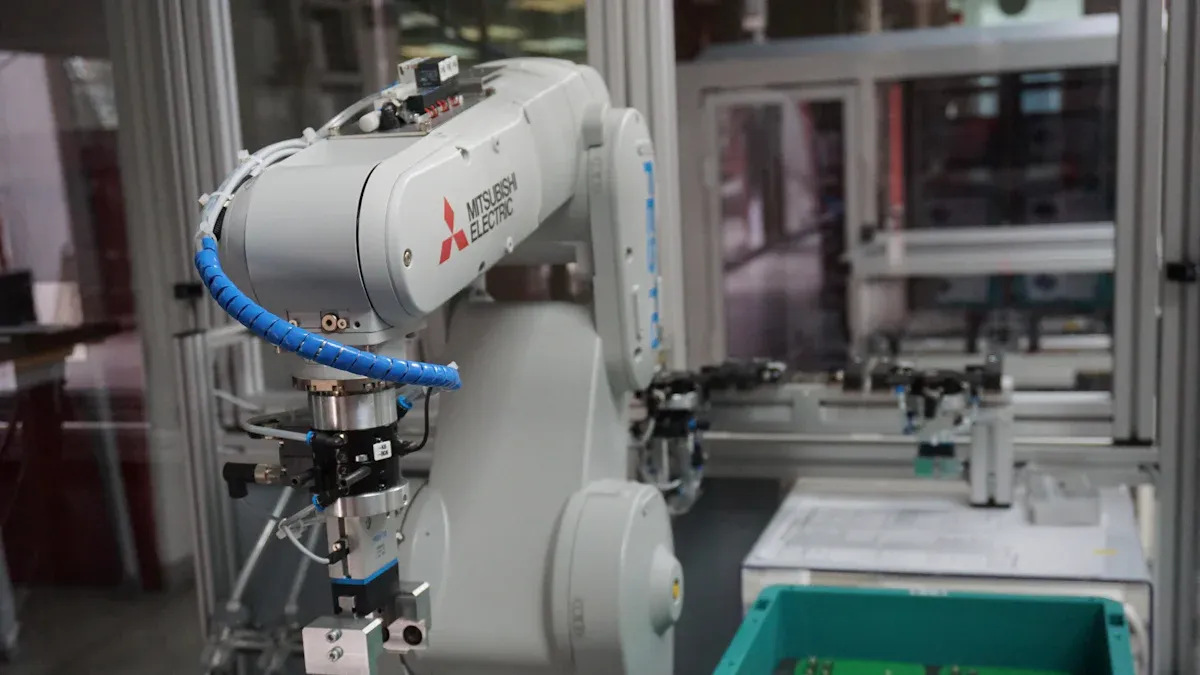
Manufacturers now rely on automated material handling to streamline production. Robots and conveyor systems transport powders and granules directly to the automatic tablet press machine. This approach reduces manual labor and minimizes contamination risks. Operators observe consistent material flow, which leads to uniform tablet weight and composition.
Automated systems improve safety by limiting human contact with active pharmaceutical ingredients. They also increase throughput by delivering materials at precise intervals.
Key benefits of automated material handling include:
- Faster loading and unloading cycles
- Reduced human error
- Enhanced cleanliness in production areas
A well-designed material handling system supports continuous operation. It allows manufacturers to meet high-volume demands without sacrificing quality.
Robotic Quality Control
Robotic quality control has transformed inspection processes. Advanced vision systems and robotic arms examine tablets for defects such as cracks, chips, or irregular shapes. These robots work alongside the automatic tablet press machine, scanning each tablet at high speed.
Operators receive instant feedback on tablet quality. Robots sort defective tablets and remove them from the production line. This method ensures only tablets that meet strict standards reach packaging.
| Feature | Benefit |
|---|---|
| High-speed inspection | Increased productivity |
| Consistent accuracy | Reliable quality checks |
| Automated rejection | Fewer defective tablets |
Manufacturers trust robotic quality control to maintain product integrity. They achieve higher yields and reduce waste, which supports profitability and customer satisfaction.
Real-Time Process Monitoring for Automatic Tablet Press Machine
In-Line Sensors and Analytics
Manufacturers now rely on in-line sensors to monitor every stage of tablet production. These sensors measure parameters such as pressure, temperature, and tablet thickness. Operators receive instant feedback through digital dashboards. The system alerts them when values move outside acceptable ranges.
In-line analytics help teams detect problems before they affect product quality. They can adjust machine settings quickly to maintain consistency.
Sensors collect data from each batch. Analytics software processes this information and highlights trends. Teams use these insights to improve efficiency and reduce waste. The combination of sensors and analytics supports continuous improvement in manufacturing.
Key advantages of in-line sensors and analytics:
- Immediate detection of deviations
- Enhanced process control
- Reduced risk of defective tablets
Predictive Quality Assurance
Predictive quality assurance uses advanced algorithms to forecast potential issues. The system analyzes historical data and current sensor readings. It predicts when a batch might fail to meet standards.
Operators act on these predictions to prevent problems. They schedule maintenance or adjust production parameters before defects occur. This proactive approach saves time and resources.
| Benefit | Description |
|---|---|
| Early issue detection | Stops defects before they happen |
| Lower rejection rates | Fewer wasted tablets |
| Improved compliance | Meets regulatory requirements |
Manufacturers trust predictive quality assurance to deliver reliable results. The automatic tablet press machine becomes more efficient and produces higher-quality tablets.
Improved Materials and Tooling in Automatic Tablet Press Machine
High-Performance Alloys
Manufacturers now select high-performance alloys to build critical components for tablet production. These advanced materials resist corrosion and withstand high pressure during operation. Engineers choose alloys such as stainless steel and titanium for punches, dies, and compression chambers. These metals maintain their shape and strength even after thousands of production cycles.
High-performance alloys extend the lifespan of tooling and reduce the frequency of replacements. This improvement lowers maintenance costs and increases machine uptime.
A few key benefits of using high-performance alloys include:
- Superior durability under continuous stress
- Enhanced resistance to chemical reactions
- Consistent tablet quality over long production runs
Manufacturers also see fewer defects and less downtime. The automatic tablet press machine operates smoothly, delivering reliable results batch after batch.
Precision Engineering
Precision engineering plays a vital role in modern tablet manufacturing. Technicians use advanced machining techniques to create tooling with exact dimensions. Computer-controlled equipment shapes punches and dies to tolerances measured in microns. This level of accuracy ensures each tablet meets strict weight and thickness specifications.
| Precision Feature | Impact on Production |
|---|---|
| Micron-level tooling | Uniform tablet size |
| Laser measurement | Reduced variability |
| Automated calibration | Faster setup times |
Precision engineering also supports rapid changeovers between tablet sizes and shapes. Operators swap tooling quickly without sacrificing accuracy. This flexibility helps manufacturers respond to market demands and produce a wide range of pharmaceutical products.
Precision tooling and high-performance alloys together set new standards for efficiency and reliability in tablet production.
Enhanced Maintenance Solutions for Automatic Tablet Press Machine
Predictive Maintenance Systems
Manufacturers now rely on predictive maintenance systems to keep equipment running smoothly. These systems use sensors to monitor the health of critical components. Data from vibration, temperature, and pressure sensors helps technicians spot early signs of wear. The software analyzes trends and forecasts when a part might fail.
Predictive maintenance reduces unexpected breakdowns. Teams schedule repairs before problems disrupt production.
A typical predictive maintenance workflow includes:
- Continuous data collection from machine sensors
- Automated alerts for abnormal readings
- Scheduled inspections based on data analysis
Technicians use dashboards to track machine status. They replace worn parts during planned downtime. This approach extends the life of the automatic tablet press machine and lowers maintenance costs.
| Benefit | Description |
|---|---|
| Fewer breakdowns | Less unplanned downtime |
| Lower costs | Reduced emergency repairs |
| Longer equipment life | Improved return on investment |
Remote Diagnostics
Remote diagnostics allow experts to assess machine performance from anywhere. Engineers connect to the tablet press using secure networks. They review sensor data, error logs, and system alerts in real time. This capability speeds up troubleshooting and helps teams solve problems quickly.
Remote diagnostics improve response times. Technicians receive guidance from specialists without waiting for on-site visits.
Key features of remote diagnostics:
- Secure remote access to machine data
- Real-time monitoring of system health
- Fast identification of faults
Manufacturers benefit from reduced downtime and faster repairs. Remote support also helps train local staff and ensures compliance with industry standards.
Customization and Flexibility in Automatic Tablet Press Machine
Modular Machine Design
Pharmaceutical manufacturers demand equipment that adapts to changing production needs. Modular machine design allows engineers to configure systems for specific tablet sizes, shapes, and formulations. Each module performs a dedicated function, such as feeding, compression, or ejection. Teams swap modules quickly to meet new requirements.
Modular design supports scalability. Companies expand production by adding new modules without replacing the entire system.
A modular approach offers several advantages:
- Easy upgrades for new tablet types
- Reduced downtime during reconfiguration
- Lower investment in equipment over time
Manufacturers select modules based on current projects. They optimize workflows and maintain high efficiency. This flexibility helps companies respond to market trends and regulatory changes.
| Module Type | Function | Benefit |
|---|---|---|
| Feeding Module | Delivers materials | Consistent supply |
| Compression Unit | Forms tablets | Precise control |
| Ejection System | Removes tablets | Faster output |
Rapid Changeover Capabilities
Production schedules often shift with demand. Rapid changeover capabilities enable operators to switch between tablet formulations in minutes. Tooling and settings adjust with minimal effort. Teams use color-coded components and automated calibration systems to streamline the process.
Quick changeovers reduce idle time and maximize productivity. Operators maintain strict quality standards while switching batches.
Key features of rapid changeover include:
- Tool-free adjustments
- Pre-set recipes for common tablet types
- Automated cleaning routines
Manufacturers benefit from shorter lead times and increased output. The automatic tablet press machine adapts to new products without lengthy setup. Companies deliver a wider range of pharmaceuticals and maintain competitive advantage.
Sustainability and Energy Efficiency in Automatic Tablet Press Machine

Eco-Friendly Manufacturing Practices
Pharmaceutical companies now focus on reducing their environmental impact. They choose automatic tablet press machines that support eco-friendly manufacturing practices. These machines use less water and produce fewer emissions. Manufacturers select materials that can be recycled or reused. They also design processes that generate less waste.
Many companies set clear sustainability goals. They track their progress using digital dashboards. This approach helps them meet industry standards and build trust with customers.
Key eco-friendly practices include:
- Using biodegradable lubricants for machine parts
- Implementing closed-loop water systems to minimize water usage
- Recycling scrap materials from tablet production
Some manufacturers also partner with suppliers who follow green policies. They prefer packaging that uses less plastic and more recycled content. These steps help companies lower their carbon footprint and support a healthier planet.
Energy-Saving Technologies
Modern automatic tablet press machines feature advanced energy-saving technologies. Engineers design motors and drives that use less electricity. Machines now include smart power management systems. These systems adjust energy use based on production needs.
A few examples of energy-saving features:
- Variable frequency drives (VFDs) that control motor speed
- LED lighting for machine panels and workspaces
- Automatic shutdown modes during idle periods
| Technology | Energy Benefit |
|---|---|
| Variable Frequency Drives | Lower power consumption |
| LED Lighting | Reduced electricity use |
| Smart Shutdown | Less wasted energy |
Energy-efficient machines help companies save money. They also meet strict environmental regulations.
Manufacturers who invest in these technologies see lower utility bills. They also gain a competitive edge by promoting their commitment to sustainability. Energy-saving solutions in tablet press machines support both business goals and environmental responsibility.
Regulatory Compliance and Data Integrity in Automatic Tablet Press Machine
Integrated Compliance Features
Automatic tablet press machines in 2025 now come equipped with advanced compliance features. These features help manufacturers meet strict regulatory standards set by agencies like the FDA and EMA. The machines track every step of the production process. They record data such as batch numbers, operator actions, and machine settings. This information creates a complete audit trail.
Compliance features reduce the risk of human error. They also make inspections faster and easier.
Key integrated compliance features include:
- Electronic signatures: Operators must log in before making changes.
- Automated documentation: The system records all adjustments and events.
- Real-time alerts: The machine notifies staff if a process falls outside approved parameters.
A table below highlights how these features support regulatory needs:
| Compliance Feature | Benefit |
|---|---|
| Electronic Signatures | Verifies authorized actions |
| Audit Trails | Tracks every production step |
| Automated Reports | Simplifies regulatory audits |
Manufacturers rely on these tools to maintain high standards. They ensure every tablet meets legal and safety requirements.
Secure Data Management
Data integrity stands at the core of pharmaceutical manufacturing. Automatic tablet press machines now use secure data management systems to protect sensitive information. These systems store production data in encrypted formats. Only authorized users can access or modify records.
Secure data management prevents tampering and loss of critical information.
Manufacturers use several strategies to keep data safe:
- Role-based access control: Limits who can view or edit data.
- Regular backups: Protects against data loss from system failures.
- Tamper-evident logs: Shows if anyone tries to change records.
A secure data environment builds trust with regulators and customers. It also helps companies avoid costly compliance violations. By investing in robust data management, manufacturers strengthen their reputation and ensure product safety.
Innovations in automatic tablet press machine technology drive major changes in pharmaceutical manufacturing. Manufacturers see faster production, improved quality, and greater flexibility. End-users benefit from safer and more reliable medicines.
- Companies gain efficiency through automation and smart monitoring.
- Sustainability and compliance features support industry standards.
Experts expect continued evolution in tablet press technology, with smarter systems and greener solutions shaping the future.
FAQ
What is the main benefit of Industry 4.0 integration in tablet press machines?
Industry 4.0 integration allows machines to share real-time data. This feature helps manufacturers track production, spot issues early, and improve efficiency. Managers use this data to make better decisions and maintain high product quality.
How do predictive maintenance systems reduce downtime?
Predictive maintenance systems use sensors to monitor machine health. These systems alert technicians before a part fails. Teams schedule repairs during planned stops, which keeps production running smoothly and reduces costly breakdowns.
Can automatic tablet press machines handle different tablet shapes and sizes?
Yes, modern machines use modular designs and rapid changeover features. Operators swap modules and adjust settings quickly. This flexibility lets manufacturers produce a wide range of tablet shapes and sizes without long delays.
Are new tablet press machines environmentally friendly?
Many new machines use energy-saving motors and eco-friendly materials. Manufacturers recycle waste and use less water. These practices help companies lower their environmental impact and meet sustainability goals.
See Also
Key Folder Gluer Innovations for Carton Production in 2025
Comprehensive Guide to Selecting Tablet Sampling Machines
Essential Capsule Checkweighers for Buyers in 2025
Importance of Automatic UV Coating Machines in Fast Printing