Everything You Need to Know Before Buying an Automatic Capsule Machine

Selecting the right automatic capsule machine requires careful attention to production needs in pharmaceutical and supplement manufacturing. The market for these machines continues to grow rapidly due to increased demand for oral solid dosage forms, strict precision regulations, and advances in automation. Precision, speed, and versatility shape the efficiency of any capsule filling process.
The core of capsule manufacturing in automatic systems centers on the dosing mechanism, which ensures accuracy for different formulation types.
Aligned Machinery’s CFK Series smart automatic capsule filling machine stands out as an advanced solution for modern manufacturers. Matching machine features to specific capsule filling requirements helps businesses maintain quality and efficiency.
Machine Type | Output Capacity (capsules/hour) | Automation Level |
|---|---|---|
Manual | N/A | Low |
Semi-Automatic | 10,000 - 20,000 | Medium |
Fully Automatic | 12,000 - 450,000 | High |
Choosing the Right Automatic Capsule Machine
Machine Types: Fully Automatic vs. Semi-Automatic
Selecting the best automatic capsule machine begins with understanding the differences between fully automatic and semi-automatic models. Manufacturers in the supplement industry often compare these options to match their production goals and workflow needs.
Feature | Semi-Automatic Capsule Filling Machine | Fully Automatic Capsule Filling Machine |
|---|---|---|
Automation Level | Partially automated; requires human assistance for some tasks | Fully automated; no human intervention required |
Production Efficiency | Higher than manual but lower than fully automatic | Very high; can fill tens of thousands of capsules per hour |
Filling Accuracy | More accurate than manual but less than fully automatic | Very high accuracy due to precise metering system |
Operational Workflow | Operator loads capsules, machine fills and seals | Fully integrated system handles all processes automatically |
Ideal Use Case | Small to medium-scale production | Medium to large-scale production where efficiency is critical |
Semi-automatic capsule filling machines suit small-scale operations and supplement manufacturing equipment setups that require flexibility. Operators load empty capsules, and the machine orients, fills, tamps, seals, and ejects finished capsules. Human involvement remains essential for loading and unloading. Fully automatic capsule filling machines handle every step, including capsule loading, orientation, separation, dosing, tamping, closing, ejection, and dust extraction. These machines operate continuously, providing high efficiency and minimal need for manual control.
Use Case | Description |
|---|---|
Pharmaceutical Pill Production | Fully automatic machines are used for high-volume production, ensuring precise dosing and quality. |
Nutraceutical Supplements | Semi-automatic machines are preferred during growth phases for uniformity and faster production. |
Custom Formulation Development | Both types allow for quick adjustments in research labs for new formulations. |
Clinical Trial Supplies | High-precision production is essential for trial supplies, making capsule fillers indispensable. |
Personalized Medicine & Small Batches | Flexible machines enable tailored dosages for individual patients, especially in niche therapies. |
Tip: Manufacturers should evaluate their current and future production needs before investing in capsule making equipment. Fully automatic capsule machines offer unmatched speed and accuracy for large-scale operations, while semi-automatic models provide flexibility for small-scale or custom batches.
Capacity and Output Needs
Production capacity is a critical factor when choosing supplement manufacturing equipment. Manufacturers must match machine output to their business goals and market demand. Capsule filling machines vary widely in their hourly and monthly production rates.
Model | Production Capacity (capsules/hour) | Monthly Production (capsules) | Shift-based Production (capsules) |
|---|---|---|---|
NJP-400C | 12,000–24,000 | 200,000–1 million | 120,000–200,000 |
Semi-automatic | max 15,000 | N/A | N/A |
NJP-1500D | up to 90,000 | N/A | N/A |
Small-scale capsule filling machines, such as semi-automatic models, work well for businesses with limited output requirements or those testing new products. Fully automatic capsule filling machines, like the CFK Series, deliver high-speed performance and consistent results for large-scale production. Manufacturers should calculate their expected monthly and shift-based output to select the right capsule filling machine for their needs.
Capsule Size Compatibility
Capsule size compatibility affects production efficiency and flexibility. Manufacturers must ensure their automatic capsule machine can handle the full range of capsule sizes required for their product lines.
Machine Type | Capsule Size Compatibility | Production Efficiency | Manual Adjustment Required |
|---|---|---|---|
Semi-Automatic | Size 000 to Size 5 | Lower | Yes |
Fully Automatic | Size 000 to Size 5 | Higher | No |
Fully automatic capsule filling machines support a wide range of capsule sizes, from 000 to 5, without manual adjustment. This feature allows manufacturers to switch between different products quickly and maintain high production efficiency. Semi-automatic machines also offer broad compatibility but may require manual changes when switching capsule sizes. Control over capsule size selection ensures manufacturers can meet diverse market demands and maintain quality standards.
Note: Manufacturers should confirm that their chosen capsule filling machine supports all required capsule sizes and materials, including powders and granules. This step helps avoid production delays and ensures smooth operation across different product lines.
Key Features of Automatic Capsule Filling Machines
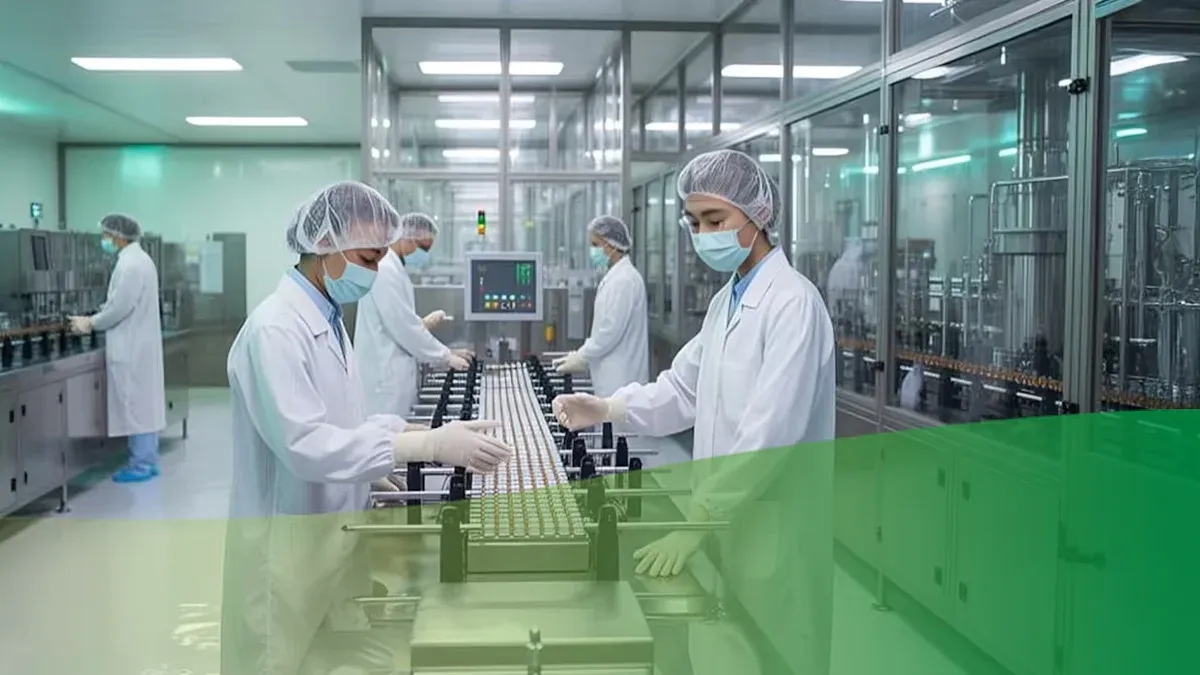
Precision and Speed
Precision and speed play a vital role in capsule filling. Manufacturers rely on automatic capsule machines to deliver consistent results with every batch. Pharmaceutical accuracy ensures that each capsule contains the correct amount of product. This level of control helps companies meet strict industry standards and avoid costly errors.
Modern machines use advanced dosing systems to achieve high dosage accuracy. These systems measure and fill capsules quickly, reducing waste and increasing production efficiency. High-speed operations allow businesses to meet large orders without sacrificing quality. For supplement manufacturing equipment, the ability to maintain both speed and accuracy is essential. Small-scale capsule filling machines also benefit from these features, as they help new businesses grow while keeping quality high.
Tip: Consistent precision and speed reduce product recalls and improve customer trust.
Versatility and Material Handling
Versatility in material handling sets top machines apart. Manufacturers often need to fill capsules with powders, granules, or other materials. A capsule filling machine that adapts to different products increases flexibility and reduces downtime.
Use Case | Description |
|---|---|
Pharmaceutical Manufacturing | Efficiently fills capsules with various formulations, ensuring compliance with regulatory standards. |
Nutraceutical Production | Adapts to different product types, enhancing flexibility in production. |
Dietary Supplements | Maintains quality while scaling production, showcasing versatility in handling materials. |
Many automatic capsule filling machines can handle both gelatin and vegetarian capsules. Minimal adjustments are needed when switching between capsule materials. Similar filling and sealing mechanisms help maintain operational efficiency. Supplement manufacturing equipment with these features supports a wide range of products, making it easier for companies to respond to market changes.
Maintenance and Service Life
Regular maintenance keeps machines running smoothly and extends their service life. Capsule filling equipment requires routine checks and timely replacement of worn parts. This approach prevents breakdowns and ensures consistent capsule quality.
Regular Maintenance Checks: Inspect tamping pins, dosing discs, seals, and electrical systems.
Replacement of Worn Parts: Change parts as needed or as recommended by the manufacturer.
Calibration of Dosing Systems: Maintain fill weight accuracy through regular calibration.
Testing Capsule Integrity: Check capsules for proper filling and sealing.
Predictive Maintenance: Use data to predict when maintenance is needed.
Component Type | Expected Service Life |
|---|---|
Internal Cams | Exceeding 100,000 hours |
External Cams | Every 20,000 hours |
Machines with modular designs make maintenance easier. Quick replacement of key parts reduces downtime and keeps production on schedule. Supplement manufacturing equipment with long service life offers better value and reliability.
Advanced Technology: CFK Series by Aligned Machinery
The CFK Series Smart Automatic Capsule Filling Machine from Aligned Machinery brings advanced technology to the industry. This machine features a patented copper pad design that reduces powder leakage during capsule filling. The copper pad helps conserve raw materials and improves overall efficiency.
A modular design allows for fast maintenance. Operators can replace the filling station in just 10 minutes. The machine can switch from powder to granule filling in only 15 minutes. This flexibility supports a wide range of production needs.
The CFK Series uses a robust internal cam system fixed to a thickened base. This design ensures high stability during operation. An easy-to-clean mold and air blowing device minimize dust, which lowers capsule rejection rates. The locking device adds extra cleanliness to the finished capsules.
Manufacturers can customize the CFK Series with auxiliary equipment, such as automatic capsule feeders, vacuum feeders, metal detectors, polishing machines, and lifters. This adaptability makes it a strong choice for supplement manufacturing equipment.
Recent trends in automatic capsule machine technology include AI integration, automation, sustainability, and Industry 4.0 adoption. The CFK Series aligns with these trends by offering user-friendly controls, energy-efficient operation, and features that support regulatory compliance.
Note: The CFK Series Smart Automatic Capsule Filling Machine combines speed, precision, and versatility, making it a reliable investment for businesses focused on quality and efficiency in capsule production.
Comparing Capsule Filling Machine Options
Essential Specifications
When comparing capsule filling machine models, manufacturers should focus on key specifications. These factors help ensure consistent quality and efficient production. The table below highlights important specifications to consider:
Specification | Description |
|---|---|
Equal weight of different capsules | Ensures consistency in dosage across capsules of the same product. |
Uniform closure of the capsules | Guarantees that all capsules are properly sealed to prevent contamination. |
Uniform appearance of capsules | Aesthetic consistency is important for product quality and branding. |
Proportional rejection of capsules | Minimizes waste by ensuring that the rejection rate is not excessively high. |
Expected output rate of the capsules | Indicates the efficiency and productivity of the machine. |
General physical appearance of capsules | Reflects the quality of the encapsulation process. |
Manufacturers should also check for gmp compliance and regulatory standards. These ensure the capsule filling process meets industry requirements.
Pros and Cons of Popular Models
Popular automatic capsule machine models offer a range of benefits and challenges. The table below summarizes common advantages and disadvantages:
Advantages | Disadvantages |
|---|---|
High Production Speed | High Initial Investment |
Better Accuracy and Consistency | Maintenance and Repairs |
Lower Labor Costs | Need for Skilled Operators |
Clean and Hygienic Production | Limited Flexibility with Some Models |
Versatility for Different Products |
User reviews often highlight the reliability and effectiveness of these machines. Many users report improved operational efficiency and easier integration with supplement manufacturing equipment. Case studies show that capsule filling machines can boost production quality and help companies meet regulatory standards.
Why Choose Aligned Machinery
Aligned Machinery’s CFK Series stands out in the market for several reasons. This capsule filling machine delivers industrial-scale output while maintaining high accuracy and low rejection rates. The patented copper pad design reduces powder leakage, which helps control costs and conserve materials. The modular structure allows for quick maintenance, minimizing downtime.
Manufacturers can customize the CFK Series with auxiliary equipment to fit specific supplement manufacturing equipment needs. The machine supports both small-scale and large-scale production, making it suitable for a wide range of applications. Its robust construction ensures long service life and stable operation. The CFK Series also meets gmp and regulatory requirements, providing peace of mind for companies focused on quality and compliance.
Note: Choosing the right capsule filling machine can improve efficiency, reduce waste, and support business growth.
Practical Buying Considerations
Budget and Value
Buyers should weigh both initial costs and long-term value when selecting an automatic capsule machine. Several key considerations before purchasing include the type of product, container size, required output, and material compatibility. The following list outlines important factors:
Type of product: Different capsules may require unique filling methods.
Container size and shape: The machine must fit various capsule formats.
Required output: Daily production needs affect machine choice.
Material compatibility: Machine parts should suit the product to avoid issues.
Budget and ROI: Consider both upfront costs and future savings.
New capsule filling machines range from $15,000 to $150,000, depending on capacity and features. Used machines cost less but may lack advanced options. High-performance models for large-scale production sit at the higher end. Small-scale capsule filling machines offer cost-effective solutions for small batch production.
Regulatory Compliance
Capsule filling machines must meet strict regulatory standards. These standards ensure quality control and freshness for every capsule. The table below highlights common requirements:
Evidence Description | Regulatory Standard |
|---|---|
All contact parts meet FDA/EMA standards | FDA/EMA |
Machine structure supports easy disassembly for cleaning | GMP |
Compliance with GMP and FDA is essential | GMP, FDA |
GMP-compliant stainless-steel design | GMP |
Navigating regulatory considerations helps companies avoid penalties and maintain product safety.
After-Sales Support
After-sales support plays a vital role in long-term success. Leading suppliers offer services such as installation, training, and maintenance. Aligned Machinery has built a strong reputation for reliable support and responsive service. Buyers should look for warranty coverage and ongoing technical help to keep capsule filling operations running smoothly.
Scalability for Growth
Production volume and scalability matter for growing businesses. Modern capsule filling machines adapt to changing needs. Features like AI-driven systems and modular designs allow quick transitions between product lines. This flexibility supports optimal techniques for powder capsule filling and helps companies respond to market trends. Scalability ensures the machine remains valuable as production grows.
Tip: Choosing a capsule filling machine with strong after-sales support and scalability features prepares businesses for future expansion.
Buyer’s Checklist for Automatic Capsule Machines

Quick Reference Guide
A well-prepared checklist helps buyers make informed decisions when selecting an automatic capsule machine. The following points guide manufacturers through the most important steps:
Assess the machine’s technological compatibility and innovation. Modern features improve efficiency and product quality.
Verify compliance with current industry standards. Future-proof features ensure the machine remains valuable as regulations change.
Evaluate vendor support, including training and after-sales services. Reliable support reduces downtime and keeps production on track.
Analyze the total cost of ownership. Consider both the initial investment and long-term return on investment.
Consider scalability and integration with existing systems. Machines that adapt to growth support business expansion.
Review production capacity and daily output. Confirm the machine meets your needs for capsules per shift.
Check technical specifications and included accessories. Ensure the machine can handle different capsule sizes and materials.
Investigate installation requirements and power consumption. Proper planning prevents unexpected costs.
Read brand reviews and user feedback. Positive experiences from other buyers indicate reliability.
Confirm the ability to change encapsulation tooling for different capsule shapes. Flexibility supports a wider product range.
Tip: Small-scale capsule filling machines offer flexibility for businesses starting with lower production volumes.
Common Mistakes to Avoid
Many buyers overlook critical details when purchasing an automatic capsule machine. The table below highlights frequent mistakes and their impact:
Mistake Type | Description |
|---|---|
Inconsistent Standard Compliance | Buyers may ignore important specifications, risking product quality. |
Overstated Specifications | Some suppliers exaggerate machine performance, leading to inefficiencies. |
Inflated Output Claims | Machines may not reach advertised capacities, causing bottlenecks. |
Critical Design Flaws | Poor engineering can result in equipment failures and safety issues. |
Documentation Void | Incomplete manuals make operation and maintenance difficult. |
Phantom After-Sales Support | Lack of support and spare parts can lead to long downtimes. |
Fraudulent Substitution of Components | Inferior parts may replace quality components, affecting machine control and reliability. |
Buyers can avoid these pitfalls by verifying documentation, checking the authenticity of components, and commissioning engineers to review user manuals. Proactive steps ensure the chosen capsule machine delivers consistent performance and supports both small-scale and large-scale production needs.
Selecting the best automatic capsule machine requires careful attention to several factors. Buyers should look for equipment with smooth, cleanable materials and a solid frame. Easy cleaning and maintenance help reduce downtime. Long-term costs matter more than the initial price. Precision, speed, and versatility support high-quality capsule production. Machines that grow with a business offer lasting value.
Industry experts recommend these steps for a confident purchase:
Review product specifications and production needs.
Choose a manufacturer with strong support and training.
Share production details for tailored advice.
Match the machine to the product type.
Select a model with suitable speed and capacity.
Aspect | Description |
|---|---|
Sustainable Materials | Plant-based capsules meet vegan demand and lower animal use. |
Innovative Production | Energy-efficient technology cuts operational costs. |
Waste Minimization | Lean systems improve efficiency and reduce waste. |
Transparency | Clear product information builds consumer trust. |
Consulting trusted suppliers like Aligned Machinery helps buyers make informed decisions. Prioritizing efficiency, quality, and long-term value leads to success in capsule manufacturing.
FAQ
What capsule sizes can the CFK Series Smart Automatic Capsule Filling Machine handle?
The CFK Series supports capsule sizes from 00# to 5#. This range allows manufacturers to produce a variety of products for different markets.
How does the copper pad design benefit capsule production?
The patented copper pad design reduces powder leakage. This feature helps conserve raw materials and improves production efficiency.
Can the CFK Series switch between powder and granule filling quickly?
Operators can switch from powder to granule filling in just 15 minutes. The modular design makes this process fast and easy.
What maintenance features does the CFK Series offer?
The CFK Series uses a modular filling station. Operators can replace the station in 10 minutes. This design reduces downtime and keeps production running smoothly.
Does Aligned Machinery provide after-sales support for the CFK Series?
Aligned Machinery offers installation, training, and technical support. Buyers receive help with maintenance and troubleshooting to ensure reliable operation.