How Automated Chicken Nugget Inspection Is Revolutionizing Quality Control
Chicken nugget inspection relies on advanced AI and computer vision to evaluate each product for defects, shape, and consistency. These automated systems use high-speed imaging and sensors to scan, sort, and grade nuggets. Manufacturers trust this technology to ensure strict quality control and maintain food safety standards.
Chicken Nugget Inspection: How It Works
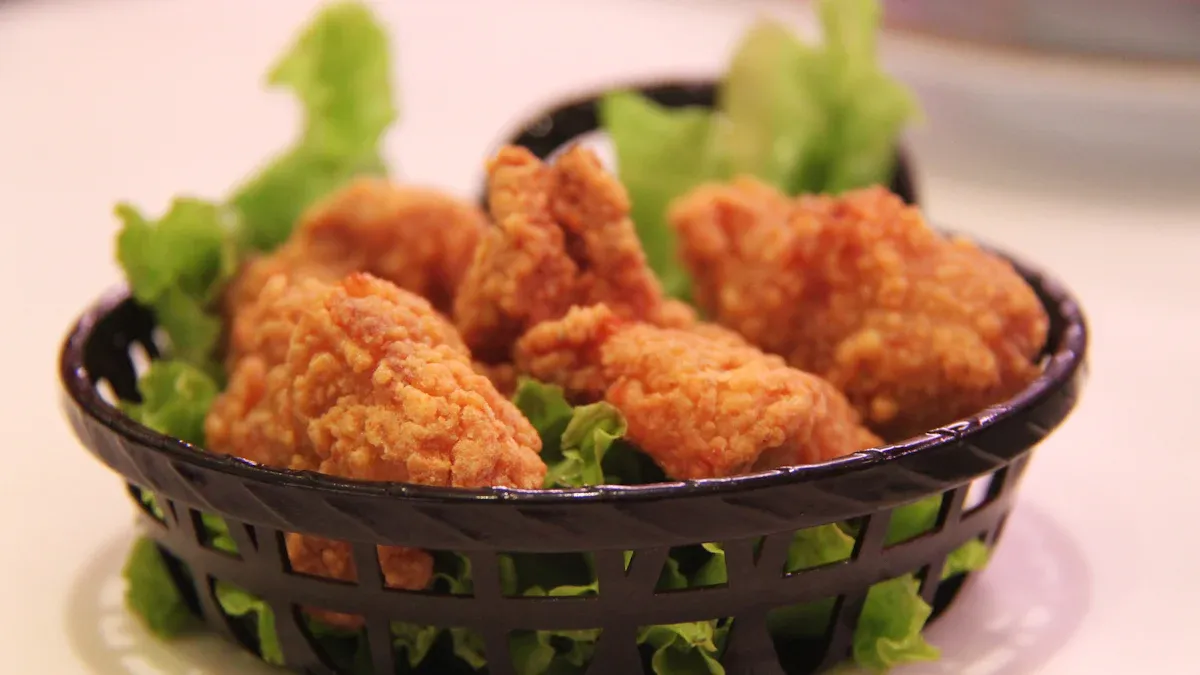
AI and Computer Vision in Inspection
Modern chicken nugget inspection systems rely on AI and computer vision to deliver precise quality control. These technologies use advanced imaging and machine learning to analyze every nugget on the production line. The process involves several key steps:
- AI-driven vision systems scan each nugget for defects, such as irregular shapes or surface imperfections.
- Hyperspectral imaging technology detects foreign materials that may not be visible to the human eye.
- Automated inspection covers 100% of the products, ensuring that no nugget escapes scrutiny.
- In-line systems can instantly reject nuggets that do not meet quality standards, which helps maintain production speed.
- These inspection systems connect with manufacturing controls to alert operators about potential issues.
Chicken nugget inspection with AI and computer vision ensures that only products meeting strict criteria reach consumers. This approach reduces human error and supports consistent quality.
3D Imaging and Laser Technology
3D imaging and laser technology play a crucial role in chicken nugget inspection. These tools measure the shape, size, and surface texture of each nugget with high accuracy. Lasers scan the nuggets as they move along the conveyor, creating detailed 3D models in real time. This process allows the system to detect even minor deviations from the desired specifications.
Manufacturers use 3D imaging to verify that each nugget matches the required dimensions. The technology also identifies surface defects, such as cracks or uneven breading. By capturing precise measurements, 3D imaging helps maintain uniformity across large batches. Laser technology enhances the detection of subtle flaws that traditional cameras might miss.
Real-Time Sorting and Grading
Real-time sorting and grading systems ensure that chicken nugget inspection remains efficient and reliable. These systems use data from AI, computer vision, and 3D imaging to make instant decisions. As nuggets pass through the inspection area, the system assigns grades based on quality parameters like size, shape, and appearance.
Automated sorters separate nuggets into different categories, such as premium, standard, or reject. This process happens at high speed, supporting large-scale production without delays. Real-time grading helps manufacturers meet customer expectations and regulatory requirements. Operators receive immediate feedback, allowing them to address any issues quickly.
Note: Real-time sorting and grading not only improve product consistency but also reduce waste by ensuring that only out-of-spec nuggets are removed from the line.
Chicken nugget inspection systems that combine AI, 3D imaging, and real-time sorting set a new standard for quality control in food processing.
Key Features and Technologies in Chicken Nugget Inspection
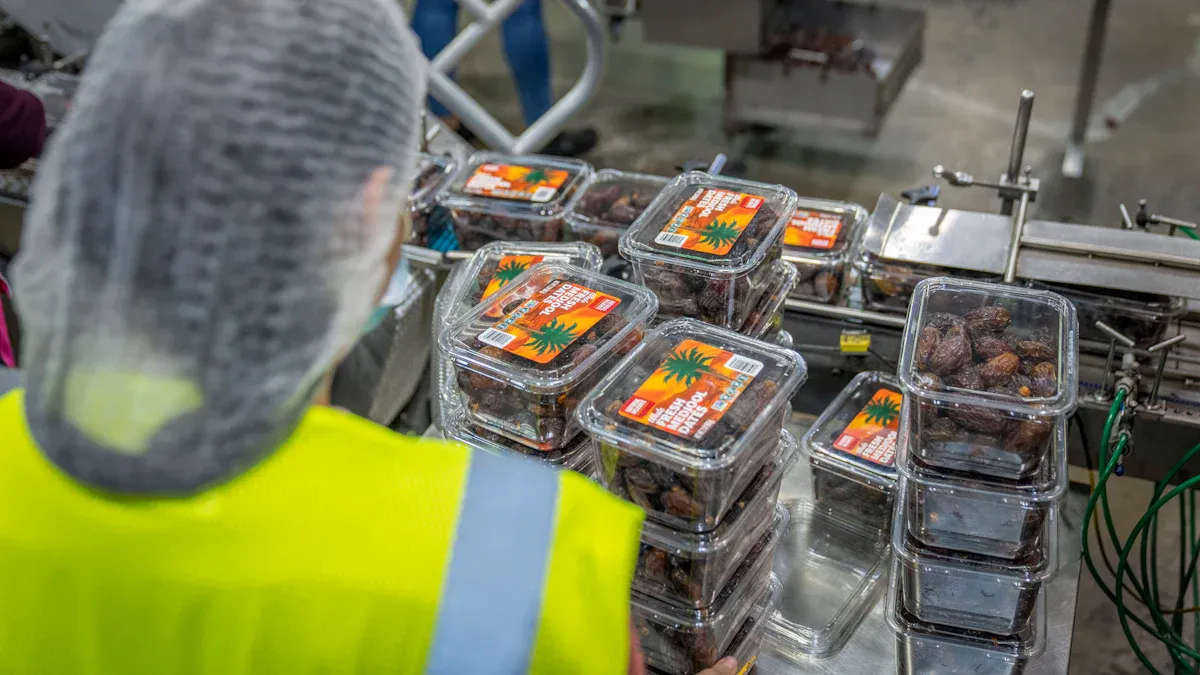
Breading Coverage Analysis
Automated breading coverage analysis ensures every chicken nugget receives a uniform coating. An automatic breading machine applies an even layer of batter or breadcrumbs to each piece. This process reduces manual labor and increases consistency. Uniform breading improves product appearance and taste, which supports brand reputation.
A controlled coating process also enhances efficiency and minimizes waste.
Shape, Size, and Weight Verification
Inspection systems verify that each nugget meets strict shape, size, and weight standards. These systems use advanced sensors to measure every piece as it moves along the line. The typical tolerance for shape, size, and weight is ±2%. This high level of precision ensures consistent portioning and quality.
The table below highlights key features that set automated inspection apart from manual methods:
| Feature | Description |
|---|---|
| Optimized nugget portioning | Consistent size and weight for better quality control |
| Uniform, automated production | Reduces variability and ensures consistent quality |
| Lowest giveaway | Minimizes excess product loss |
| Reduces manual labor | Lowers labor costs and increases efficiency |
Color Consistency Checks
Color consistency checks play a vital role in quality control. These checks help maintain sensory appeal and consumer satisfaction.
- Consistent color signals freshness and proper cooking.
- Variations in color may indicate changes in quality or the presence of additives.
- Reliable color evaluation supports marketability and brand trust.
Advanced Sensors and Data Processing
Modern chicken nugget inspection systems use advanced sensors and rapid data processing. These systems can inspect products at speeds up to 120 feet per minute. Technologies such as x-ray and metal detection identify contaminants like bones, glass, or metal fragments.
- X-ray inspection detects bones as small as 2.0mm and metal down to 0.6mm.
- Vision inspection ensures consistent quality and reduces waste.
- User-friendly interfaces and low maintenance requirements make these systems easy to operate and clean.
Automated inspection delivers higher productivity, increased yield, and improved food safety compared to manual inspection.
Benefits of Automated Chicken Nugget Inspection for Quality Control
Improved Consistency and Accuracy
Automated systems deliver a new level of consistency and accuracy in chicken nugget inspection. These systems use objective, real-time feedback to evaluate product characteristics. They do not rely on human judgment, which can vary from person to person. Vision inspection technology quickly assesses color, texture, and consistency. This approach allows for faster and more reliable evaluations than manual inspection.
- Automated systems identify issues with breading quality or cooking oil.
- They help reduce human error and ensure every nugget meets strict standards.
- Consistent inspection supports brand reputation and customer satisfaction.
Reduced Costs and Waste
Manufacturers experience significant cost savings after implementing automation. The following table highlights how automation impacts different aspects of production:
| Aspect of Automation | Description |
|---|---|
| Streamlining Workflows | Automation optimizes resource allocation, reducing inefficiencies and waste in production processes. |
| Predictive Maintenance | Advanced analytics prevent equipment failures, reducing downtime and associated costs. |
| Ingredient and Process Optimization | AI enhances cost-efficiency by generating least-cost formulations and optimizing resource utilization. |
| AI-Powered Vision Systems | In-line inspection improves consistency and speed, reducing labor costs and ensuring product quality. |
AI-driven predictive maintenance also reduces energy use and material waste. Ingredient optimization leads to cost-effective mixture designs. These improvements help manufacturers minimize waste and maximize profits.
Enhanced Productivity and Throughput
Automated inspection systems increase productivity and throughput. They process up to 7,000 pounds of chicken nuggets per hour. Manual inspection cannot match this speed. High throughput rates allow manufacturers to meet growing demand without sacrificing quality.
Automated systems keep production lines moving efficiently, supporting large-scale operations.
Increased Food Safety
Food safety improves with automated chicken nugget inspection. These systems detect foreign materials as small as 1.5 millimeters. They inspect both the top and bottom of each product. An integrated reject system removes defective items from the line. The table below summarizes key safety features:
| Feature | Description |
|---|---|
| Foreign material detection | Identifies low-density materials as small as 1.5 millimeters. |
| Product inspection | Simultaneously inspects the top and bottom of products. |
| Integrated reject system | Automatically removes defective products from the production line. |
| Real-time process improvement | Enhances efficiency and quality control during production. |
| IP69 washdown | Ensures the equipment can withstand high-pressure cleaning. |
| Compact design | Small footprint measuring 4 feet in length, saving space in production areas. |
These features help processors deliver safer products to consumers and comply with food safety regulations.
Automated chicken nugget inspection delivers unmatched precision and efficiency. Processors benefit from:
- The TheiaVu WD-300 system, which increases inspection speed and consistency.
- Sampling rates that surpass manual inspection by tenfold.
- Consistent product quality and reduced labor costs.
| Benefit | Description |
|---|---|
| Reduction in Costs | Automation lowers operational overhead. |
| Highly Flexible Implementation | Modular design optimizes space and efficiency. |
FAQ
How accurate are automated chicken nugget inspection systems?
Automated systems achieve over 99% accuracy. They use advanced sensors and AI to detect defects, ensuring consistent quality and reducing human error.
Can automated inspection systems detect foreign materials?
Yes. These systems identify foreign materials, including bones and metal fragments, as small as 1.5 millimeters. This improves food safety and product reliability.
What maintenance do automated inspection systems require?
Operators perform routine cleaning and calibration. Most systems feature user-friendly interfaces and self-diagnostic tools, which help minimize downtime and ensure optimal performance.
See Also
Essential Industrial Checkweighers For Every Food Manufacturing Facility
Is It Worth Investing In Automated Virus Sampling Lines?
Key Capsule Checkweighers To Consider For Purchase In 2025
Understanding Pharmaceutical Checkweighers And Their Key Characteristics