What You Need to Know About Autoclave Indicator Tape in 2025
Autoclave Indicator Tape acts as a Type 1 chemical indicator for sterilization. When you use this tape, it changes color after exposure to steam, showing that the sterilization process occurred. You can check the table below to see how it compares to other chemical indicators:
| Type | Description |
|---|---|
| Type 1 | Process indicators, like tapes and strips, that indicate exposure to the sterilization process. |
| Type 2 | Indicators for use in specific tests, such as Bowie-Dick test packs. |
| Type 3 | Single-variable indicators that react to a single critical parameter. |
| Type 4 | Multi-variable indicators that react to two or more critical parameters. |
| Type 5 | Integrating indicators that react to all critical parameters and provide a level of assurance like biological indicators. |
| Type 6 | Emulating indicators that are designed to react to all critical parameters for specific cycles. |
- You see immediate visual confirmation, which helps keep patients safe and supports hygiene in hospitals, labs, and other workplaces.
- The tape helps you know when medical waste is ready for safe handling.
How Autoclave Indicator Tape Works
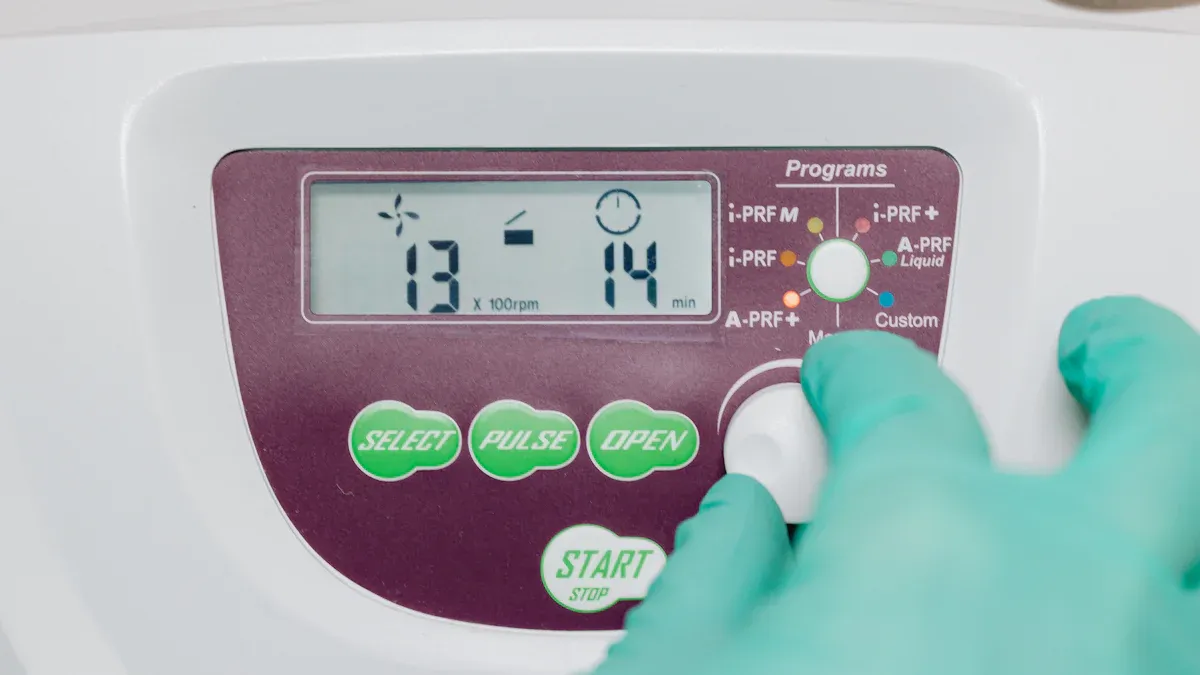
The Science Behind Autoclave Indicator Tape
You might wonder what makes autoclave indicator tape special. The answer lies in its unique design and the science behind it. Manufacturers use several materials to create this tape. Each part has a specific job. You can see the main components and their materials in the table below:
| Component | Material |
|---|---|
| Film | Saturated Crepe Paper |
| Adhesive | Synthetic Elastomer Polyisoprene |
| Indicator Lines | Copper |
| Core | Plastic |
| Color | Natural |
When you place the tape on a package and put it in the autoclave, the tape reacts to the heat and steam. The indicator lines contain chemicals that change when exposed to certain conditions. This reaction helps you know if the package has reached the right temperature for sterilization.
Chemical Indicators and Color Change Process
The magic of autoclave indicator tape comes from its chemical indicators. These indicators respond to heat and steam inside the autoclave. The tape contains a heat-sensitive chemical. When the temperature inside the autoclave reaches about 121°C, the chemical reacts. This reaction causes a visible color change. Usually, the tape changes from white or light yellow to dark brown or black.
Here is a closer look at how this process works:
| Mechanism | Description |
|---|---|
| Heat-sensitive chemical | The tape contains a chemical that reacts to steam exposure. |
| Color change | This reaction results in a visible color change, indicating sterilization. |
| Indicator Composition | The color-changing part often uses lead carbonate. Under heat and steam, it turns into lead(II) oxide. |
| Protective Layer | A resin or polymer covers the chemical. It keeps the chemical safe until the right conditions are met. |
Industry standards say that the tape should change color only when the autoclave reaches the correct temperature and pressure. Most autoclaves run between 121°C and 134°C for 15 to 30 minutes. The color change shows you that the package has been exposed to these conditions.
Tip: Always check the color change after the cycle. If the tape did not change color, the package may not have reached the right temperature.
What Autoclave Indicator Tape Can and Cannot Confirm
Autoclave indicator tape gives you a quick way to check if a package has been exposed to the right conditions. You can see what the tape confirms and what it does not in the table below:
| Condition Confirmed | Description |
|---|---|
| Temperature Reached | Confirms that items have reached the required temperature for sterilization. |
| Duration Not Confirmed | Does not provide information about how long the temperature was maintained. |
| Not a Definitive Check of Sterilization | Indicates that it is not a complete verification of the sterilization process. |
You should know the tape has some limits:
- Autoclave indicator tape only checks the outside of the package.
- It does not tell you if the inside of the package is sterile.
- The tape does not guarantee sterility. It only shows that the package reached the right temperature and pressure.
- For important items, you should use other indicators, like biological indicators, along with the tape.
Note: Use autoclave indicator tape as part of a complete sterilization process. Do not rely on it alone for critical items.
Using Autoclave Indicator Tape: Step-by-Step Guide
Preparing Items for Sterilization
You need to prepare your items carefully before you use autoclave indicator tape. Follow these steps to make sure your instruments are ready for sterilization:
- Clean and dry your instruments right after use. Use warm or cool distilled water and a cleaning solution with a pH below 10. This helps prevent stains and keeps your tools in good shape.
- Decontaminate all instruments. Make sure you remove any debris or residue.
- Open or unlock all jointed instruments. Disassemble any items with multiple parts. This allows steam to reach every surface.
- Lubricate instruments that have metal-to-metal action. Do not lock them during the process.
- Wrap your instruments properly. Use packaging that allows steam to pass through.
- Arrange the items in the autoclave so steam can circulate around each package.
Tip: Always place a chemical indicator inside the package and autoclave indicator tape on the outside. This gives you two ways to check if sterilization conditions were met.
Applying Autoclave Indicator Tape Correctly
You should apply autoclave indicator tape to the outside of each package before placing it in the autoclave. Make sure the tape sticks flat and covers a visible area. Do not wrap the tape too tightly. The tape should not block steam from reaching the package. Place the tape so you can see it easily after the cycle ends.
Reading and Interpreting Results
After the sterilization cycle, check the autoclave indicator tape for a color change. Use the table below to help you understand what you see:
| Visual Cue | Meaning |
|---|---|
| Color change to visible pattern | The temperature reached 121 °C during sterilization. |
| No color change | A problem occurred in the sterilization process. |
| Color change alone | Only shows external temperature, not full sterilization. |
If you see a clear color change, you know the package reached the right temperature. If the tape did not change color, do not use the items. The process may have failed. Remember, autoclave indicator tape only confirms the outside of the package reached the correct temperature. Always use other indicators for critical items.
Autoclave Indicator Tape in Real-World Applications

Key Industries and Settings
You will find autoclave indicator tape in many important industries. These sectors rely on strict sterilization to keep people safe and products clean. Here are some of the main industries that use this tape:
- Healthcare facilities use it to prevent contamination and protect patients.
- Pharmaceutical companies need it to meet strict sterilization rules.
- Food and beverage producers use it to ensure products stay safe for consumption.
- Laboratories depend on it to verify that equipment and samples remain free from harmful germs.
These industries choose autoclave indicator tape because they need reliable proof that sterilization has taken place. You can trust this tape to help meet safety standards and follow regulations.
Common Scenarios for Use
You might see autoclave indicator tape in action in several real-world situations. Some of the most common scenarios include:
- Hospital Central Sterile Supply Departments use the tape for quick visual checks, making sure tools are safe for patients.
- Multi-facility medical equipment distribution centers rely on the tape to keep sterilization standards the same everywhere.
- Medical equipment research and development teams use the tape to confirm that new devices meet quality and safety requirements.
Tip: Using autoclave indicator tape in these settings helps you catch problems early and avoid risks.
Role in Sterilization Protocols
You play a key role in following sterilization protocols. Autoclave indicator tape fits into these protocols by giving you instant feedback. Here is how you might use it:
- Attach the tape to wrapped trays and containers before sterilization. This step helps you check that each item went through the process.
- Use the tape as part of your record-keeping system. You can link the color change to a specific sterilization cycle for better tracking.
- In laboratories, label glassware and equipment with the tape. This practice confirms that everything is ready for safe use in experiments.
Autoclave indicator tape reduces the chance of human error. You get a clear sign that sterilization happened, which keeps your workplace safe and compliant.
Reliability, Limitations, and Best Practices for Autoclave Indicator Tape in 2025
Reliability of Autoclave Indicator Tape
You can trust autoclave indicator tape for a quick visual check of sterilization exposure. Recent improvements in color-change chemistry and adhesive strength make the tape easier to use and more accurate. You now see clearer color changes and better sticking power, even on different packaging materials. The tape works with many sterilization methods, such as steam, ethylene oxide, and dry heat.
However, several factors can affect reliability. The table below shows what you need to watch for:
| Factor | Description |
|---|---|
| Reproducibility of Positioning Not Under Control | If you place indicators or thermocouples differently each time, results may vary. |
| Obstruction of Process Flows | Tape can block steam or air, which may lower sterilization effectiveness. |
| Shredding of Biological Indicators | Applying tape incorrectly can damage other indicators. |
| Ink Remnants from Spore Strips | Leftover ink may contaminate your environment. |
| Tape and/or Glue Remnants | Sticky residue can cause contamination. |
| Stress on Thermocouples | Tape can pull on sensors and affect their readings. |
Tip: Always apply the tape smoothly and avoid covering vents or sensors.
Limitations and What It Does Not Guarantee
Autoclave indicator tape only shows that the package reached the right temperature. It does not confirm that the full sterilization cycle happened or that all germs are gone. Regulatory agencies, such as the CDC and WHO, say that this tape is a Class 1 chemical indicator. It checks for one thing—exposure to heat—but not for complete sterilization.
| Limitation | Description |
|---|---|
| Only Verifies Exposure | Tape shows heat exposure, not full sterilization. |
| Not a Complete Solution | Using only tape does not meet CDC chemical indicator protocols. |
| No Assurance of Sterility | Tape does not guarantee that items are safe to use. |
You should always use other indicators, such as biological or multi-parameter chemical indicators, for critical items.
Updated Best Practices for 2025
You can improve your sterilization process by following these updated best practices:
- Place a chemical indicator inside each pouch or pack, unless the packaging already has one.
- Choose an indicator that is long enough for larger packs so you can find it easily.
- Make sure the indicator is visible after sterilization.
- Use autoclave indicator tape on the outside for quick checks, but always combine it with other indicators for full assurance.
- Take advantage of new tapes with improved color-change and adhesive features.
Remember: Combining visual checks with internal indicators gives you the best protection for your patients and staff.
Autoclave Indicator Tape gives you a simple way to confirm sterilization. You see clear color changes that help you meet safety and quality standards. When you choose tape, check for strong adhesive, accurate indicators, and the right temperature range. The table below shows what to look for:
| Criteria | Description |
|---|---|
| Adhesive Strength | The tape must stick properly to the surfaces being sterilized. |
| Indicator Accuracy | Select tapes which feature dependable chemical indicators with color changes. |
| Temperature Range | Choose a tape that functions effectively within the autoclave’s temperature range. |
| Material Compatibility | Ensure the tape works effectively with all surfaces needing sterilization. |
| Regulatory Compliance | Verify compliance with industry sterilization standards. |
To get the best results, always use the tape with internal indicators and follow updated sterilization steps. This approach keeps your workplace safe and helps you meet regulations.
FAQ
How do you know if autoclave indicator tape worked?
You see a clear color change on the tape after the sterilization cycle. If the tape stays the same color, the package did not reach the right temperature.
Can you reuse autoclave indicator tape?
You cannot reuse autoclave indicator tape. The tape works for one sterilization cycle only. Always use fresh tape for each package.
Does autoclave indicator tape guarantee sterility?
Autoclave indicator tape shows heat exposure. It does not guarantee that items are sterile. You should use other indicators for full assurance.
What should you do if the tape does not change color?
- Do not use the items.
- Check the autoclave settings.
- Run the cycle again with new tape.
- Contact your supervisor if problems continue.
See Also
Best Precoating Options for Filtration Systems in 2025
Essential Safety Guidelines for Storing Nitric Acid
Popular Features of Folder Gluers in 2025 Carton Production