3 Easy Ways Autoclave Indicator Tape Helps You
You want sterilization to be simple and safe. Autoclave Indicator Tape gives you fast results and helps you avoid mistakes. Hospitals and clinics rely on this tape every day.
- Healthcare facilities hold about 53.2% of the sterilization indicator tape market share in 2024.
- Infection control and safety rules increase the need for reliable sterilization.
You use this tape because it makes your job easier and keeps everyone safer.
Autoclave Indicator Tape Ensures Sterilization Success
Visual Proof of Sterilization
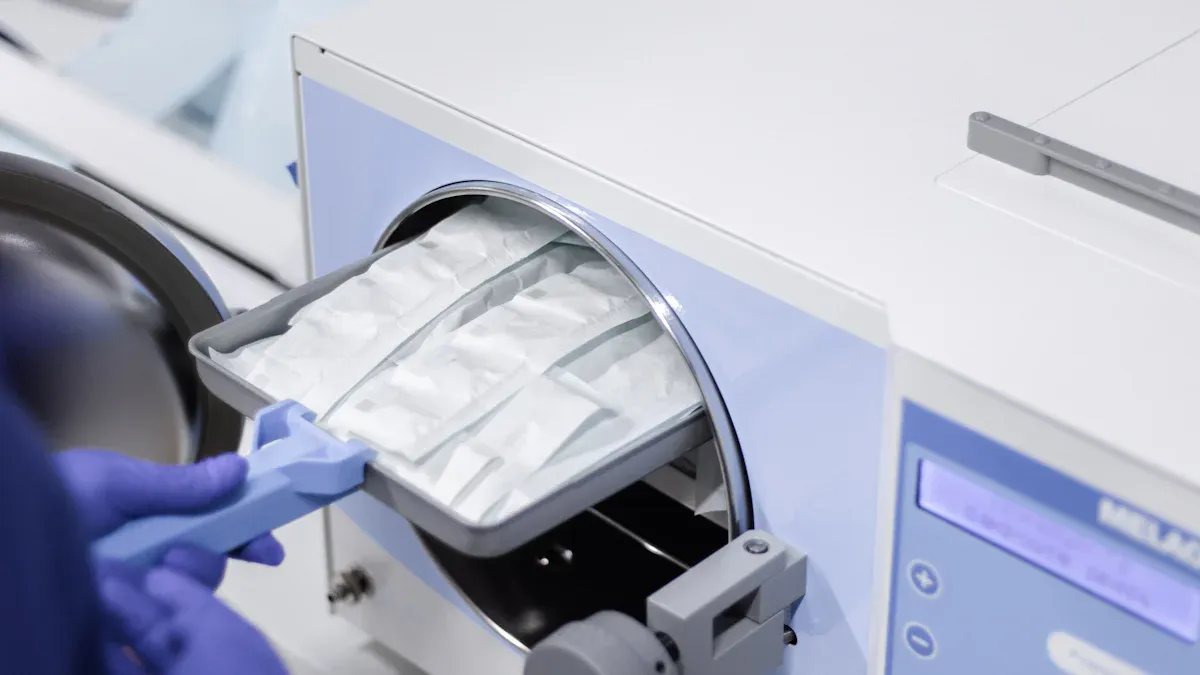
You need a clear sign that your tools are safe to use. Autoclave Indicator Tape gives you that proof. When you run a sterilization cycle, the tape changes color. This change shows you that the process reached the right temperature and pressure. The tape uses special ink that reacts to heat and steam. When the cycle finishes, you see a new color on the tape. This simple change helps you confirm that sterilization is complete. The visible change in the tape allows you to check your work quickly and easily. You do not need to guess or open the package. You can trust the tape to show you that your instruments are ready.
The visible change in autoclave tape allows for an uncomplicated yet effective way to confirm that the sterilization cycle has been completed, thereby maintaining process integrity and accountability.
Easy Identification of Sterilized Items
You want to find sterilized items fast. Autoclave Indicator Tape makes this easy. You can spot which packs have gone through the autoclave just by looking at the tape. This saves you time and helps you avoid mistakes. You do not need to open each package or check a logbook. The tape gives you a quick visual check.
Here is how autoclave indicator tape compares to other methods:
| Feature | Description |
|---|---|
| Class 1 Process Indicator | Provides visual confirmation of exposure to sterilization through color change. |
| Chemical Indicator | Contains chemicals that react to sterilization parameters, causing a visible change. |
| Exposure Monitoring | Assures that the pack has undergone the sterilization cycle without opening it. |
| Convenience | Allows quick visual checks without needing to open packages or check records. |
Reliable Color Change Technology
You rely on technology that works every time. Autoclave Indicator Tape uses chemical indicators that react to heat and pressure. The ink changes color when exposed to temperatures between 121°C and 134°C for 15 to 30 minutes. This reaction tells you that the tape has met the right conditions for sterilization. The tape does not test for live germs like biological indicators, but it gives you a fast and reliable sign that the process worked.
| Aspect | Biological Indicators | Chemical Indicators |
|---|---|---|
| Test Focus | Directly kills live microbes | Detects physical/chemical conditions |
| Result Type | Definitive (growth/no growth) | Presumptive (pass/fail based on change) |
| Accuracy | Gold standard for efficacy validation | Limited to parameter detection |
You can trust autoclave indicator tape to help you keep your work safe and organized.
Autoclave Indicator Tape Saves Time and Reduces Errors
Quick Sorting and Organization
You want to keep your work area neat and efficient. Autoclave Indicator Tape helps you sort and organize tools quickly. When you see the tape change color, you know which packs are ready to use. You do not have to open each package or check a list. You can group sterilized items together and store them safely. This simple step saves you time every day.
Tip: Place all items with changed tape in one bin. This makes it easy to grab what you need during busy times.
Streamlined Instrument Management
Managing many instruments can feel overwhelming. You need a way to keep track of what is safe to use. Autoclave Indicator Tape gives you a clear signal. The tape changes color when exposed to the right heat and moisture. This lets you see at a glance which items are ready. Staff can move faster and make fewer mistakes.
Here is how the tape helps you manage instruments:
| Description | How It Helps You Manage Instruments |
|---|---|
| Tape changes color with heat and moisture | Gives you quick proof that sterilization is complete |
| Tape acts as an external indicator | Lets you spot safe items without opening packages |
| Tape reduces human mistakes | Ensures you only use items that have been properly sterilized |
You can trust this process to keep your workflow smooth and safe.
Minimizes Mistakes in Sterilization
Mistakes in sterilization can put patients and staff at risk. You want to avoid using unsterilized tools. Autoclave Indicator Tape helps you catch errors before they happen. The clear color change shows you if an item missed the sterilization cycle. You do not have to guess or rely on memory. This reduces the chance of using unsafe instruments.
- You save time by not double-checking every item.
- You lower the risk of infection.
- You help your team follow safety rules.
Using this tape makes your job easier and helps you protect everyone in your care.
Autoclave Indicator Tape Promotes Safety and Compliance
Supports Safety Protocols
You want to follow safety protocols every time you sterilize tools. Autoclave indicator tape helps you do this by giving you a quick way to check if the right temperature was reached. When you use the tape, you place it on the outside of each load. The tape changes color or shows markings when the temperature hits 121°C. This lets you know the load reached the right heat for sterilization. If the tape does not change, you know the load is not safe to use.
- The tape changes color or displays markings at 121°C.
- You place it on the outside of the waste load to monitor the temperature.
- If the tape does not show the right change, you should not use the load.
- You must use heat-sensitive tape for every load to confirm steam sterilization.
- The tape shows the right temperature but does not confirm pressure or time.
Note: You should not rely only on the tape. It does not prove that all germs are gone, but it helps you follow safety steps.
Helps Meet Regulatory Requirements
You need to meet rules set by health authorities. Using autoclave indicator tape helps you show that you follow these rules. Many guidelines require you to use a visual indicator for every sterilization cycle. The tape gives you a record that you checked each load. This makes it easier to pass inspections and audits. You can show that you used the right process for every batch.
- The tape provides quick visual confirmation that sterilization conditions have been met.
- It is useful for non-critical tools and supports regular cycle monitoring.
- You do not need to use biological tests every time, but the tape helps you keep up with daily checks.
Protects Staff and Patients
You want to keep everyone safe. When you use autoclave indicator tape, you lower the risk of infection for both staff and patients. The tape helps you avoid using unsterilized items. This leads to better safety outcomes.
| Compliance Rate | Before Using Tape | After Using Tape |
|---|---|---|
| Percentage | 10% | 95% |
This table shows that compliance rates rise from 10% to 95% when you use the tape. You help protect your team and those in your care by making sure only safe, sterilized tools get used.
Choosing the Right Autoclave Indicator Tape
Types of Indicator Tape Available
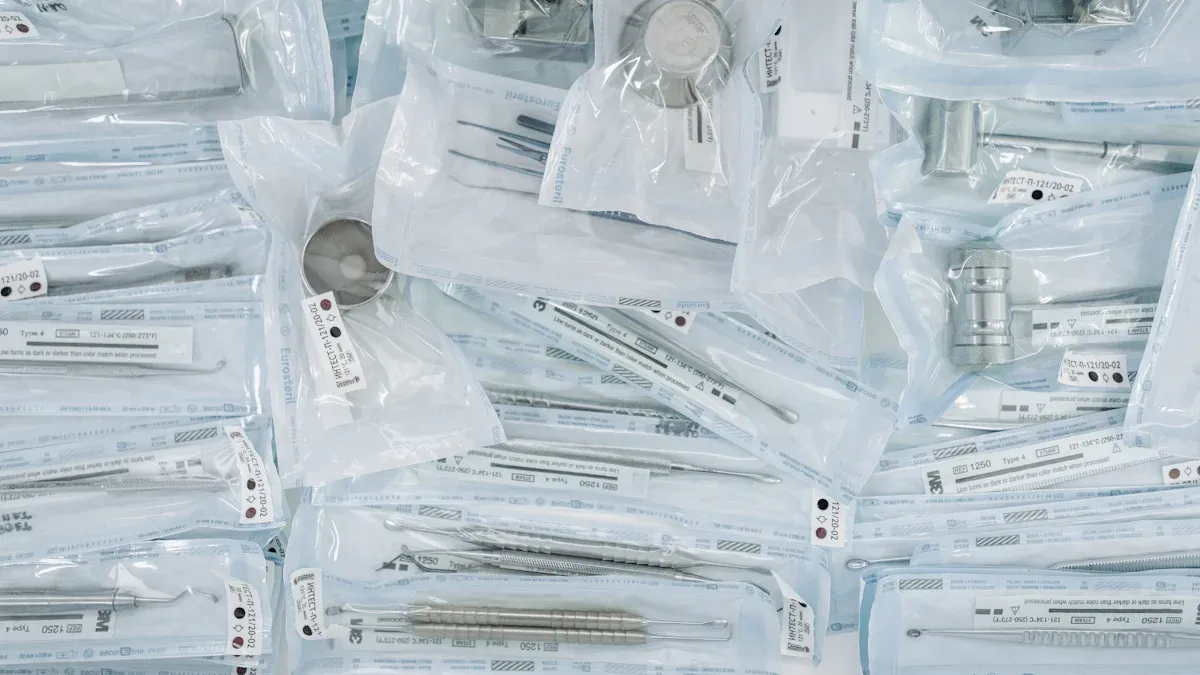
You can find several types of indicator tape for different sterilization needs. Each type works best with a specific method. Some tapes react to steam, while others work with dry heat. You also have options that show more details about the sterilization process. The table below helps you compare the main types:
| Type of Tape | Sterilization Method | Features |
|---|---|---|
| Steam Sterilization Tape | Steam | Displays a color change when exposed to saturated steam at proper temperature and pressure. |
| Dry Heat Sterilization Tape | Dry Heat | Reacts to higher temperatures and longer durations required for dry heat sterilization. |
| Class 1 (Process Indicators) | General | Indicates that items have undergone sterilization but lacks details on specific parameters. |
| Class 4–6 (Multi-Parameter Indicators) | Multi-Parameter | Provides comprehensive data on various sterilization parameters, enhancing confidence. |
Tip: Always match the tape type to your sterilization method for the best results.
Features to Look For
When you choose indicator tape, look for features that fit your workflow. You want tape that sticks well and shows a clear color change. Some tapes offer extra details about temperature or time. Others work with many types of packaging. Price matters, too. The table below shows how much you might pay for different indicators:
| Type of Indicator | Price |
|---|---|
| Autoclave Indicator Tape | $8.95 |
| Biological Indicator (Essential Protein Test) | $120 |
| Biological Indicator (BY-204) | $39 |
You save money by using indicator tape instead of more expensive biological tests. You also get fast results.
Safe and Effective Use Tips
You want to use tape that keeps your process safe and simple. Always store tape in a cool, dry place. Check the expiration date before use. Place the tape on the outside of each pack so you can see the color change. After sterilization, check the tape before using any item.
Keep in mind that traditional tapes may not break down in the environment. Their materials and adhesives can add to pollution. Some new tapes use eco-friendly materials, but you should always check if they meet your safety needs.
Note: Never use tape as your only check. Combine it with other safety steps for the best protection.
Common Questions About Autoclave Indicator Tape
How the Tape Works
You might wonder how this tape shows that sterilization has happened. Autoclave indicator tape uses heat-sensitive ink. When the temperature in the autoclave reaches 121°C, the ink changes color. This color change creates a visible pattern on the tape. If you do not see the color change, the sterilization process did not reach the right temperature.
- The tape sits on the outside of your sterilization packs.
- The ink reacts to heat and steam, not just time.
- The color change means the pack reached the right temperature.
"Just because autoclave tape changes color, that doesn’t mean it’s sterilized—it just means the outside of the item has reached the temperature of interest. It doesn’t mean the core of your sample has, and it doesn’t mean that the coldest part of your sample has held at the required temperature."
Compatibility with Different Instruments
You can use this tape in many settings. Hospitals and clinics use it to keep surgical tools sterile. Laboratories rely on it for glassware and other equipment. Dental practices use it to check that dental tools are safe. The pharmaceutical industry uses it for both equipment and packaging.
- Hospitals and clinics: For surgical instruments and medical devices.
- Laboratories: For glassware and lab tools.
- Dental practices: For dental instruments.
- Pharmaceutical industry: For equipment and packaging materials.
This wide compatibility makes the tape a helpful tool in many fields.
Storage and Handling Advice
You want your tape to work every time. Store autoclave indicator tape in a cool, dry place. Keep it away from direct sunlight and harmful chemicals. Make sure the tape sticks well during the sterilization cycle. After use, the tape should peel off easily without leaving sticky residue. Always check that the color change is clear and easy to see.
- Store in a cool, dry environment.
- Avoid sunlight and chemicals.
- Ensure strong adhesion and easy removal.
- Look for a clear color change after sterilization.
Sometimes, tape or glue can leave behind residue. This can cause contamination or affect your results. If you tear the tape off too quickly, you might damage the packaging or even contaminate the contents. Place the tape carefully and remove it gently to avoid problems.
"It can be at the temp you need, but if it’s not saturated with steam, it takes something like 16 hours [to sterilize] … instead of 15 to 20 minutes. It’s that incredible energy from saturated steam versus dry air that makes an autoclave so magical. All this tape says is that this has been in the autoclave and someone turned it on. That’s all you know. You don’t know it’s sterile."
You can trust Autoclave Indicator Tape to make your sterilization process safer and easier. This tape gives you quick proof that your tools are ready to use. You avoid mistakes and keep your team safe. Many hospitals use this tape to meet strict safety rules and prevent infections.
| Statistic/Fact | Description |
|---|---|
| Infection Control | Autoclave indicator tape plays a crucial role in preventing healthcare-associated infections (HAIs), which affect approximately 1 in 31 hospital patients daily. |
| Compliance with Regulations | The demand for autoclave indicator tape is driven by stringent sterilization protocols in healthcare facilities, ensuring adherence to safety standards. |
| Market Growth | The global market for autoclave indicator tape is expanding due to increased medical procedures and a focus on hygiene, indicating a promising future for the industry. |
- You get immediate visual confirmation that sterilization conditions have been met, which helps prevent workflow mistakes.
- Placing indicators in the right spots makes your process more reliable.
Choose this simple tool for a safer, more reliable workflow.
FAQ
How do you know if autoclave indicator tape worked?
You see the tape change color after the sterilization cycle. This color change means the tape reached the right temperature. If the tape does not change, you should not use the items.
Tip: Always check the tape before using any tools.
Can you use autoclave indicator tape with all packaging types?
You can use the tape on most wraps, pouches, and packs. The tape sticks well to paper, cloth, and plastic. Make sure the tape stays in place during the cycle.
- Test the tape on new materials before regular use.
Does autoclave indicator tape prove items are sterile?
No, the tape only shows that the outside reached the right temperature. It does not guarantee that all germs are gone. You should use other tests for full proof of sterilization.
How should you store autoclave indicator tape?
Store the tape in a cool, dry place. Keep it away from sunlight and chemicals. Check the expiration date before use. Good storage helps the tape work every time.
Note: Old or damaged tape may not show a clear color change.
See Also
Essential Industrial Checkweighers For Every Food Manufacturing Facility
Comprehensive Guide To Choosing The Right Tablet Sampling Machines
Best Practices For Safely Storing Nitric Acid In Facilities
Is Investing In Automated Virus Sampling Tube Assembly Worth It?
Innovative Folder Gluer Features To Watch In 2025 Carton Production