Can Applications of DDI Make Fabrics Better?
You can see real improvements in textiles when you explore applications of DDI (DIMERYL-DI-ISOCYANATE). You benefit from stronger, softer, and longer-lasting fabrics. Applications of DDI (DIMERYL-DI-ISOCYANATE, CAS No. 68239-06-5) in High-Performance Materials give you better comfort and durability every day.
Key Takeaways
- DDI enhances fabric durability, making clothes stronger and longer-lasting. This means your favorite items can withstand wear and tear over time.
- Fabrics treated with DDI offer improved comfort. They stay soft, flexible, and water-repellent, ensuring you feel good in any situation.
- Choosing DDI-treated fabrics supports eco-friendly production. You help the environment by opting for textiles that use safer, renewable materials.
How Applications of DDI (DIMERYL-DI-ISOCYANATE) Improve Fabric Quality
Enhanced Durability
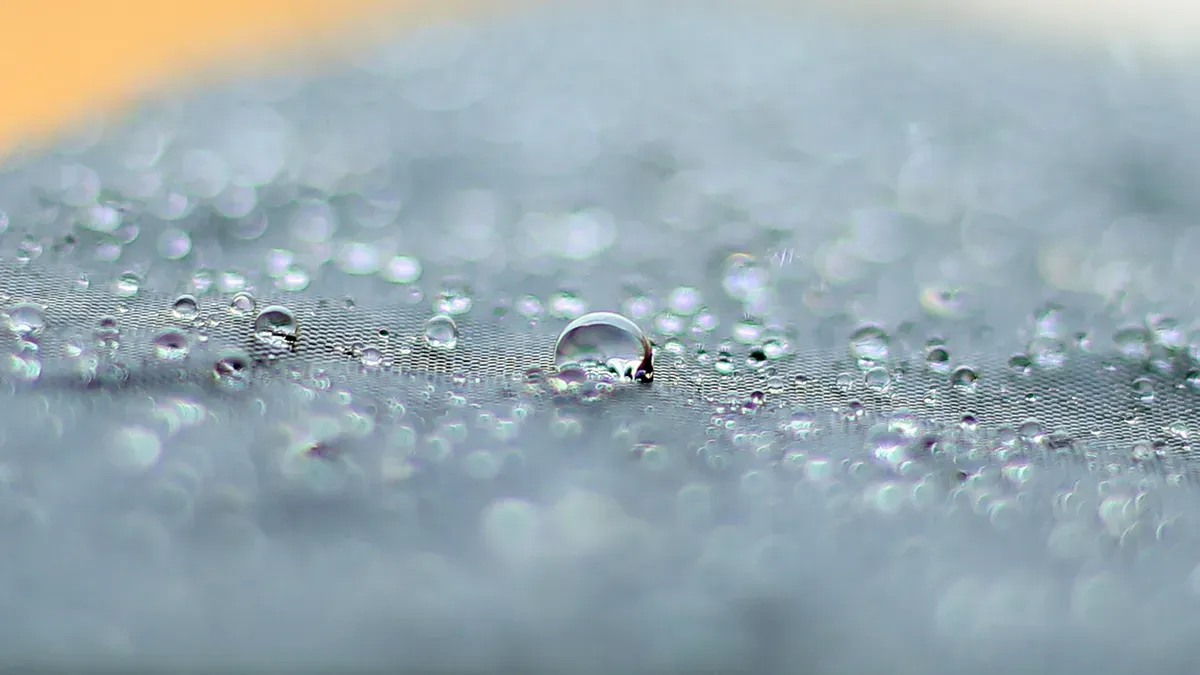
You want your fabrics to last longer and stay strong, even after many uses. Applications of DDI (DIMERYL-DI-ISOCYANATE) help you achieve this goal. DDI gives fabrics a special kind of flexibility and impact resistance. This means your clothes and textiles can handle stress and stretching without breaking down. DDI also protects fabrics from water and weather, so they do not wear out quickly when exposed to moisture or sunlight. You can see the main benefits in the table below:
| Key Benefits | Description |
|---|---|
| Flexibility & Impact Resistance | Enhances the ability to withstand stress and deformation. |
| Hydrolytic & Weather Stability | Provides resistance to moisture and environmental factors. |
| Low Volatility & Safe Processing | Ensures safer handling and application in textile production. |
When you choose fabrics made with DDI, you get products that stay strong and look new for a longer time.
Improved Comfort
Comfort matters to you every day. Applications of DDI (DIMERYL-DI-ISOCYANATE) make fabrics softer and more pleasant to wear. DDI helps fabrics repel water, so you stay dry even in wet conditions. Your clothes keep their strength and flexibility, which means they move with you and do not feel stiff. DDI also works well with different polymers, creating materials that stretch and bend easily. Here are some ways DDI improves comfort:
- DDI enhances the water-repellent properties of fabrics, keeping you dry.
- Fabrics treated with DDI stay strong and flexible, even when wet.
- DDI helps create elastic materials that adjust to your movements.
- DDI provides long-lasting flexibility, so your clothes feel soft for a long time.
- It improves the water and oil repellent effects, making fabrics easier to clean.
- DDI forms stable emulsions with water, which helps make the fabric treatment process smoother.
You notice the difference when you wear clothes that use DDI. They feel softer, stretch better, and keep you comfortable in many situations.
Better Aesthetic Properties
You want your fabrics to look good as well as feel good. Applications of DDI (DIMERYL-DI-ISOCYANATE) help fabrics keep their color and appearance over time. DDI has a non-yellowing property, so your clothes stay bright and do not fade easily. This is important for items that need to look new, like uniforms, sportswear, or fashion pieces. DDI also makes fabrics smoother and more even, giving them a high-quality finish. When you choose textiles treated with DDI, you get products that look fresh and stylish for longer.
You can trust that DDI helps fabrics keep their shape, color, and smoothness. This means your clothes and textiles not only last longer but also look better every day.
Industry Applications of DDI (DIMERYL-DI-ISOCYANATE) in Fabric Manufacturing
Smart Textiles
You see smart textiles changing the way you use fabrics every day. Applications of DDI (DIMERYL-DI-ISOCYANATE) help create materials that respond to your needs. These fabrics can sense temperature, moisture, or movement. You find them in sportswear, medical devices, and even in your car seats. DDI gives these textiles flexibility and strength. You get clothes that stretch, bend, and last longer. Many industries use DDI to make smart textiles better:
- Automotive: Used in coatings and adhesives for vehicles.
- Electronics: Added to materials that need UV resistance and chemical stability.
- Industrial: Applied in elastomers and foams for tough, flexible products.
Sustainable Production
You want fabrics that are safe for you and the planet. DDI supports green manufacturing. You see less pollution because DDI replaces harmful chemicals like VOCs and HAPs. Factories use DDI to make waterborne and high-solid polyurethane products. These products meet strict environmental rules. DDI can also come from renewable sources, which helps protect natural resources. You help the environment when you choose fabrics made with DDI.
- DDI helps factories follow environmental laws.
- It allows the use of safer, water-based products.
- DDI can be made from bio-based, renewable materials.
Customization and Personalization
You like clothes and fabrics that fit your style and needs. DDI makes it easy for manufacturers to create custom products. You can get fabrics with special colors, textures, or finishes. DDI keeps these features looking new for a long time. You enjoy clothes that match your taste and last through many washes. With DDI, you get more choices and better quality in your fabrics.
Real-World Examples of DDI in Textiles
Sportswear Case Study
You want your sportswear to last through tough workouts and frequent washing. Applications of DDI (DIMERYL-DI-ISOCYANATE) help make this possible. When you wear sports clothing made with DDI, you notice the fabric stays strong and comfortable. DDI improves the strength of polyurethane in sportswear. It also helps the fabric resist abrasion, so it does not wear out quickly. You get better protection from chemicals like sweat or detergents. DDI lets manufacturers adjust the fabric’s properties for extra comfort and durability. The table below shows how DDI benefits sportswear:
| Benefit | Description |
|---|---|
| Strength | DDI improves the strength of polyurethane products, making them more durable for sportswear. |
| Abrasion Resistance | It enhances the abrasion resistance, ensuring the fabric withstands wear and tear during use. |
| Chemical Resistance | DDI increases chemical resistance, protecting the fabric from various substances and conditions. |
| Customization | Its compatibility with polyols allows for tailored properties, enhancing comfort and durability. |
Medical Textiles Case Study
You rely on medical textiles for safety and comfort. DDI helps create fabrics that are soft and gentle on your skin. Hospital gowns, bandages, and bedding use DDI to stay flexible and strong. These fabrics resist water and stains, so they stay clean and safe for longer. DDI also helps medical textiles keep their shape after many washes. You get products that protect you and feel comfortable at the same time.
Fashion Industry Case Study
You want your clothes to look good and last long. DDI helps fashion designers create fabrics that keep their color and smooth finish. Dresses, shirts, and jackets made with DDI do not yellow or fade easily. The fabric stays soft and keeps its shape, even after many wears. Designers use DDI to offer you more choices in style and texture. You enjoy clothes that look new and feel great every day.
Measurable Benefits and Outcomes of DDI Applications
Performance Metrics
You can measure the success of Applications of DDI (DIMERYL-DI-ISOCYANATE) in many ways. These fabrics show strong results in lab tests and real life. Here are some important performance metrics:
- Fabrics stay waterproof, even after many washes.
- Materials keep their softness and flexibility.
- Coatings protect metal and wood from weather and wear.
- Fabrics and coatings do not yellow or crack over time.
You see these results in products that last longer and look better. These metrics help you trust the quality of fabrics made with DDI.
Consumer Feedback
You notice the difference when you use fabrics treated with DDI. Many people say their clothes feel softer and more comfortable. You find that waterproof jackets keep you dry in the rain. Sportswear stays strong after many workouts. Medical textiles feel gentle on your skin. People like that their clothes do not fade or lose shape. You get more value from products that use DDI.
Tip: Ask friends or family about their experience with DDI-treated fabrics. You may hear stories about clothes that last longer and look new.
Environmental Impact
You care about the planet. DDI supports eco-friendly production. Factories use less harmful chemicals. Water-based processes help reduce pollution. DDI can come from renewable sources, which helps save natural resources. You help protect the environment when you choose fabrics made with DDI.
| Environmental Benefit | How It Helps You and the Planet |
|---|---|
| Lower Emissions | Cleaner air and safer workplaces |
| Renewable Ingredients | Less use of fossil fuels |
| Water-Based Production | Less water pollution |
You make a smart choice for yourself and the earth with DDI-based fabrics.
You see how Applications of DDI (DIMERYL-DI-ISOCYANATE) improve fabrics in many ways. You get stronger, softer, and longer-lasting textiles. You also help the planet with eco-friendly choices. You notice these benefits in sportswear, medical textiles, and fashion. You make a smart choice for quality and sustainability.
FAQ
What makes DDI different from other fabric treatments?
You get better flexibility and water resistance with DDI. It does not yellow over time. DDI also supports eco-friendly production, making your fabrics safer for you and the planet.
Can you wash DDI-treated fabrics often?
Yes, you can wash DDI-treated fabrics many times. They keep their softness, color, and strength. You enjoy clothes that last longer and look new after each wash.
Is DDI safe for everyday use?
You can trust DDI in your fabrics. It has low toxicity and meets safety standards. You wear clothes treated with DDI every day without worry.
See Also
Creative Uses of N,N-Dimethyl-N,N-Diphenylurea Across Industries
Comparing EHEDG Guidelines with 3A SSI Standards for Hygiene
3-A SSI Summit Unites Industry Leaders on Hygiene Design
Best Precoating Materials for Filtration Systems in 2025
Reliable Steel Processing for Effective Heat Exchange Solutions