The Complete 2026 Guide to Ammonium Perchlorate Applications in Mining
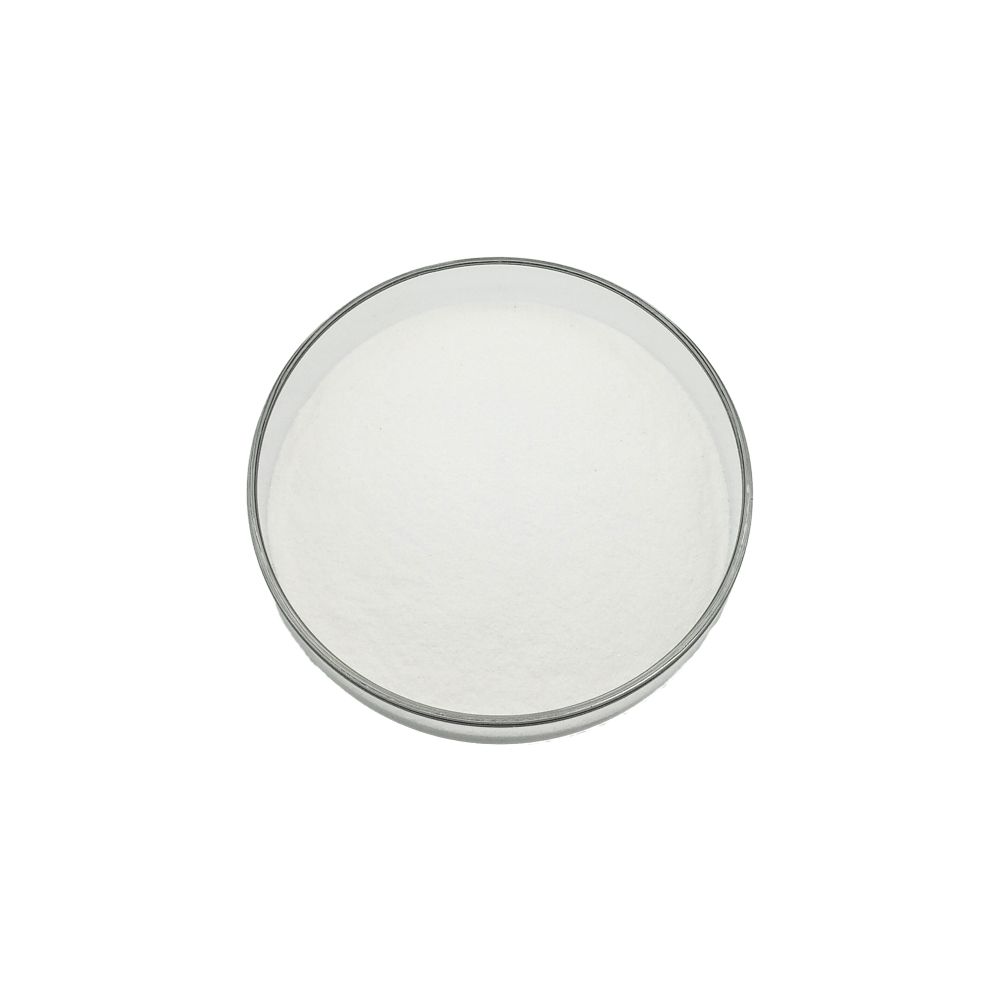
Ammonium perchlorate (AP), CAS 7790-98-9, is a high-purity oxidizer used in mining explosive formulations. Applications of Ammonium Perchlorate (AP) CAS 7790‑98‑9 in the Mining Industry include providing reliable oxygen balance and consistent detonation for both surface and underground operations. Blasting specialists in 2026 must also account for the associated safety protocols and regulatory status when handling AP-based explosives.
Key Takeaways
- AP provides high oxygen content for powerful, water-resistant explosives in surface and underground mines.
- Store AP in cool, dry, sealed containers away from flammables, acids, and organic materials to prevent dangerous reactions.
- Monitor 2026 perchlorate water limits and select biological or removal treatments to protect groundwater and comply with regulations.
What Is Ammonium Perchlorate and Why It Matters in Mining
Ammonium perchlorate (AP) is a white crystalline solid. Its chemical formula is NH4ClO4. Mining operations value AP for its high oxygen content. This property allows AP to act as a powerful oxidizer. Explosive formulations combine AP with fuels. The mixture produces a stable, high-energy detonation.
Chemical Properties Relevant to Blasting
AP has a molecular weight of 117.49. It dissolves readily in water. Its hygroscopic nature demands careful storage. Particle size and morphology influence burn rates. Types A through D offer specific particle distributions. High purity, at 99.5% or greater, ensures consistent performance. Low chloride and chlorate impurities reduce unwanted side reactions. A controlled pH range of 4.3 to 5.8 maintains stability. Thermal stability tests confirm safe handling at elevated temperatures. These properties give blasting engineers reliable explosive behavior.
The Role of AP as an Oxidizer
An oxidizer supplies oxygen for combustion. In blasting, AP reacts quickly with fuels. The reaction releases gas and heat at extreme speed. High-pressure gas fractures rock and ore. AP provides superior oxygen balance. This balance keeps detonation efficient. AP also remains effective in wet boreholes. Slurry explosives and emulsions rely on this performance. Permissible explosives for underground mines also depend on AP.
Applications of Ammonium Perchlorate (AP) CAS 7790‑98‑9 in the Mining Industry include surface blasting, underground extraction, and secondary breakage. Engineers choose AP grades by particle size and impurity profile. This selection maximizes energy output while maintaining safety. AP remains a foundational oxidizer for modern mining operations.
Key Applications of Ammonium Perchlorate (AP) CAS 7790-98-9 in the Mining Industry
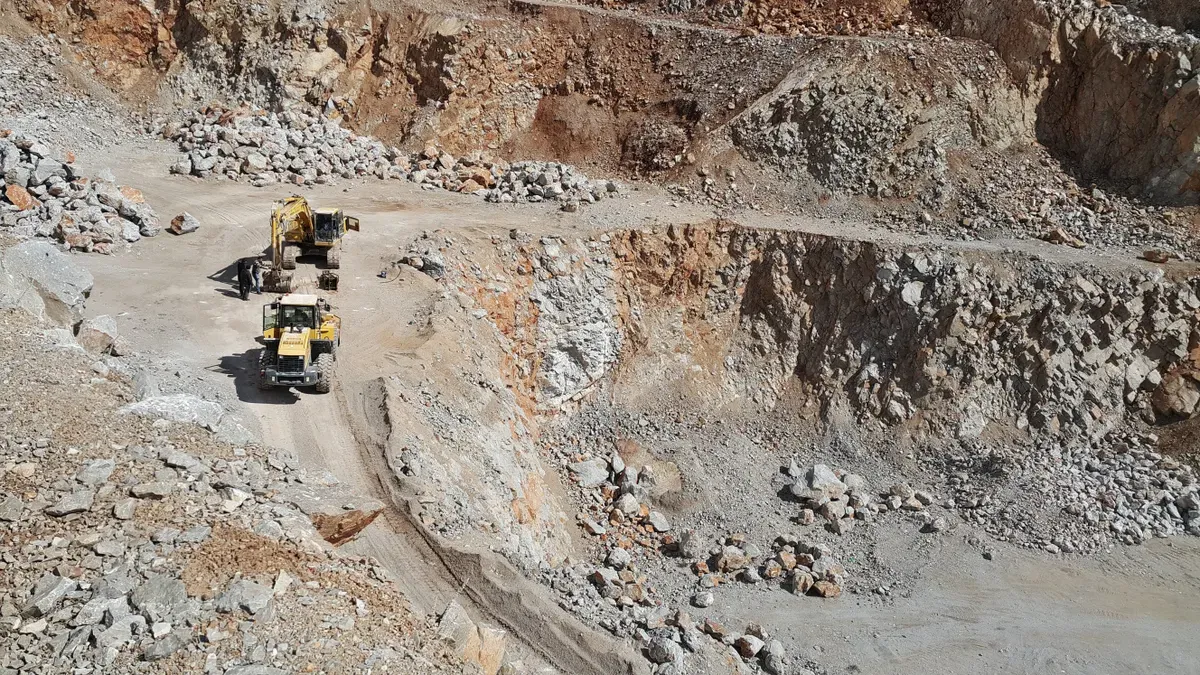
Ammonium perchlorate serves as a critical oxidizer across multiple explosive formulations. The mining industry depends on AP for its consistent oxygen release and reliable detonation characteristics. Three primary explosive types dominate commercial blasting operations. Each formulation leverages AP properties in distinct ways. Understanding these applications helps blasting engineers select the right explosive for each job.
Slurry Explosives
Slurry explosives represent one of the earliest and most established Applications of Ammonium Perchlorate (AP) CAS 7790‑98‑9 in the Mining Industry. These water-based explosives contain AP as the primary oxidizer mixed with fuel oils and sensitizers. The mixture forms a thick, pumpable gel that fills boreholes completely. Water resistance gives slurry explosives a major advantage in wet blasting conditions.
The manufacturing process begins with AP crystals dissolved or suspended in water. Fuel components such as diesel oil or aluminum powder blend into the mixture. Sensitizers like TNT or nitroglycerin increase the explosive energy. Cross-linking agents thicken the slurry into a stable gel. This gel structure prevents component separation during storage and transport.
Slurry explosives offer several performance benefits for mining operations. High density provides excellent coupling with borehole walls. Strong water resistance allows use in flooded holes without degradation. Variable sensitivity permits customization for different rock types. Energy output remains consistent across a wide temperature range.
Blasting engineers adjust slurry formulations for specific site conditions. Hard rock blasting requires higher densities and faster detonation velocities. Soft ground operations benefit from lower density mixtures. The AP content typically ranges from 40 to 70 percent by weight. Particle size distribution affects both sensitivity and detonation speed.
Loading slurry explosives requires specialized pump trucks. These vehicles carry unmixed components to the blast site. On-site mixing activates the explosive properties. This approach eliminates the hazards of transporting sensitized explosives. The pump system delivers the slurry directly into boreholes at controlled rates.
Slurry explosives perform well in large-diameter boreholes. Open-pit mines favor these formulations for primary blasting. The high energy output fractures massive rock volumes efficiently. Slurry products also work in quarry operations and civil construction projects.
Emulsion Explosives
Emulsion explosives have largely replaced slurry products in modern mining operations. These formulations contain microscopic droplets of oxidizer salt solution suspended in a fuel phase. AP serves as a key oxidizer component in many emulsion formulations. The unique structure creates superior explosive performance with enhanced safety characteristics.
The emulsion structure consists of two immiscible phases. The oxidizer phase contains dissolved AP and other salts in water. The fuel phase comprises oils, waxes, and emulsifying agents. An emulsifier stabilizes the mixture into a uniform, creamy consistency. This structure resembles mayonnaise more than traditional explosives.
Emulsion explosives deliver several advantages over slurry products. Higher detonation velocities produce more efficient rock fragmentation. Better water resistance extends usability in extreme conditions. Lower sensitivity to impact and friction improves handling safety. The manufacturing process requires less toxic ingredients.
The AP content in emulsion explosives typically ranges from 30 to 60 percent. Particle size distribution of the AP crystals influences detonation properties. Fine particles increase sensitivity and reaction speed. Coarse particles provide higher bulk energy. Formulators balance these factors for optimal performance.
Emulsion explosives require sensitization for reliable detonation. Glass microspheres create tiny gas bubbles within the emulsion matrix. Chemical gassing agents generate bubbles through controlled reactions. These voids provide hot spots that initiate detonation. The sensitization process occurs during manufacturing or on-site loading.
Pump trucks deliver bulk emulsion to blast sites. The loading system mixes sensitizing agents immediately before pumping. This just-in-time activation minimizes handling risks. Borehole loading proceeds rapidly with automated equipment. Modern pump trucks handle thousands of kilograms per shift.
Emulsion explosives excel in underground mining applications. Their high density and energy output suit confined spaces. Low fume production improves ventilation requirements. The products also perform well in surface operations with wet conditions.
Permissible Explosives for Underground Mining
Permissible explosives meet strict safety standards for underground coal mining. These formulations must prevent ignition of methane gas and coal dust. AP plays a vital role in permissible explosive formulations. The oxidizer provides reliable performance while meeting regulatory requirements.
Underground coal mines present unique explosion hazards. Methane gas accumulates in working areas. Coal dust suspends in the air during mining operations. Traditional explosives can ignite these materials. Permissible explosives prevent such catastrophic events.
The U.S. Mine Safety and Health Administration establishes permissible explosive standards. Testing procedures evaluate flame duration and temperature. Approved formulations receive specific ratings for use conditions. Manufacturers must maintain exact ingredient specifications. Any deviation requires new testing and approval.
AP contributes to permissible explosive performance through several mechanisms. The oxidizer promotes complete combustion within the borehole. Cooler detonation temperatures reduce ignition risks. Controlled energy release fractures coal without excessive heat. These properties help formulations pass regulatory testing.
Permissible explosives contain specific additives beyond AP and fuels. Flame suppressants such as sodium chloride or potassium chloride absorb heat. These salts cool the detonation products below ignition thresholds. The additives also shorten flame duration. Formulators balance suppressant content against energy requirements.
Loading procedures for permissible explosives follow strict protocols. Boreholes require thorough cleaning before loading. Stemming materials seal the borehole to contain gases. Shot firing occurs only after all personnel reach safe locations. These procedures minimize explosion propagation risks.
Permissible explosives find use in coal mines and other gassy underground operations. Metal mines with sulfide dust hazards also employ these products. The formulations provide reliable breakage while maintaining safety margins. Applications of Ammonium Perchlorate (AP) CAS 7790‑98‑9 in the Mining Industry extend across these specialized underground operations.
The three explosive categories demonstrate AP versatility in mining. Slurry products offer water resistance and pumpability. Emulsions provide superior performance and safety characteristics. Permissible formulations enable safe underground coal extraction. Each application leverages specific AP properties for optimal results.
Advantages and Disadvantages of AP in Mining Blasting
Benefits in Blasting Performance
Ammonium perchlorate delivers a high oxygen content. This property ensures complete fuel combustion during detonation. Blasting crews achieve consistent energy release across varied rock conditions. The oxygen balance remains stable in both surface and underground applications.
AP performs reliably in wet boreholes. Slurry and emulsion formulations rely on this characteristic. Water resistance prevents performance degradation in flooded holes. The explosive maintains its detonation velocity throughout the blast.
Particle size control provides another operational advantage. Blasting engineers select AP types by crystal morphology and distribution. Fine particles accelerate burn rates. Coarse particles deliver higher bulk energy. This flexibility allows precise formulation for different rock types.
High purity levels minimize unwanted side reactions. The low impurity profile produces cleaner detonation products. Thermal stability supports safe storage at elevated temperatures. These properties contribute to dependable blasting results.
Drawbacks and Limitations
AP presents distinct handling challenges. Its hygroscopic nature demands sealed, moisture-controlled storage. Exposure to humid conditions degrades performance over time. Warehouses must maintain cool, dry environments.
Chemical incompatibility creates safety hazards. AP reacts violently with organic materials, sulfur, phosphorus, and metal powders. Strong acids also trigger dangerous decomposition. Mining sites must enforce strict segregation protocols. Storage areas remain separate from fuels and reducing agents.
Regulatory oversight adds operational complexity. Authorities classify AP as a strong oxidizer. Transport permits and storage licenses carry rigorous requirements. Environmental monitoring for perchlorate compounds continues to expand. Water testing near mining operations may require additional compliance actions.
Economic factors influence formulation choices. High-purity AP commands a premium price. Some operations substitute lower-cost oxidizers where conditions permit. The performance benefits often justify the expense in demanding applications.
Safety and Handling Procedures for AP in Mining
Ammonium perchlorate demands strict safety measures at every stage of mining operations. Proper storage, transport, and site protocols protect workers and maintain explosive reliability.
Storage and Transportation
AP requires a cool, dry, and ventilated storage area. Direct sunlight and heat sources must remain far from storage zones. The product is hygroscopic, so sealed containers prevent moisture absorption. TheoremChem packages AP in 55 kg iron drums with inner plastic bags. A 20-foot container holds 360 drums. Warehouses must keep AP separate from flammables, reducing agents, organics, and combustible materials. Strong acids also pose explosion risks upon contact.
Transport vehicles need protection from rain, sun exposure, and violent collisions. The shelf life reaches 60 months under proper conditions. Retesting confirms compliance after this period. Mining operations should maintain detailed inventory records for regulatory audits.
AP mixtures with sulfur, phosphorus, metal powders, or organic materials may create fire or explosion hazards.
Blasting Site Protocols
Blasting crews must enforce strict segregation at the site. AP-based explosives stay away from incompatible chemicals during loading. Only trained personnel handle these formulations. Borehole loading follows written procedures with clear communication among team members. Site supervisors verify that all personnel reach safe distances before detonation. Post-blast inspections confirm complete detonation and identify any misfires. These protocols ensure consistent performance and protect the blasting team.
Regulatory and Environmental Status for 2026
U.S. and International Regulations
Ammonium perchlorate faces increasing regulatory scrutiny in 2026. The U.S. Environmental Protection Agency continues to evaluate perchlorate limits in drinking water. Several states have adopted their own maximum contaminant levels. These range from 2 to 18 micrograms per liter. International regulations vary by country. The European Union classifies AP as a substance of very high concern. Mining operations must track these requirements carefully. Transport permits and storage licenses carry strict conditions. Compliance teams should monitor regulatory updates throughout the year.
Environmental and Health Considerations
Perchlorate contamination presents persistent environmental challenges. Perchlorate-respiring bacteria exist widely in nature. These organisms appear in wastewaters, rivers, sediments, and soils. Natural biodegradation alone often proves insufficient. Perchlorate still persists in the environment despite microbial presence.
Groundwater contamination remains a primary concern. Drinking water in about 26 U.S. states contains perchlorate below 12 micrograms per liter. Most contamination links to military activities and defense contractors. Former production facilities near Lake Mead and the Colorado River received significant attention.
Standard treatment technologies cannot address perchlorate effectively. Air stripping, carbon adsorption, and ultraviolet light oxidation do not work. Treatment options fall into two categories: destructive and removal methods.
- Biological reduction destroys perchlorate in-situ or ex-situ
- Ion exchange, membrane filtration, and electrodialysis remove perchlorate from water
Biological destruction costs less than physical removal. Ex-situ biological reduction costs approximately $100 per acre-foot at low-nitrate sites. Ion exchange ranges from $150 to over $500 per acre-foot. Treatment can increase groundwater costs five-fold. Mining operations must plan for these expenses. Soil remediation may require nutrient addition to enhance natural reduction. Site-specific conditions determine the best treatment approach.
Future Trends and Alternatives to AP in Mining
Emerging Oxidizers and Formulations
Research into alternative oxidizers continues. Hydrogen peroxide formulations offer cleaner reaction products. These systems reduce toxic fume emissions after blasting. Decomposition risks require careful handling. Ammonium nitrate remains the most widely used alternative. Low cost and easy availability drive its adoption. Nitrate-based emulsions also incorporate calcium nitrate. Sodium nitrate appears in some blended products. These salts provide lower sensitivity and improved safety margins.
Researchers also investigate hydroxylammonium nitrate. This compound delivers high oxygen content. It leaves minimal solid residue after detonation. High production costs limit current adoption. Electrochemical oxidation methods show promise for on-site oxidizer generation. These systems could reduce transport requirements.
Formulation technology advances focus on energy efficiency. Gassing agents precisely control emulsion density. Novel sensitizers replace traditional chemical additives. Blending multiple oxidizers creates optimized oxygen balances. Engineers tailor these blends for specific rock formations. Digital initiation systems improve blast sequencing. Fragmentation outcomes become more predictable. These innovations reduce overall blasting costs. Sustainability concerns may reshape future formulas.
Industry Outlook for AP
AP maintains a strong market position. Its high oxygen content outperforms many alternative oxidizers. Thermal stability supports demanding blasting environments. Custom particle morphologies meet specific formulation needs. TheoremChem produces Type A through D grades. Tailored size distributions optimize explosive performance. Slurry, emulsion, and permissible explosives rely on AP.
Regulatory pressures shape future demand patterns. Groundwater perchlorate monitoring continues expanding. Some mining operations may shift toward nitrate systems. AP remains essential for permissible blasting applications. Reliable detonation characteristics prove difficult to replicate.
The 2026 outlook for AP remains stable. Suppliers invest in advanced purification methods. Particle engineering improves environmental performance. Cost competition with ammonium nitrate persists. AP's proven effectiveness secures its role in specialized mining uses. Blasting specialists still choose AP for demanding conditions. Mining engineers monitor these developments closely.
Ammonium perchlorate remains a key oxidizer for slurry, emulsion, and permissible explosives. Applications of Ammonium Perchlorate (AP) CAS 7790‑98‑9 in the Mining Industry demand strict safety, regulatory compliance, and environmental management in 2026. Emerging alternatives may influence demand. AP's proven performance ensures ongoing relevance.
FAQ
Can AP-based explosives remain effective in wet boreholes?
Yes. Slurry and emulsion formulations resist water effectively. They maintain detonation velocity under flooded conditions. Proper priming and loading procedures ensure reliable performance in wet environments.
How should mining operations store ammonium perchlorate safely?
Store AP in a cool, dry, ventilated area. Keep it away from flammables, reducing agents, organics, and strong acids. Use sealed iron drums with inner plastic bags for protection.
What are the main regulatory concerns for AP in 2026?
Perchlorate groundwater contamination drives compliance requirements. U.S. states enforce strict drinking water limits. International rules classify AP as hazardous. Monitor transport and storage permits regularly.
See Also
Essential Safety Protocols For Storing Nitric Acid Safely
Urea Ammonium Nitrate Solution: The Ultimate Plant Power Beverage
Contemporary Synthesis Techniques For Aminoguanidine Bicarbonate And Industrial Uses
2025 Handbook For Semi-Welded Plate Heat Exchangers In Industry
Comprehending Molybdenum High-Temperature Furnaces In The Year 2025