Application of HTPB in Adhesives Backed by Science
You use hydroxyl-terminated polybutadiene as a main binder in modern adhesives. This material keeps adhesives flexible, even at very low temperatures, because it has a glass transition temperature near -75°C. When you mix it with isocyanates, it reacts quickly to form strong polyurethane bonds. The application of HTPB(Hydroxyl-terminated polybutadiene) in adhesives lets you achieve high lap shear strengths and excellent durability, even in tough environments.
Key Takeaways
- HTPB keeps adhesives flexible and strong, even in very cold temperatures, making it ideal for various applications.
- Mixing HTPB with isocyanates creates durable polyurethane bonds, enhancing the adhesive's performance in tough environments.
- Choosing the right grade of HTPB based on viscosity can improve processing efficiency and the final strength of your adhesive.
Application of HTPB(Hydroxyl-terminated polybutadiene) in Adhesives: Scientific Principles and Formulation
Chemical Structure and Properties of HTPB Relevant to Adhesives
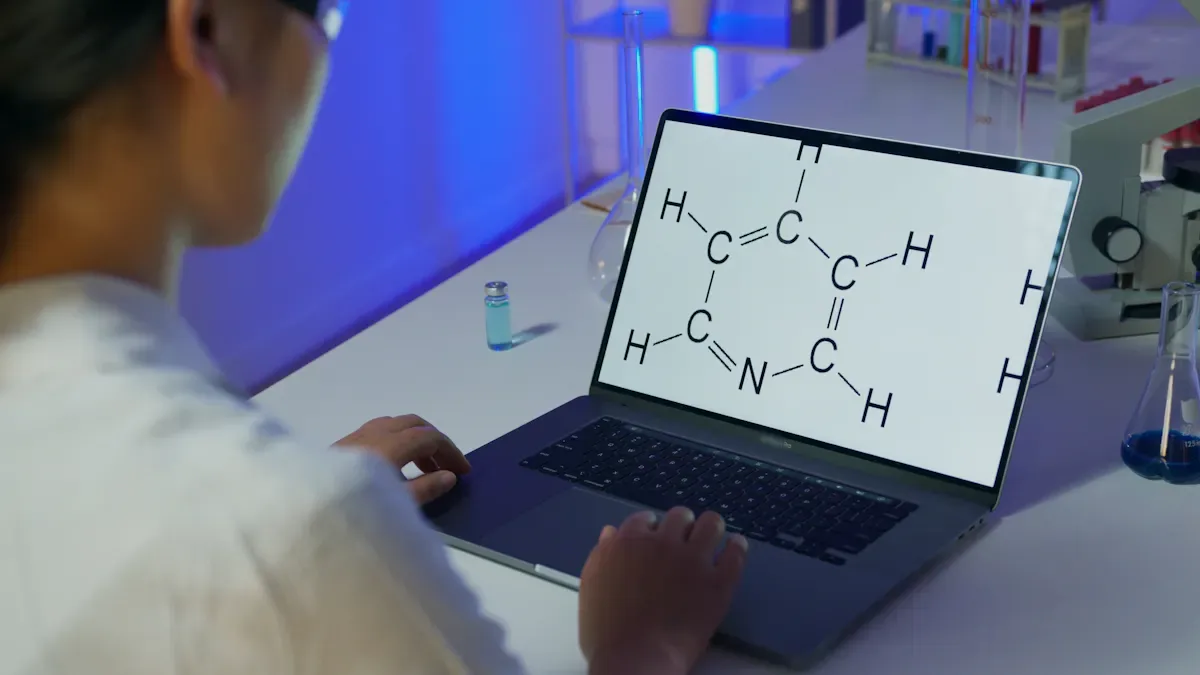
You can understand the power of HTPB by looking at its chemical structure. This polymer has a backbone that is mostly linear, but you will also find some branches. This structure gives you a balance between thermoplastic and thermoset properties. The backbone helps adhesives stay strong and flexible. HTPB has a very low glass transition temperature, around -75°C. This means your adhesive stays flexible, even in freezing conditions. The ends of the HTPB chains have hydroxyl groups. These groups are very reactive and help form strong chemical bonds. You also get a hydrophobic backbone, which means water does not easily break down the adhesive. The molecular weight of HTPB affects how strong and flexible your adhesive will be. When you use HTPB with a higher molecular weight, you get more strength and flexibility. The number of hydroxyl groups, usually about 2.4 to 2.6 per chain, controls how much cross-linking happens. More cross-linking means better durability and performance.
Tip: You can choose different grades of HTPB to match the needs of your adhesive. Lower viscosity grades make it easier to mix and spread, while higher viscosity grades give you more strength.
Mechanisms of Reactivity and Compatibility in Adhesive Systems
When you use HTPB in adhesives, you take advantage of its special reactivity. The hydroxyl groups at the ends of the chains react with isocyanates. This reaction forms a polyurethane network. This network gives your adhesive strength and flexibility. You can also change the hydroxyl groups into other types, like acrylate or carboxylic acid, to make the adhesive fit special needs. HTPB can start the process of making block copolymers, which lets you design adhesives with unique properties. You can also modify HTPB through reactions like epoxidation or thiol-ene chemistry. These changes help you control how the adhesive behaves. If you hydrogenate HTPB, you get materials that resist heat and oxidation. This makes your adhesive last longer, even in tough environments.
- HTPB reacts with isocyanates to form strong polyurethane networks.
- You can convert the OH group to acrylate, isocyanate, or carboxylic acid for special uses.
- HTPB can start block copolymer synthesis.
- You can modify HTPB with epoxidation, hydrosilylation, or thiol-ene reactions.
- Hydrogenated HTPB gives you adhesives that resist heat and oxidation.
Methods for Incorporating HTPB: Curing Agents, Ratios, and Processing
You need to follow careful steps when you add HTPB to an adhesive. Start by mixing HTPB with a plasticizer and a catalyst. Use a planetary or sigma-blade mixer at about 60°C. Add other ingredients, like ammonium perchlorate or aluminum, slowly over two to four hours under vacuum. After mixing, add a curing agent, such as isophorone diisocyanate (IPDI), at 50–60°C. Mix for 15–30 minutes. Then, cast the mixture into molds and cure it at 60°C for five to seven days. For the best results, keep the adhesive at 50°C for another week or two. This step helps finish the cross-linking and relaxes any stress in the material.
You can also change the properties of HTPB before you use it. Chemical modifications, like turning the hydroxyl group into other functional groups, help you match the adhesive to your needs. You can pick the right grade of HTPB based on viscosity. Regular HTPB gives you predictable curing with isocyanates. This predictability helps you make adhesives in both small batches and large production lines.
| Aspect | Details |
|---|---|
| Company | Evonik |
| Innovation | Expansion of production capacity for hydroxyl-terminated polybutadienes (HTPB) |
| Application Sectors | Automotive and aerospace sectors |
| Production Process | Backward integration for supply security of raw materials |
| Product Characteristics | POLYVEST HT is a liquid HTPB with a hydrophobic backbone and primary hydroxyl groups for modification |
| Intended Use | Used as a polyol component in various adhesive and sealant applications, including aerospace |
| Expected Completion Date | Second quarter of 2024 |
The application of HTPB(Hydroxyl-terminated polybutadiene) in adhesives lets you create products for many industries. You can use it in automotive, aerospace, and even electronics. The flexibility, strength, and chemical resistance make it a top choice for modern adhesive formulations.
Application of HTPB(Hydroxyl-terminated polybutadiene) in Adhesives: Performance Benefits and Industrial Uses
Enhanced Strength, Flexibility, and Environmental Resistance
You can rely on adhesives made with hydroxyl-terminated polybutadiene for strong bonds and lasting performance. These adhesives show lap shear strengths that often exceed 10 MPa. You get flexibility even at low temperatures, which helps your products stay tough in cold climates. The hydrophobic backbone of HTPB keeps water from breaking down the adhesive. You also benefit from chemical resistance, so your adhesive lasts longer when exposed to harsh chemicals. HTPB’s non-polar and saturated structure protects your adhesive from humidity, temperature extremes, and chemical exposure. This means you can use these adhesives in places where other materials might fail.
Real-World Examples and Industry Applications
You see the Application of HTPB(Hydroxyl-terminated polybutadiene) in Adhesives across many industries. Here are some common uses:
- Automotive: You use these adhesives to bond metals and plastics.
- Construction: You rely on them for strong adhesion in structural applications.
- Electronics: You find them in adhesive formulations for electronic components.
- Advanced materials: You apply them in high-performance adhesive systems.
- Sealants: You use HTPB-based sealants for reliable sealing.
- Electrical applications: You benefit from excellent dielectric properties.
In aerospace, you depend on HTPB for solid rocket propellant binders. In electric vehicles, you choose HTPB adhesives, sealants, and encapsulants for their thermal stability and chemical resistance.
Challenges and Considerations in HTPB-Based Adhesive Formulations
You face some challenges when you work with HTPB-based adhesives. The branched structure can limit your design flexibility between thermoplastic and thermoset properties. Differences in polymerization methods may change the hydroxyl functionality and microstructure, making formulation more complex. You also need to consider environmental impacts. Some microorganisms, such as Microbacterium trichothecenolyticum and Arthrobacter pascens, can degrade HTPB, which helps with disposal. However, UV exposure can cause severe degradation in tearing energy and tear strength over time.
| Microorganism | Degradation Capability |
|---|---|
| Microbacterium trichothecenolyticum | Effective |
| Microbacterium esteraromaticum | Effective |
| Arthrobacter pascens | Effective |
| Pseudonocardia carboxydivorans | Effective |
| Ochrobactrum anthropic | Effective |
Tip: You should test your adhesive for UV and hygrothermal stability to ensure long-term performance.
You use HTPB in adhesives to get strong, flexible, and durable bonds. The low glass-transition temperature and hydrophobic nature help your adhesive last. See the main benefits below:
| Performance Benefit | Description |
|---|---|
| Processing Efficiency | You apply adhesives quickly and easily. |
| Mechanical Strength | You achieve strong, reliable bonds. |
| Chemical Compatibility | You bond many materials without worry. |
| Durability | You get long-lasting performance in tough conditions. |
Remember to match the HTPB grade to your needs for best results.
FAQ
What makes HTPB adhesives different from regular adhesives?
You get better flexibility and strength with HTPB adhesives. These adhesives work well in cold and wet conditions. You can use them for tough jobs.
Can you use HTPB adhesives outdoors?
Yes, you can use HTPB adhesives outside. They resist water and chemicals. You should test for UV stability if you need long-term outdoor use.
Tip: Always check the product label for outdoor performance details.
How do you store HTPB-based adhesives?
You should keep HTPB adhesives in a cool, dry place. Close the container tightly after each use. This helps you keep the adhesive fresh.