Application of EHTPB in Insulating Materials and Special Coatings Transforms Ordinary Into Extraordinary
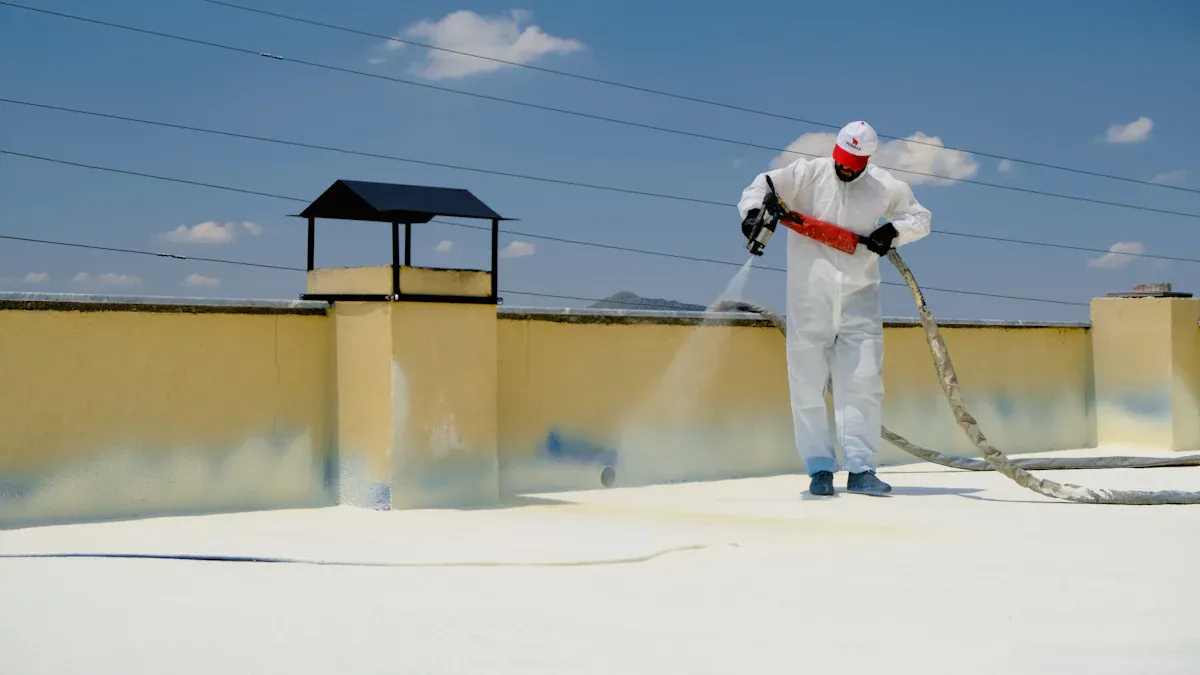
You see the Application of EHTPB(Epoxidized HTPB CAS No.129288-65-9) in Insulating Materials and Special Coatings transform how you protect against heat, force, and harsh conditions. The market shows strong growth:
| Year | Market Growth Rate | Adoption Rate |
|---|---|---|
| 2021 | 5% | 30% |
| 2025 | 25% | 75% |
EHTPB brings unmatched reliability and performance.
Key Takeaways
- EHTPB is a powerful polymer that enhances the performance of insulating materials and coatings, providing resistance to heat, chemicals, and moisture.
- Using EHTPB can lead to energy savings and improved efficiency by creating effective thermal barriers that protect equipment from temperature changes.
- EHTPB's unique properties allow for customization, making it suitable for various applications in construction, electronics, and aerospace.
Application of EHTPB(Epoxidized HTPB CAS No.129288-65-9) in Insulating Materials and Special Coatings
What is EHTPB and Why It Matters
You may wonder why EHTPB stands out in the world of insulating materials and special coatings. EHTPB, or Epoxidized Hydroxyl-Terminated Polybutadiene, is a modern polymer that brings new possibilities to many industries. When you use the Application of EHTPB(Epoxidized HTPB CAS No.129288-65-9) in Insulating Materials and Special Coatings, you get more than just a basic protective layer. You gain a material that resists chemicals, water, and extreme temperatures. This makes it perfect for pipelines, storage tanks, and machinery. You also help prevent corrosion, which is very important in oil and gas, marine, and automotive fields.
- EHTPB helps create strong, flexible, and durable products.
- You can use it in adhesives, sealants, and coatings.
- It gives you water-resistant bonds, which are useful in construction, automotive, and electronics.
Unique Properties Driving Superior Performance
EHTPB has special features that make it better than many other materials. Its molecular structure includes both hydroxyl and epoxy groups. These groups help EHTPB cure well with different agents, making it stick strongly to metals, glass, and other surfaces. When you choose the Application of EHTPB(Epoxidized HTPB CAS No.129288-65-9) in Insulating Materials and Special Coatings, you benefit from:
- Oil resistance and aging resistance, so your materials last longer.
- Good transparency and performance at low temperatures.
- Hydroxyl groups that boost adhesive properties.
- Epoxy groups that improve adhesion strength and dielectric properties.
- Low shrinkage rate and high hardness after curing, which means better mechanical properties and heat resistance.
Tip: EHTPB’s unique structure lets you use it in many ways, from tough adhesives to clear, strong coatings.
Enhanced Thermal Insulation and Energy Efficiency
You want your insulating materials to keep heat in or out, depending on your needs. The Application of EHTPB(Epoxidized HTPB CAS No.129288-65-9) in Insulating Materials and Special Coatings helps you achieve this goal. EHTPB forms a barrier that slows down the movement of heat. This means you can save energy and keep equipment safe from temperature changes. When you use EHTPB-based coatings, you help your systems work more efficiently and reduce energy loss.
- EHTPB coatings keep their shape and strength even when temperatures change.
- They help protect sensitive electronics and machinery from overheating or freezing.
Superior Mechanical Strength and Longevity
You need materials that can handle stress and last a long time. EHTPB gives you both. Its strong molecular bonds make it tough and flexible. When you use the Application of EHTPB(Epoxidized HTPB CAS No.129288-65-9) in Insulating Materials and Special Coatings, you get products that resist cracking, stretching, and breaking. This means your coatings and insulators stay in good shape, even in busy factories or outdoor environments.
- EHTPB-based elastomers keep their strength in humid or dry conditions.
- They do not crack or lose power, even in very hot or cold places.
Chemical and Environmental Resistance
You want your materials to stand up to harsh chemicals and tough weather. EHTPB does just that. It protects your equipment from fuels, oils, and moisture. You can see how well it works in chemical resistance tests:
| Performance Metric | Value |
|---|---|
| Chemical Resistance (JP-8 fuel) | Volume swell < 10% after 7 days |
EHTPB also resists damage from sunlight, rain, and temperature swings. When you use the Application of EHTPB(Epoxidized HTPB CAS No.129288-65-9) in Insulating Materials and Special Coatings, you help your equipment last longer and work better in any environment.
- EHTPB keeps its mechanical properties, even when exposed to humidity.
- It protects against cracking and keeps its strength in extreme temperatures.
- Its chemical structure blocks damage from fuels, oils, and moisture.
Note: EHTPB’s resistance to chemicals and weather makes it a smart choice for anyone who needs reliable protection.
Real-World Impact and Comparison with Traditional Materials
EHTPB in Special Coatings: Adhesion and Surface Protection
You want coatings that stick well and protect surfaces from damage. EHTPB gives you strong adhesion to metals, glass, and other materials. When you use it in special coatings, you get a tough layer that shields against scratches, chemicals, and weather. This means your equipment and structures stay in good shape for a longer time. You can trust EHTPB to keep surfaces safe in harsh environments.
Versatility and Customization for Diverse Applications
You can choose EHTPB in different forms to match your needs. The product comes in several types, each with unique properties. Look at the table below to see how EHTPB adapts to different uses:
| ITEM | EHTPB-1 | EHTPB-2 | EHTPB-3 |
|---|---|---|---|
| Hydroxyl value(mmol/g) | 0.7 - 1.5 | N/A | N/A |
| Epoxide value,wt% | 0.5 - 1.5 | 2.0 - 4.0 | 4.5 - 5.5 |
| Viscosity (40℃,Pa.S) | ≤5.0 | ≤20 | ≤50 |
| Moisture,% ≤ | 0.05 | 0.05 | 0.05 |
| Molecular weight | 2000 - 4000 | N/A | N/A |
You can see that EHTPB can be tailored for adhesives, sealants, coatings, and polyurethane elastomers. This flexibility lets you pick the right version for your project.
Case Studies in Construction, Electronics, and Aerospace
You find EHTPB in many industries. In construction, it helps seal joints and protect building materials. In electronics, it insulates and shields delicate parts from heat and moisture. Aerospace companies use it for coatings that must survive extreme temperatures and stress. The Application of EHTPB(Epoxidized HTPB CAS No.129288-65-9) in Insulating Materials and Special Coatings shows how one material can solve many problems across different fields.
EHTPB vs. Conventional Alternatives
You may wonder how EHTPB compares to older materials. Traditional coatings and insulators often lose strength or break down in tough conditions. EHTPB stands out because you can customize it for better oil resistance, aging resistance, and low-temperature performance. You get improved mechanical strength and heat resistance. This means your products last longer and perform better than those made with standard materials.
You transform ordinary materials into high-performance solutions when you choose EHTPB. This polymer meets strict safety and regulatory standards:
| Standard Type | Example |
|---|---|
| Military | MIL-PRF-39023C |
| International | ISO 15809, ASTM D7391 |
| Environmental | REACH, RoHS |
You also benefit from future innovations:
- Stronger, more flexible adhesives
- Advanced curing technologies
- Durable polymer blends
FAQ

What makes EHTPB different from regular polymers?
You get higher strength, better resistance to chemicals, and improved insulation. EHTPB works well in tough environments where regular polymers may fail.
Can you use EHTPB for electronics?
Yes. You can use EHTPB to protect electronic parts. It keeps moisture and heat away from sensitive components.
How do you store EHTPB safely?
Store EHTPB in a cool, dry place. Keep it away from sunlight and strong oxidizers.
Tip: Always seal the container tightly after use.
See Also
Advancements in Heat Exchanger Manufacturing Boost Industrial Efficiency
Key Facts About WT20 Tungsten Electrodes for Superior TIG Welding
Steel Processing Techniques for Effective Heat Exchange Applications
New Materials Transforming the Supply of Heat Exchangers
Creative Uses of N,N-Dimethyl-N,N-Diphenylurea Across Industries