Application of HTPB in Sealants and Potting Compounds Keeps Homes Strong
You see the Application of HTPB in Sealants and Potting Compounds deliver strong protection for your home. HTPB gives sealants lasting flexibility. You gain reliable defense against cracks and leaks. You choose HTPB-based solutions for long-term safety.
HTPB helps you keep your home strong and secure.
Key Takeaways
- HTPB-based sealants provide strong protection against moisture and chemicals, keeping your home safe from leaks and damage.
- The flexibility of HTPB ensures sealants remain effective in extreme temperatures, preventing cracks and brittleness.
- Using HTPB in home projects enhances adhesion to various materials, ensuring long-lasting seals that withstand harsh conditions.
Application of HTPB in Sealants and Potting Compounds

What is HTPB and Its Unique Properties
You may wonder what makes HTPB stand out in the world of home protection. HTPB, or Hydroxyl-terminated polybutadiene, is a special liquid rubber. Its chemical structure has hydroxyl groups at the ends of its chains. These groups help HTPB form a strong three-dimensional network when you mix it with other agents. This network gives HTPB its strength and flexibility.
HTPB stays flexible even in freezing weather because it has a low glass transition temperature of -75°C. You do not have to worry about your sealants becoming brittle in winter. HTPB also resists many chemicals, oils, acids, and bases. You get a material that lasts and protects your home from harsh conditions.
Tip: HTPB’s liquid form makes it easy to use for casting and potting, even in tricky spots.
Why HTPB Matters for Sealants and Potting Compounds
When you look at the Application of HTPB in Sealants and Potting Compounds, you see many benefits for your home. HTPB sealants and potting compounds protect against air, moisture, and chemicals. They keep your home safe from leaks and damage. You also get strong adhesion to many building materials, which means your sealants stay in place.
Here is a quick look at how you might use HTPB in your home:
| Application Type | Description |
|---|---|
| Adhesives and Sealants | Protect sensitive components from moisture and mechanical stress |
| Potting Compounds | Improve adhesion, water resistance, and chemical resistance for coatings |
| Surface Coatings | Crucial for protective coatings and electronic encapsulations |
You can trust HTPB to deliver flexibility, durability, and long-lasting performance. The Application of HTPB in Sealants and Potting Compounds helps you keep your home strong and protected year after year.
How HTPB Improves Sealant Durability and Home Protection
Superior Flexibility and Crack Resistance
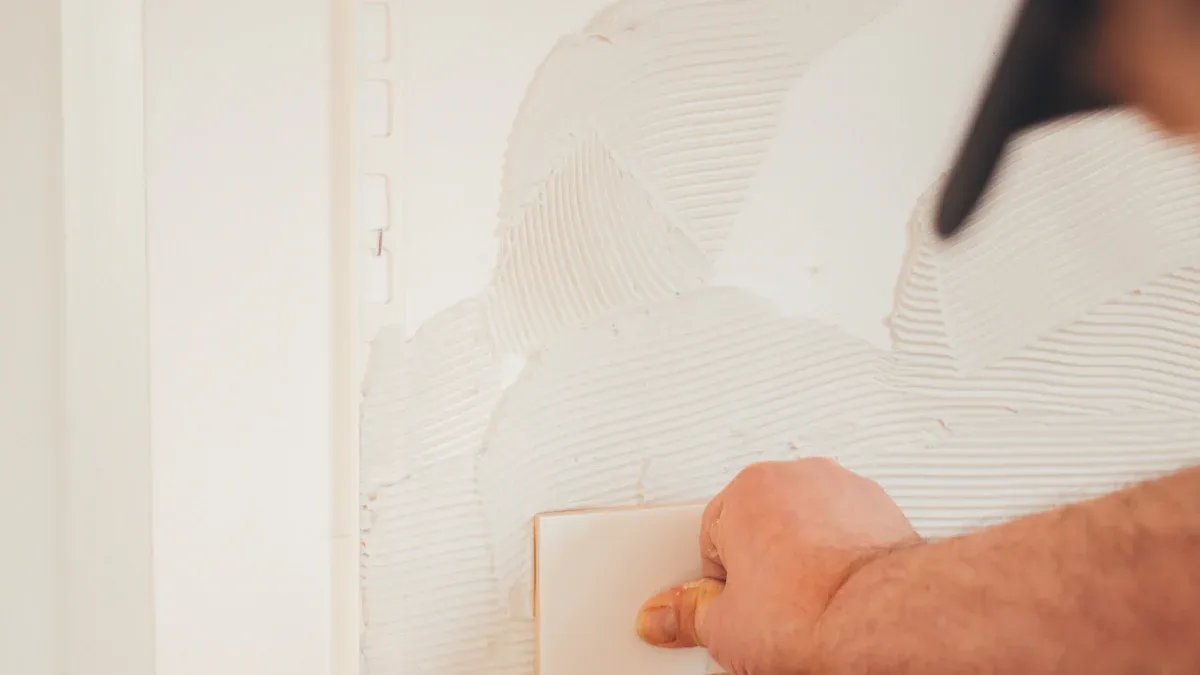
You want your sealants to stay flexible and strong, even when temperatures drop. HTPB gives you this advantage. The low glass transition temperature of HTPB, around –70 °C, keeps sealants soft and elastic in freezing weather. You do not see them become brittle or crack. You can also rely on HTPB’s customizable molecular weight. Manufacturers adjust it between 1000 and 5000 to fit your needs. The terminal hydroxyl groups in HTPB react quickly with isocyanates. This reaction forms a tough polyurethane network that bends and stretches without breaking.
- HTPB stays flexible in cold climates.
- You get sealants that resist cracking.
- Manufacturers tailor HTPB for different applications.
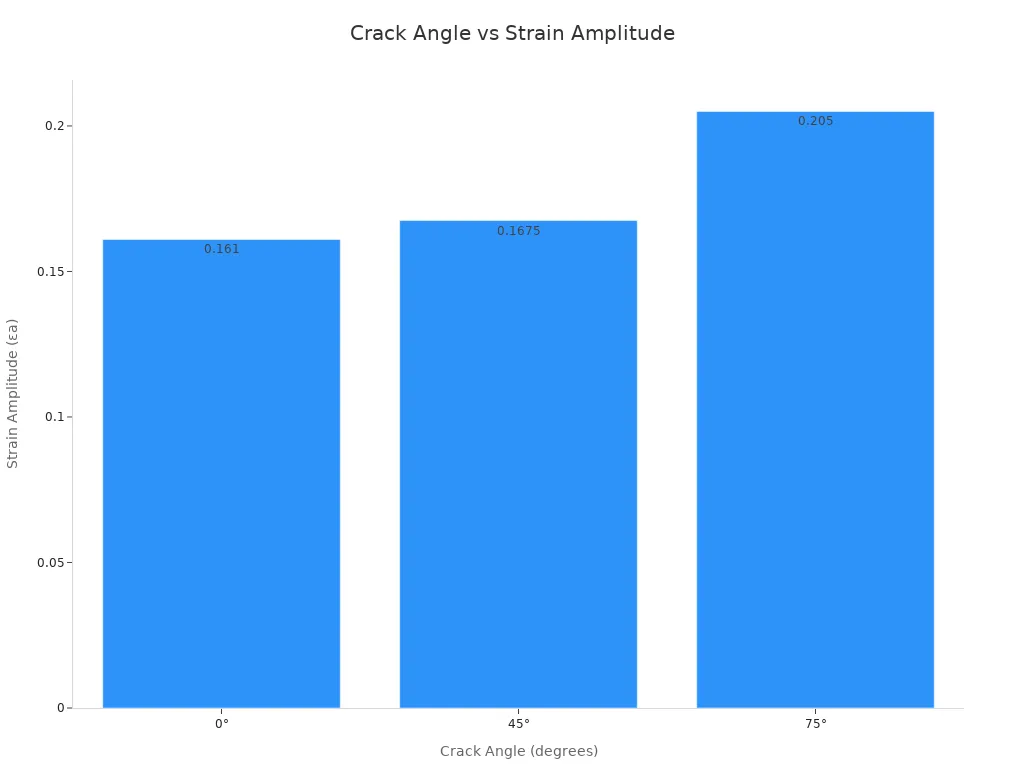
Laboratory tests show how HTPB-based sealants resist cracks. You can see the results in the table below:
| Specimen Group | Crack Angle (°) | εmax | εmin | εa (strain amplitude) |
|---|---|---|---|---|
| Control (S) | N/A | 0.618 | 0 | 0.309 |
| C1 | 0 | 0.322 | 0 | 0.161 |
| C2 | 45 | 0.335 | 0 | 0.1675 |
| C3 | 75 | 0.410 | 0 | 0.205 |
You can also view the chart below, which shows strain amplitude for different crack angles in HTPB-based sealants:
Outstanding Adhesion to Building Materials
You need sealants that stick well to surfaces. HTPB gives you excellent adhesion to many building materials. You can use it on concrete, wood, metal, and glass. The Application of HTPB in Sealants and Potting Compounds lets you seal gaps and joints with confidence. You do not worry about the sealant peeling or losing grip. HTPB’s reactive hydroxyl groups help it bond tightly to surfaces. You get a strong seal that lasts.
- HTPB bonds to concrete, wood, metal, and glass.
- You see fewer leaks and gaps.
- Your home stays protected.
Enhanced Weather and Chemical Resistance
You want your sealants to stand up to harsh weather and chemicals. HTPB-based sealants show frost resistance and strong mechanical properties. You see them perform better than conventional sealants in extreme weather. Rain, snow, and heat do not weaken them. You also get protection from acids and bases. Chemical resistance tests show that HTPB-based potting compounds lose less mass in acidic and basic environments compared to other materials.
| Chemical Environment | Mass Loss Comparison |
|---|---|
| Acidic (10% H2SO4) | EHTPB-PU > HTPB-PU |
| Basic (30% NaOH) | EHTPB-PU > HTPB-PU |
| Polar Solvent (EtOH) | Not specified |
| Nonpolar Solvent (toluene) | Not specified |
Note: HTPB-based sealants keep their strength and shape even when exposed to tough chemicals and weather.
Long-Term Performance and Aging Resistance
You want your home to stay strong for years. HTPB helps sealants and potting compounds last longer. You see less wear and tear. HTPB resists hydrolysis, acids, and alkalis. You do not see sealants break down or lose their flexibility. The Application of HTPB in Sealants and Potting Compounds gives you aging resistance. You get reliable protection for your home over time.
- HTPB resists aging and environmental damage.
- You enjoy long-lasting performance.
- Your home stays safe and secure.
Real-World Examples in Home Construction and Maintenance
You can find HTPB-based sealants and potting compounds in many homes. Builders use them for sealing windows, doors, and expansion joints. You see them in electrical potting compounds that protect wiring from moisture. Homeowners choose HTPB-based products for bathroom and kitchen repairs. You get strong, flexible seals that keep water and air out. The Application of HTPB in Sealants and Potting Compounds helps you maintain your home with confidence.
- Builders use HTPB for window and door seals.
- Electricians rely on HTPB potting compounds for safe wiring.
- Homeowners trust HTPB for repairs and maintenance.
Tip: You can ask for HTPB-based sealants when you want lasting results in your home projects.
You see HTPB make sealants and potting compounds stronger and more reliable.
- HTPB gives you moisture resistance, thermal stability, and chemical protection.
- You protect your home from harsh weather and chemicals.
| Benefit | Description |
|---|---|
| Durability | Lasts long and keeps your home safe |
| Energy Efficiency | Maintains strong seals and saves energy |
Choose HTPB-based products for lasting results.
FAQ
What is HTPB used for in homes?
You use HTPB in sealants and potting compounds. It helps seal windows, doors, and electrical parts. You keep your home safe and strong.
Is HTPB safe for home use?
You can trust HTPB-based products. They meet safety standards for building materials. Always follow the instructions on the label.
How do you store HTPB-based sealants?
Store HTPB-based sealants in a cool, dry place. Keep the container tightly closed. Check the label for the best storage tips.
See Also
Silicone Sealant: The Essential Adhesive for Contemporary Living
Fortifying Doors and Hinges Against Fire and Water Damage
Impact of US Tariffs on the 2025 Residential Hinges Industry
Reducing Environmental Impact Through Plate Heat Exchanger Solutions