Application of HTPB (Hydroxyl-terminated Polybutadiene CAS 69102-90-5) in Roof Waterproofing and Anti-corrosion Made Simple
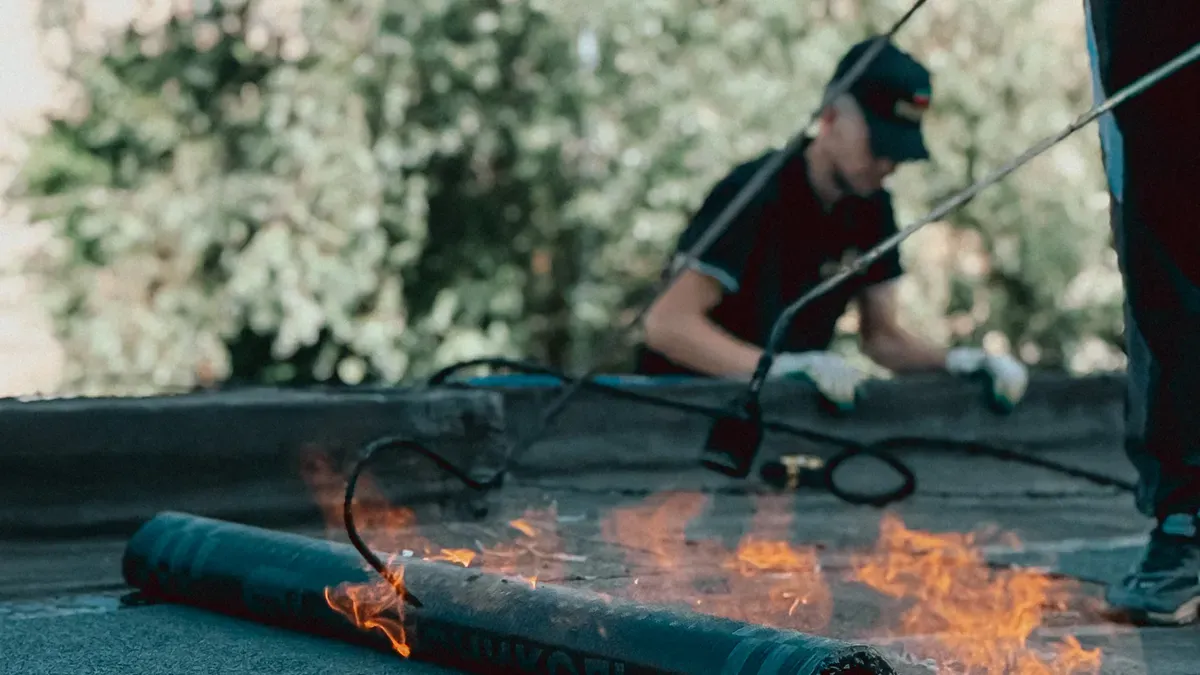
By utilizing the Application of HTPB (Hydroxyl-terminated Polybutadiene CAS 69102-90-5) in Roof Waterproofing and Anti-corrosion, you can effectively seal and protect your roof. The Application of HTPB (Hydroxyl-terminated Polybutadiene) in Roof Waterproofing and Anti-corrosion forms a durable barrier that prevents water intrusion and resists corrosion.
- You save money on costly repairs
- Contractors can complete projects more efficiently
- Facility managers benefit from long-lasting, reliable protection
Key Takeaways
- HTPB provides strong waterproofing and anti-corrosion protection, helping to prevent leaks and rust on roofs.
- Applying HTPB is straightforward; follow the steps for cleaning, mixing, and curing to ensure effective results.
- Regular inspections and maintenance can extend the lifespan of HTPB, keeping your roof safe for over 15 years.
Application of HTPB (Hydroxyl-terminated Polybutadiene CAS 69102-90-5) in Roof Waterproofing and Anti-corrosion
What is HTPB and Its Key Properties
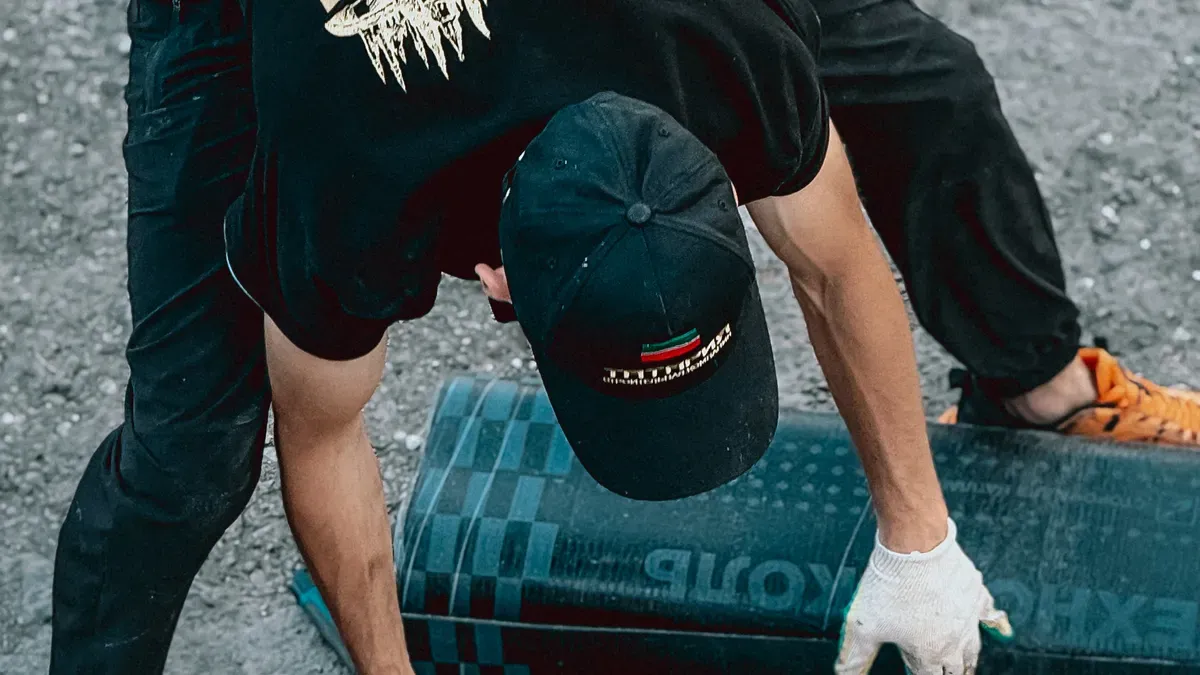
You may wonder what makes HTPB special for roof protection. HTPB stands for Hydroxyl-terminated Polybutadiene. This material is a liquid rubber with unique features that help keep your roof safe and dry. When you look at the Application of HTPB (Hydroxyl-terminated Polybutadiene CAS 69102-90-5) in Roof Waterproofing and Anti-corrosion, you see several important properties:
- Hydrophobicity (repels water)
- Low moisture permeability (blocks water from passing through)
- Resistance to hydrolysis (does not break down easily in water)
- Excellent adhesion to many surfaces (sticks well to roofs)
- Wear resistance (handles foot traffic and weather)
- Low temperature resistance (works in cold climates)
You also need to know about its physical properties. Here is a table that shows the typical molecular weight and viscosity range for HTPB used in construction:
| Property | Range |
|---|---|
| Molecular Weight (Mn) | 2,000 to 10,000 g/mol |
| Viscosity | 4,000 to 6,000 cP |
These features make HTPB a strong choice for protecting roofs.
Why HTPB is Ideal for Roof Waterproofing
You want a roof that keeps water out, even during heavy rain. The Application of HTPB (Hydroxyl-terminated Polybutadiene CAS 69102-90-5) in Roof Waterproofing and Anti-corrosion gives you this protection. HTPB forms a seamless layer over your roof. Water cannot seep through because the material is hydrophobic and has low moisture permeability. You do not have to worry about leaks or water damage.
HTPB also sticks well to many types of roofing materials. Whether your roof is metal, concrete, or another surface, HTPB creates a tight seal. This strong bond helps the waterproof layer last longer. You get peace of mind knowing your roof is safe.
How HTPB Prevents Corrosion and Protects Roofs
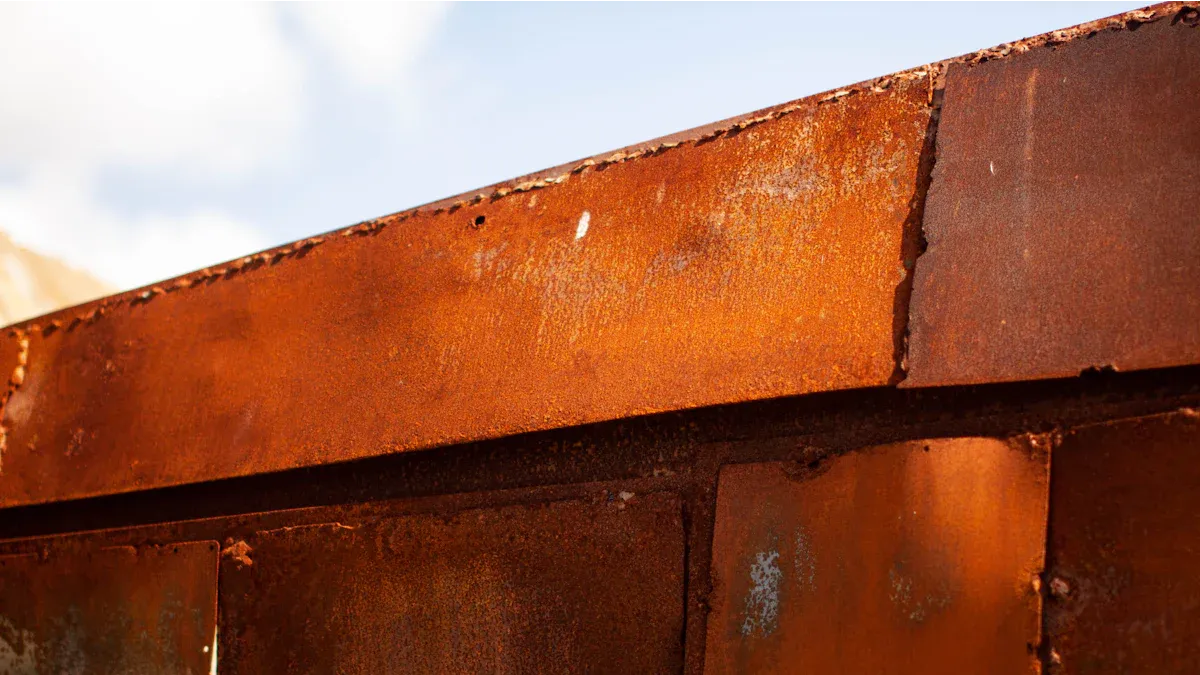
Corrosion can weaken your roof and lead to expensive repairs. The Application of HTPB (Hydroxyl-terminated Polybutadiene CAS 69102-90-5) in Roof Waterproofing and Anti-corrosion helps stop this problem. HTPB acts as a barrier between your roof and the environment. It blocks water, oxygen, and chemicals that cause rust and corrosion.
You also benefit from HTPB’s resistance to hydrolysis. This means the material does not break down when exposed to water over time. Your roof stays strong, even in wet or humid conditions. HTPB’s wear resistance protects against damage from walking or falling debris. You get a roof that lasts longer and needs fewer repairs.
Step-by-Step Guide to Applying HTPB
You can apply HTPB to your roof by following these simple steps:
- Clean the roof surface. Remove dirt, dust, and old coatings.
- Make sure the surface is dry. HTPB sticks best to dry surfaces.
- Mix the HTPB product as directed by the manufacturer.
- Use a roller, brush, or spray to apply an even layer of HTPB.
- Let the first layer cure. Typical curing time is between 6 to 10 days at 60 degrees Celsius. Larger areas may need up to 14 days.
- Apply a second layer if needed for extra protection.
- Inspect the finished surface for any missed spots.
Tip: Always follow the product instructions for mixing and curing times. Proper curing is important for the best results.
Practical Tips for Best Results
You want your roof to stay protected for as long as possible. Here are some tips to help you get the most from the Application of HTPB (Hydroxyl-terminated Polybutadiene CAS 69102-90-5) in Roof Waterproofing and Anti-corrosion:
- Store HTPB in a cool, dry place. The shelf life is usually 12 months. You can use it after this time if you check the product first.
- Apply HTPB in dry weather. Rain or high humidity can affect how well it sticks.
- Use the right tools for even coverage. Rollers and brushes work well for small areas. Sprayers are better for large roofs.
- Check the roof for cracks or holes before you start. Fix these problems so the HTPB can form a complete seal.
- Allow enough time for curing. Do not rush the process. A well-cured layer gives you the best waterproofing and anti-corrosion protection.
Note: Regular inspections help you spot any damage early. You can fix small problems before they become big ones.
By following these steps and tips, you make sure your roof gets the full benefit of HTPB’s protective power.
Comparing HTPB to Other Roof Waterproofing and Anti-corrosion Materials
Performance and Durability
You want your roof to last for many years. The Application of HTPB (Hydroxyl-terminated Polybutadiene CAS 69102-90-5) in Roof Waterproofing and Anti-corrosion gives you strong protection. HTPB forms a seamless layer that keeps water and chemicals out. Many other materials, like bitumen or acrylic coatings, can crack or peel over time. HTPB stays flexible, even in cold or hot weather. You get a roof that resists leaks and rust for a long time.
| Material | Flexibility | Lifespan | Crack Resistance |
|---|---|---|---|
| HTPB | High | 15+ yrs | Excellent |
| Bitumen | Low | 5-10 yrs | Poor |
| Acrylic | Medium | 7-12 yrs | Fair |
Ease of Use and Application
You do not need special tools to use HTPB. You can apply it with a roller, brush, or sprayer. Some other coatings need heat or extra equipment. HTPB cures at room temperature, so you save time and effort. You can cover large areas quickly. If you follow the steps, you get a smooth, even layer.
Tip: Always clean and dry your roof before you start. This helps HTPB stick better.
Cost, Maintenance, and Potential Drawbacks
HTPB may cost more at first than some basic coatings. You spend less on repairs because it lasts longer. You do not need to reapply it often. Maintenance is simple—just check for damage once a year. One drawback is the longer curing time compared to fast-drying paints. You need to plan for this when you start your project.
You get strong waterproofing and anti-corrosion protection when you use HTPB. This material lasts long and resists damage.
- You save money on repairs
- You enjoy easy application
Consider HTPB for your next roofing project. You make a smart choice for lasting roof protection.
FAQ
How long does HTPB last on a roof?
You can expect HTPB to protect your roof for over 15 years. Regular inspections help you keep the layer in top condition.
Can you apply HTPB yourself, or do you need a professional?
You can apply HTPB with basic tools like a roller or brush. For large roofs or best results, you may want a professional.
Is HTPB safe for the environment?
HTPB does not release harmful fumes during application. You should always follow safety instructions and dispose of leftover material properly.
See Also
Simplifying Assistance for AHRI 400/401 Heat Exchangers
Innovative Micro-Channel Tech for Hydrogen Fuel Cell Exchangers
Best Precoating Materials for Filtration Systems This Year
Choosing Materials for Pressure Vessels per ASME BPVC Guidelines
Key Facts About WT20 Tungsten Electrodes for Enhanced TIG Welding