AI Chickpea Sorting Machine Helps You Say Goodbye to Bad Beans
AI-powered chickpea sorting machine technology transforms bean processing. These machines remove defective beans and foreign materials instantly.
Detection accuracy reaches 99.5%, improving yield recovery rates.
Enhanced quality and operational efficiency result from advanced color sorting.
Producers and consumers both benefit from reduced waste and better products.
Key Takeaways
AI chickpea sorting machines achieve up to 99.5% accuracy, significantly improving the quality of beans and reducing waste.
Regular maintenance, including cleaning and calibration, is essential for optimal performance and longevity of the sorting machine.
Choosing the right sorting machine based on production needs can enhance efficiency and ensure only the best beans reach consumers.
Chickpea Sorting Machine Overview
What Is a Chickpea Sorting Machine
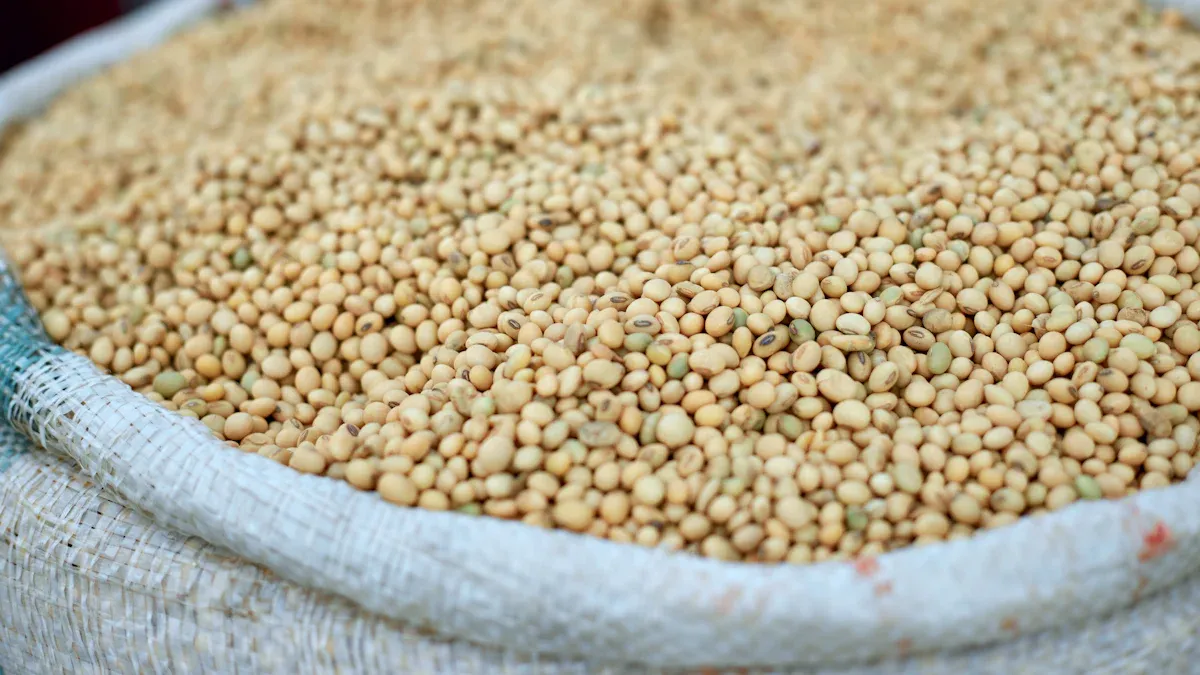
A chickpea sorting machine is a specialized device that separates good chickpeas from bad ones. It uses advanced technology to detect and remove beans that are discolored, broken, or contain foreign objects. RaymanTech’s machines go beyond basic sorting. They use cameras, sensors, and intelligent software to inspect each bean quickly and accurately.
There are several types of chickpea sorting machines available. Each type uses a different method to sort beans:
Sorting Mechanism | Description |
|---|---|
Gravity Separation | Uses density differences to separate chickpeas from impurities. |
Indented Cylinders | Sorts by size, removing small or large seeds. |
Optical Sorting | Uses cameras and sensors to spot and remove damaged or discolored seeds. |
RaymanTech’s optical sorting machines handle many types of beans, such as kidney beans, black beans, and soybeans. Each solution is tailored for the unique needs of the bean type. For example, Desi chickpeas are checked for damage and foreign seeds, while Kabuli chickpeas are sorted for size and color.
Chickpea Type | Sorting Focus |
|---|---|
Desi Chickpeas | Targets damaged, discolored, and foreign seeds |
Kabuli Chickpeas | Removes small, broken, or discolored chickpeas |
Contaminant Removal | X-ray for stones and metal; optical for low-density debris like straws |
Main Features and Functions
RaymanTech’s chickpea sorting machine stands out for its advanced features. The machine uses a high-resolution camera and LED light source for clear and accurate inspection. The intelligent software system makes sorting efficient and easy to control. The machine can sort large amounts of beans quickly, which helps producers save time and reduce waste.
Feature/Function | Description |
|---|---|
High-resolution camera for better accuracy. | |
LED Light Source | Reliable and long-lasting performance. |
Software System | Intelligent and user-friendly interface. |
Sorting Accuracy | High accuracy with fewer mistakes. |
Production Capacity | Handles large volumes of beans. |
SOC Platform | Fast and stable data processing. |
Auto Intelligent Sorting System | Many programs for different bean types. |
Remote Support | Allows for remote maintenance and troubleshooting. |
RaymanTech’s comprehensive approach also removes foreign objects and defective beans at every stage. The technology works for both dry and wet materials, making it flexible for different processing needs.
Tip: Choosing the right chickpea sorting machine can improve product quality and reduce waste, helping producers deliver the best beans to consumers.
RaymanTech AI Optical Sorting Technology
Cameras and Sensors
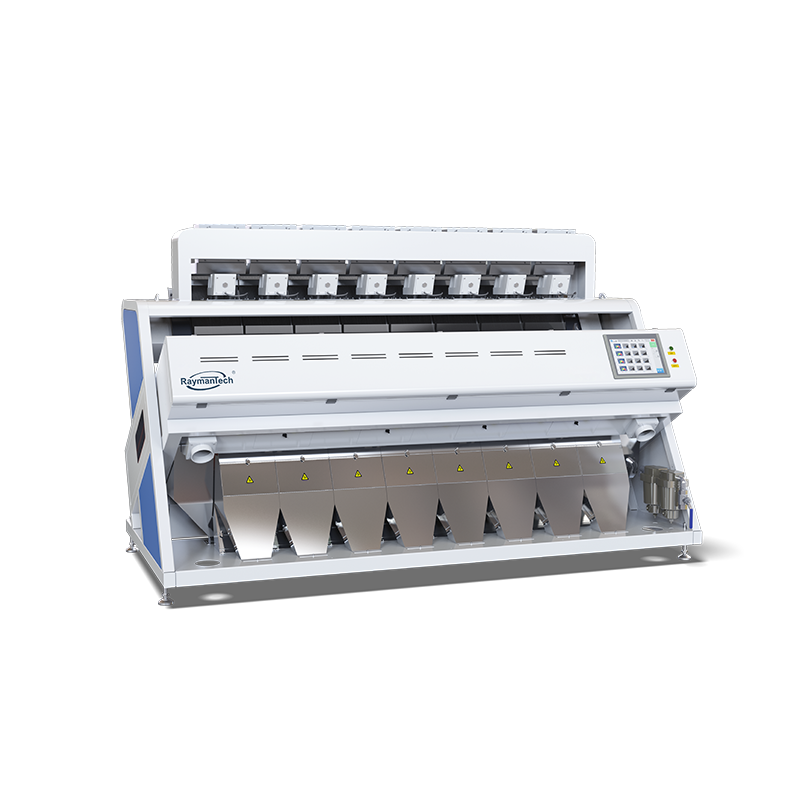
RaymanTech uses advanced cameras and sensors to inspect chickpeas. The technology detects color, shape, and texture irregularities. High-resolution CCD cameras capture RGB values, which help identify color differences. Near-Infrared sensors detect chemical signatures in materials. X-ray detectors measure internal density and structure, revealing hidden flaws that are not visible on the surface.
Sensor Type | Functionality | Application Areas |
|---|---|---|
CCD Cameras | Capture high-resolution RGB values for color sorting | Food processing, recycling |
Near-Infrared | Identify chemical signatures of materials | Food safety, recycling |
X-ray Detectors | Reveal internal density and hidden flaws | Mining, food processing |
RaymanTech’s chickpea sorting machine uses these sensors to find micro-impurities and contaminants. The system can detect metals, glass, and plastics. High-resolution cameras and AI algorithms spot both external and internal defects. The X-ray inspection system identifies metallic and non-metallic contaminants, such as glass, ceramic, stone, bone, hard rubber, and hard plastic. This ensures that only safe and high-quality beans reach the next stage.
Note: The combination of optical and X-ray sensors allows RaymanTech to inspect both the surface and the inside of each chickpea, improving food safety.
AI Algorithms
RaymanTech’s chickpea sorting machine relies on powerful AI algorithms. These algorithms enhance sorting precision and speed. Deep learning models learn complex defect patterns without manual programming. The system distinguishes between naturally variegated beans and damaged ones. It identifies subtle defects that may be missed by human inspectors.
AI Algorithm | Description |
|---|---|
AI Deep Learning | Learns complex defect patterns automatically |
Capabilities | Distinguishes subtle differences between beans and defects |
Whole Chain Control | Manages sorting from raw intake to final packaging |
AI-powered X-ray systems improve detection of low-density and organic contaminants. AI optical sorters accurately detect contaminants and defects, distinguishing subtle differences in materials. This technology covers the entire sorting process, ensuring that defective beans and foreign objects are removed efficiently.
Sorting Process
The sorting process begins when chickpeas enter the machine. Cameras and sensors scan each bean. AI algorithms analyze the data, looking for color, shape, and texture irregularities. The system detects visible contaminants using optical sorting. High-definition RGB cameras spot color variations, shape differences, and foreign materials.
Technology Type | Detection Capability | Key Features |
|---|---|---|
Optical Sorting | Surface inspection for visible contaminants | RGB cameras detect color, shape, and foreign materials |
X-ray Inspection | Internal inspection for invisible contaminants | Reveals internal issues and contaminants missed by optical sorters |
Low-density Detection | Finds contaminants matching product color | Advanced X-ray systems detect low-density organic contaminants like plastic ties and straws |
The X-ray inspection system penetrates the beans to reveal internal issues. It identifies contaminants that optical sorters may miss, such as plastic ties and straws. The AI Standard Optical Sorter achieves a defect removal efficiency above 90%. This high efficiency means that the machine sorts beans effectively, removing most defective beans and foreign objects.
RaymanTech’s AI Double Layer Sorter handles high capacity and maintains efficiency. It processes both dry and wet materials, making it suitable for different production needs.
The chickpea sorting machine ensures that only the best beans move forward, reducing waste and improving product quality.
Tip: RaymanTech’s technology detects and removes contaminants that are not visible to the naked eye, providing a reliable solution for producers.
Benefits and User Impact
Quality and Efficiency
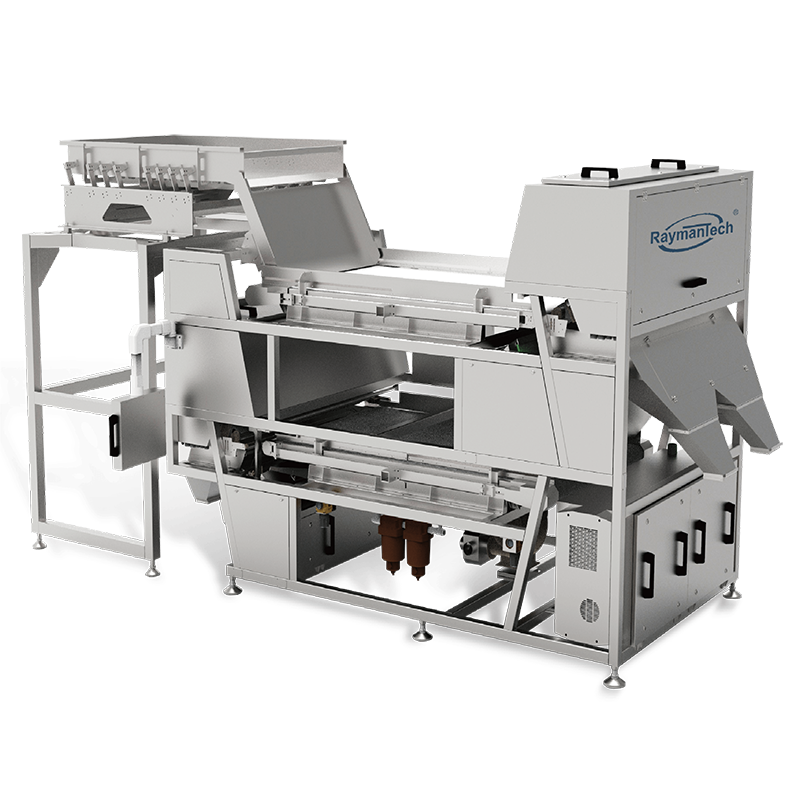
AI-powered chickpea sorting machines improve both quality and efficiency in bean processing. These machines use advanced sensors and algorithms to detect even the smallest defects or contaminants. Producers see less waste because the system removes only the bad beans and foreign objects. The result is a higher yield of top-quality chickpeas. Daily cleaning and regular calibration keep the machine running smoothly. Monthly lubrication and quarterly inspections help prevent breakdowns and maintain high performance.
Comparison with Traditional Sorting
Manual sorting often relies on human eyes and hands. This method can be slow and less accurate. The table below shows how AI sorting machines compare to manual sorting:
Aspect | Manual Sorting | AI Sorting Machine |
|---|---|---|
Sorting Accuracy | Typically 70–85% | Often exceeds 99% |
AI technology sorts beans faster and with greater accuracy. This means fewer mistakes and a better final product.
Real-World Results
Many producers report higher profits after switching to AI sorting. They see fewer customer complaints about poor quality. Regular software updates and annual professional servicing keep the system up to date. These steps help maintain high detection accuracy and add new features.
Tip: Routine maintenance, such as cleaning and calibration, extends the life of your chickpea sorting machine and ensures reliable operation.
Choosing Your Machine
When selecting a chickpea sorting machine, consider your production volume and the types of beans you process. RaymanTech offers support and demonstrations to help you make the right choice. For more information or to request a demo, use the contact details below:
Type | Details |
|---|---|
Telephone | 717-490-1513 |
Address | 1050 Kreider Drive - Suite 500, Middletown, PA 17057 |
Demo Request |
AI technology helps producers deliver only high-quality beans to the market. The chickpea sorting machine uses high-speed cameras to detect defects as small as 0.1mm.
Removes plastics, stones, and glass
Discards beans that are moth-eaten, moldy, or rotten
RaymanTech’s solutions improve quality assurance and efficiency for bean processing.
FAQ
How does the AI chickpea sorting machine detect bad beans?
The machine uses cameras and sensors to check each bean. AI software finds defects by analyzing color, shape, and texture.
What types of contaminants can RaymanTech machines remove?
RaymanTech machines remove metals, glass, plastics, stones, and organic debris. They also sort out moldy, broken, or insect-damaged beans.
Is the machine easy to maintain?
Yes! Regular cleaning and simple checks keep the machine running well. RaymanTech offers remote support for troubleshooting and updates.