Beyond Manual Labor AI's Role in the Future of Cashew Sorting
AI and deep learning are revolutionizing cashew sorting. They replace inconsistent manual labor with high-speed, exceptionally accurate automated systems. An AI-powered cashews sorting machine offers unparalleled accuracy and efficiency, directly addressing the core limitations of traditional methods. Embracing this technology is becoming essential for processors to enhance quality, boost output, and secure a competitive edge in the global market.

The Limits of Traditional Cashew Sorting
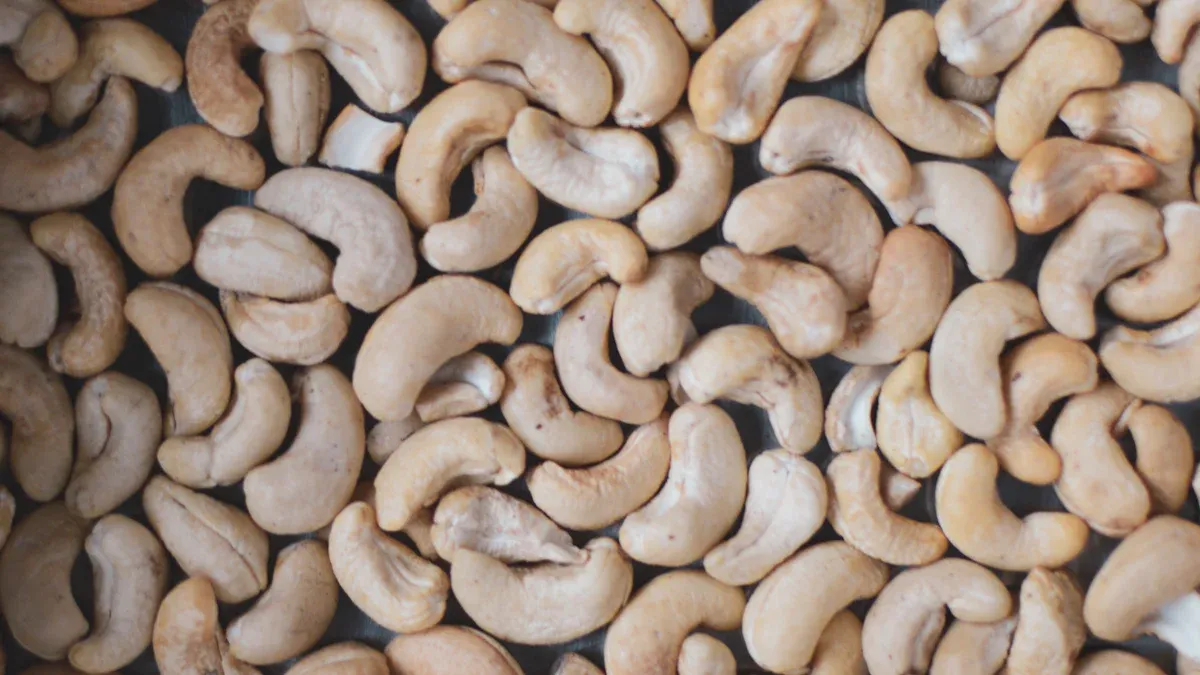
For decades, cashew processors have relied on manual labor for sorting. This traditional approach, however, presents significant challenges that limit growth and profitability in a competitive global market. These limitations affect quality, cost, and overall operational efficiency.
Human Error and Inconsistency
Human sorters, no matter how skilled, are prone to error. Fatigue, distractions, and subjective judgment lead to inconsistent grading. One worker might classify a cashew as premium, while another might downgrade it for a minor blemish. This variability directly impacts the final product's quality and value, making it difficult to guarantee a uniform standard for every batch.
Rising Labor Costs and Scarcity
The agricultural processing sector faces a severe labor shortage. This scarcity stems from several converging trends that make it difficult to find and retain workers.
- An aging workforce is leading to mass retirements.
- Younger generations often prefer urban careers over agricultural jobs.
- Low comparative wages motivate workers to seek employment in other industries.
This shrinking labor pool forces processors to offer higher wages to attract talent, driving up operational costs. In states like California, rising minimum wages and H-2A program requirements further compound these expenses.
Production Speed Bottlenecks
Manual sorting is inherently slow and creates significant production bottlenecks. A single worker can typically sort only 10-20 kilograms of cashews per hour. This slow pace restricts the entire processing line's throughput.
Manual sorting is a labor-intensive and inconsistent process that is difficult to scale. It acts as a major chokepoint, preventing processors from increasing output to meet market demand.
When shelling and drying machines can process cashews much faster, the sorting stage holds back the entire operation, capping potential revenue and efficiency.
How AI and Deep Learning Power Automated Sorting
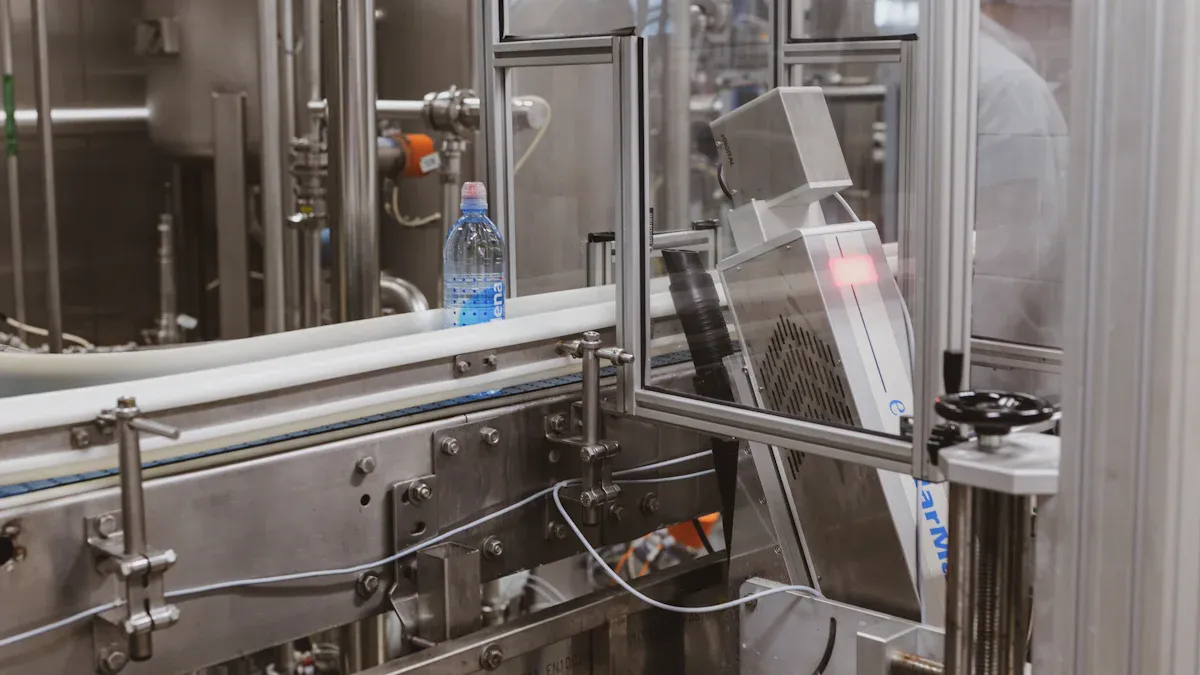
An AI-powered cashews sorting machine combines advanced hardware with intelligent software to automate grading. High-speed cameras capture detailed images of each cashew kernel as it passes through the system. These images are then instantly analyzed by sophisticated deep learning algorithms to make precise sorting decisions.
Computer Vision and Neural Networks
At the core of this technology lies computer vision, which acts as the system's eyes. The real intelligence, however, comes from deep learning models called Convolutional Neural Networks (CNNs). These networks are specifically designed to process visual data. Models like CashNet-15 and CAS-MODMOBNET are trained on thousands of cashew images. They learn to identify key features with incredible precision, achieving accuracy rates over 99% in distinguishing between different grades and conditions.
Classifying by Size, Color, and Defects
The AI algorithm classifies each kernel based on a comprehensive set of visual attributes. It obtains the complete characteristics of each nut to perform online detection and grading. Key classification parameters include:
- Size and Shape: The system measures each kernel to ensure it meets specific size standards for different grades.
- Color: It analyzes the kernel's color to sort for whiteness and uniformity, a primary indicator of quality.
- Defects: The AI excels at spot-on defect detection, identifying and removing cashews with discoloration, cracks, mold, insect damage, or scorch marks.
Self-Improving with Machine Learning
These systems are not static. They use machine learning to continuously improve their performance. The deep learning algorithms learn from the constant flow of new data, adapting to the natural variations found in agricultural products. This continuous refinement allows the machine to recognize subtle irregularities and handle diverse sorting scenarios. Over time, the system becomes even more adept at differentiating between acceptable and unacceptable nuts, ensuring consistent quality.
The Tangible Benefits of an AI Cashews Sorting Machine
Adopting AI technology moves cashew processing beyond incremental improvements. It delivers transformative, measurable advantages that directly impact a company's bottom line and market position. These benefits span from quality and speed to cost control and strategic intelligence.
Achieve Over 99% Sorting Accuracy
An AI-powered system delivers unparalleled sorting precision. It achieves accuracy rates exceeding 99%, a level unattainable through manual inspection. This near-perfect grading eliminates the subjective judgment and fatigue that cause human error. Every kernel is assessed against uniform, pre-defined standards for size, color, and defects.
Result: Processors can consistently produce a premium product. This reliability builds brand reputation, commands higher prices in the global market, and drastically reduces customer rejections or disputes over quality.
Dramatically Increase Throughput
Manual sorting is a notorious bottleneck. An AI cashews sorting machine shatters this limitation, processing cashews at an incredible speed. These systems operate 24/7 without breaks, fatigue, or a decline in performance. This capability allows processing plants to significantly increase their daily output. Some AI-driven systems can process up to 6,000 items per hour, boosting overall plant productivity by 50% or more.
Modern machines offer substantial capacity, as shown below:
| Model | Throughput (Tons per Hour) |
|---|---|
| LD60 | 1.0–2.0 |
| LD90 | 1.0–2.0 |
This massive increase in throughput enables processors to scale their operations, fulfill larger orders, and meet fluctuating market demands with agility.
Lower Long-Term Operational Costs
The initial investment in an AI cashews sorting machine yields a rapid return. Many processors report a full return on investment (ROI) in less than a year. The savings come primarily from a drastic reduction in labor-related expenses. Automation mitigates the challenges of labor scarcity and rising wages.
Consider the costs associated with manual labor:
- Recruitment: The average cost to hire a single new employee is around $4,700, covering job postings, screening, and interviews.
- Training: New sorters require extensive training to learn grading standards.
- Turnover: High turnover in manual labor jobs leads to a constant cycle of expensive recruitment and training.
An automated system eliminates these recurring costs. It reduces reliance on a large manual workforce, leading to a more stable and predictable operational budget. The long-term savings on wages, benefits, and HR overhead are substantial.
Gain Data-Driven Processing Insights
An AI cashews sorting machine does more than just sort; it gathers valuable data with every kernel it inspects. The system captures a detailed profile of each batch, providing managers with actionable intelligence. This data empowers processors to make smarter, proactive decisions.
Key data points collected include:
- Precise grade distribution (e.g., percentage of W180, W240, W320)
- Specific defect rates, identifying issues like scorch marks or insect damage
- Nuances in color, size, and shape across different batches
- Error rates, allowing for continuous system calibration
Managers can leverage this real-time information to optimize the entire supply chain. For example, they can analyze the quality of raw cashews from different suppliers to negotiate better pricing or adjust procurement strategies. They can also use predictive analytics for demand forecasting, ensuring optimal inventory levels and preventing stockouts. This data transforms the processing floor into a hub of strategic intelligence. 📈
Overcoming Implementation Hurdles
While the benefits of AI are clear, processors must navigate a few key challenges during adoption. These hurdles include the initial financial outlay, the need for new employee skills, and the process of adapting the technology to specific products. Fortunately, practical solutions exist for each of these concerns.
Addressing the Initial Investment
The upfront cost of an AI sorting machine can seem significant. However, governments increasingly offer financial support to encourage AgriTech innovation. These programs provide non-dilutive funding that eases the financial pressure on businesses. Processors can explore various options to help fund their investment:
- Grants for specific agricultural projects
- Resources for expanding farm operations
- Subsidies from local food promotion programs
These opportunities help companies adopt advanced technology without diluting equity, making the transition more accessible.
Bridging the Technical Skill Gap
Adopting AI technology requires a workforce with updated skills. Processors must invest in training to bridge this gap. Employees will need to learn new operational and maintenance procedures. For example, operators learn to perform daily checks and handle exceptions. Technicians acquire skills in system calibration and preventive hardware maintenance. This focus on upskilling empowers the existing workforce, ensuring they can manage the new systems effectively and maintain peak performance. 🧑🔧
Training Models for Your Cashews
Processors may worry about calibrating an AI for their unique cashew varieties. Modern AI sorters, however, are designed to simplify this process. They feature self-learning algorithms that continuously improve from the image data they analyze.
These intelligent systems can self-adjust their sorting parameters. They automatically adapt to variations in raw material size, color, or origin without needing manual recalibration.
Advanced machines also store variety-specific profiles. This feature allows operators to switch between different cashew types with minimal downtime, ensuring consistent and accurate grading across all batches.
AI and deep learning represent a fundamental shift in cashew processing. This technology offers a transformative solution, moving beyond incremental improvements. It directly solves the persistent issues of inaccuracy, high costs, and inefficiency tied to manual labor. For processors, adopting AI is the key to ensuring superior product quality, achieving sustainable growth, and building a more profitable future. 🚀
FAQ
Can an AI sorter handle different cashew varieties?
Yes. The system stores unique profiles for different cashew varieties. Operators switch between profiles easily, ensuring consistent grading for every batch and minimizing downtime.
What maintenance does an AI sorting machine require?
The machine requires routine maintenance. This includes cleaning cameras and lights. Technicians also perform periodic system calibrations to ensure the sorter maintains peak accuracy. ⚙️
How quickly can a processor see a return on investment?
The return on investment is rapid. Many processors report a full ROI in less than one year. This comes from reduced labor costs and increased throughput.
See Also
Essential Industrial Checkweighers: Top 3 for Modern Food Processing Plants
Evaluating Investment in Automated Virus Sampling Tube Assembly Lines: A Key Decision
Key Capsule Checkweighers for Buyers to Evaluate in the Year 2025
Decoding Capsule Sorters: Their Vital Function in Effective Defect Elimination
Exploring Trending Folder Gluer Innovations for 2025 Carton Production Lines