Top AI Trends Revolutionizing Food Production in 2025
The intersection of ai and food production is creating a new era of efficiency. In 2025, these technologies are set to deliver significant advancements. Automated robotics streamline farm operations, cutting labor costs and boosting productivity. Meanwhile, predictive analytics enhance supply chains, minimizing waste and improving food safety from farm to table.
Note: Recent trials show AI-driven farming can boost crop yields by up to 25% while simultaneously reducing water consumption by 20%.
AI is also accelerating the development of alternative proteins. It helps digitize taste and optimize production for innovations like lab-grown meat.
AI-Driven Precision Farming for Maximum Yield
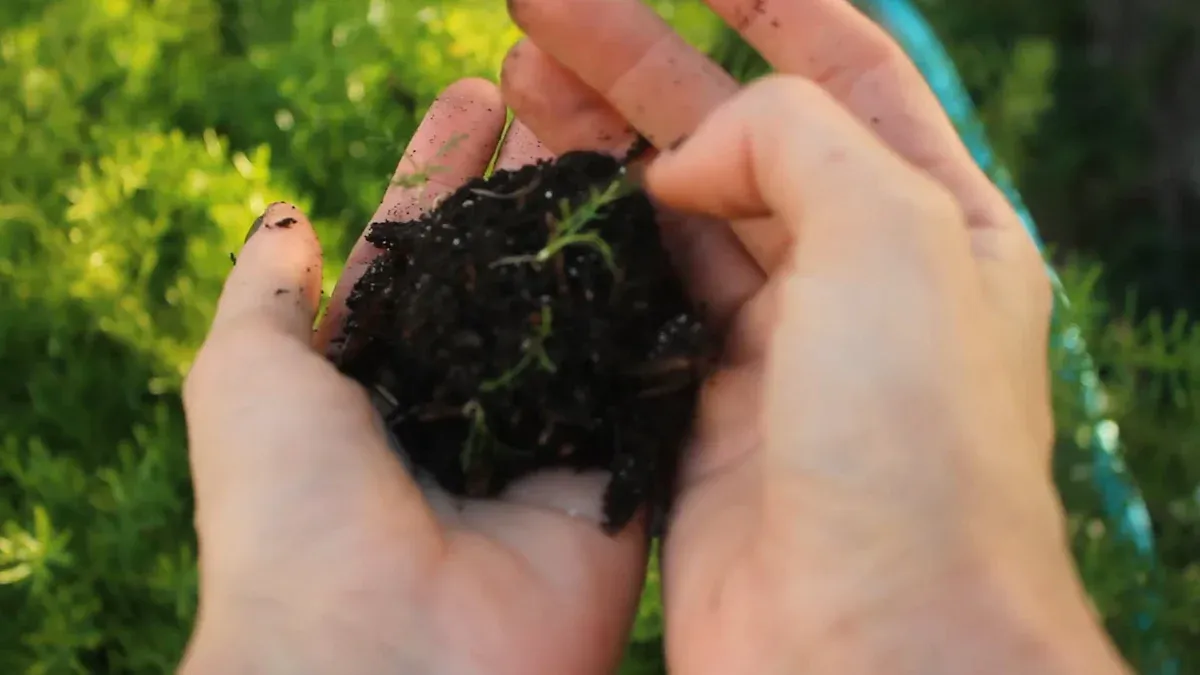
Precision farming uses AI to move agriculture from a generalized approach to a highly specific, data-driven practice. This technology empowers farmers to make smarter decisions, boosting efficiency and output on every acre. The synergy between ai and food production is most evident here, transforming fields into highly optimized ecosystems.
Using Machine Learning for Resource Optimization
Machine learning (ML) algorithms are the brains behind resource optimization. These systems analyze vast datasets from soil sensors, drones, and weather forecasts to create precise action plans.
- Water Optimization: Smart irrigation systems use ML to apply water only when and where it is needed, conserving a critical resource.
- Fertilizer & Pesticide Reduction: AI analyzes soil and crop data to recommend minimal chemical use. This preserves soil health and prevents water pollution.
- Predictive Models: Advanced models like Convolutional Neural Networks (CNNs) and Recurrent Neural Networks (RNNs) predict crop needs, enabling farmers to apply inputs with surgical accuracy.
How Computer Vision Monitors Crop Health
Computer vision gives machines the ability to "see" and analyze crop health in real time. Drones and field cameras capture high-resolution images, which AI then scrutinizes for signs of trouble. These systems detect subtle changes in leaf color and texture that are invisible to the human eye, identifying diseases or pest infestations early.
For example, researchers successfully used lightweight YOLO-based models to identify olive flies in trap photos with up to 88.3% precision. This technology allows for targeted interventions before pests can cause widespread damage.
Impact on Yield, Sustainability, and Profit
The adoption of AI-driven precision farming delivers tangible results. Farms using these technologies report significant gains across the board. By optimizing inputs and managing crop health proactively, farmers can increase yields by an estimated 15–30%. This efficiency directly translates to higher profits. Furthermore, by reducing water, fertilizer, and pesticide use, precision agriculture minimizes the environmental footprint of farming, promoting long-term sustainability for the future of ai and food production.
The Rise of Autonomous Robotics in Agriculture
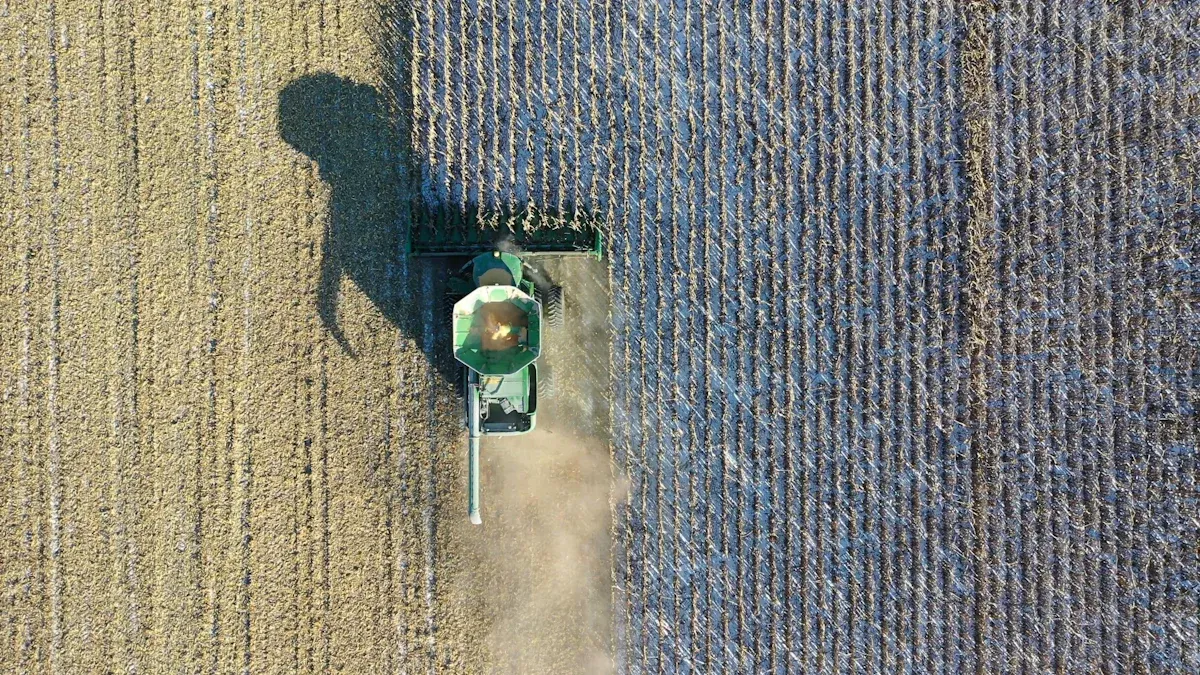
Autonomous robotics are moving from the factory floor to the open field, addressing critical labor shortages and operational bottlenecks. These intelligent machines perform demanding tasks with precision, operating around the clock to boost farm productivity. The synergy between ai and food production is creating a new standard for agricultural efficiency.
Automated Harvesting and Seeding Systems
Robots now handle some of the most labor-intensive farm jobs. AI-powered systems use computer vision to identify and pick delicate produce like strawberries and tomatoes without causing damage. These machines match or even exceed human speed and consistency.
Robotic Harvesting in Action Advanced systems are already transforming the harvest of high-value crops. | Produce | System Name | Key Features | |---|---|---| | Strawberries | Agrobot E-Series | Uses 24 robotic arms and AI to discern fruit ripeness by color. | | Tomatoes | MetoMotion's GRoW | Employs 3D vision and two arms to pick ripe tomatoes and estimate yields. |
Similarly, automated seeding systems use GPS and sensors for perfect seed placement. This technology ensures optimal depth and spacing, which minimizes waste and promotes uniform crop growth for higher yields.
AI-Powered Drones for Field Management
AI-powered drones serve as the eyes in the sky for modern farmers. Equipped with multispectral cameras, these drones capture data invisible to the naked eye. AI models then analyze this imagery to:
- Detect early signs of plant stress or disease.
- Identify areas with water deficiencies or over-saturation.
- Create precise maps for targeted fertilizer or pesticide application.
Companies like DJI and DroneDeploy lead this space, providing farmers with actionable insights to manage vast fields efficiently.
Benefits in Labor Efficiency and Cost Reduction
The most significant impact of agricultural robotics is the reduction in labor dependency and cost. A single autonomous tractor, like the one used by Iowa farmer David Krause, can plow fields 24/7 without a driver. This capability allows farms to complete critical tasks like planting and harvesting much faster. Automated systems free up human workers to focus on higher-value activities, boosting overall farm productivity and profitability.
Predictive Analytics for a Smarter Supply Chain
Predictive analytics transforms the food supply chain from a reactive system into a proactive, intelligent network. AI algorithms analyze vast datasets to forecast, optimize, and secure the journey of food from farm to consumer, significantly reducing waste and improving safety.
Forecasting Demand with AI Algorithms
AI demand forecasting helps businesses align production with consumer needs. Machine learning algorithms process historical sales data, weather patterns, and even social media trends to generate highly accurate predictions. These systems identify complex patterns that elude traditional methods, reducing human bias and providing objective insights. Platforms like OrderGrid use this technology to help food distributors manage unpredictable demand and fragmented data, ensuring shelves are stocked appropriately.
Optimizing Logistics and Reducing Spoilage
Inefficient transportation is a major cause of food waste. AI optimizes logistics by analyzing real-time variables like traffic, weather, and delivery schedules to identify the fastest, most fuel-efficient routes. This ensures perishable goods arrive promptly, minimizing spoilage.
The impact is substantial. AI-driven logistics can reduce food waste in supply chains by up to 30%. One major online grocery retailer even cut spoilage by 49% using AI-powered demand forecasting.
Enhancing Traceability and Food Safety
The combination of ai and food production with blockchain technology creates a new standard for transparency. Blockchain provides a secure, tamper-proof ledger, while AI analyzes real-time data from IoT sensors to predict risks. This synergy enables:
- Real-time monitoring of temperature and humidity during transport.
- Early detection of potential contamination or spoilage.
- An immutable record of a product's journey for instant traceability.
AI-powered systems can also rapidly detect pathogens like E. coli, allowing for targeted recalls that protect public health and build consumer trust.
The Intersection of AI and Food Production Innovation
AI is moving beyond the farm and into the lab, becoming a key partner in food science and product development. It accelerates innovation, allowing companies to create novel foods that are sustainable, healthy, and aligned with consumer tastes. This powerful synergy between ai and food production is redefining the future of what we eat.
Accelerating Alternative Protein Development
AI is a critical catalyst in the fast-growing alternative protein market. Machine learning algorithms analyze the molecular structure of plant proteins to identify combinations that replicate the texture and flavor of meat. For cellular agriculture, AI optimizes bioreactor conditions for growing cultivated meat. Companies like Aleph Farms use AI platforms to analyze vast datasets from experiments. This helps them understand complex process interactions, accelerating the path to scalable and cost-effective production.
Digitizing Taste to Shorten R&D Cycles
Traditionally, creating new flavors is a long, trial-and-error process. AI digitizes taste by creating complex models that correlate ingredient properties with sensory outcomes like flavor, aroma, and mouthfeel. These systems analyze consumer data and market trends to predict successful flavor profiles. This dramatically shortens research and development cycles.
For example, Unilever used AI to analyze flavor components for a new low-salt bouillon. The technology reduced a process that once took months down to just a few days.
AI's Role in Formulating New Food Products
AI platforms act as creative engines for food formulation. They can discover unique ingredient combinations that human developers might overlook. The AI platform "Giuseppe" from NotCo is a prime example. It analyzes the molecular composition of animal products and then finds plant-based ingredients that replicate the same experience.
| Company | AI Platform | Innovative Outcome |
|---|---|---|
| NotCo | Giuseppe | Discovered that pineapple and cabbage juice can mimic the molecular structure of dairy milk, leading to the creation of NotMilk®. |
This approach enables companies to rapidly develop new plant-based alternatives, reducing costs and time to market while meeting consumer demand for sustainable options.
AI-Enhanced Food Safety and Quality Control
AI is setting a new standard for food safety and quality, shifting the industry from manual checks to automated, intelligent oversight. These systems work tirelessly to protect consumers and ensure product excellence from the processing line to the final package. The combination of ai and food production creates a powerful defense against contamination and inconsistency.
Automated Contaminant Detection Systems
Automated systems now serve as the frontline defense against food contamination. Vision AI leverages machine learning and advanced image recognition to spot foreign materials like tiny shards of glass, plastic, or wood that traditional methods might miss. This technology analyzes product images at speeds far beyond human capability. Beyond physical objects, AI also detects biological threats. Researchers at UC Davis demonstrated that an AI model using the YOLO algorithm could accurately identify E. coli bacteria on lettuce with 94% average precision, offering a rapid and cost-effective alternative to conventional lab testing.
Using AI to Ensure Regulatory Compliance
AI helps food producers proactively meet strict regulatory standards from bodies like the FDA and EFSA. Instead of reacting to issues, companies use AI to predict and prevent them. AI platforms support this shift by:
- Analyzing production steps to identify relevant hazards.
- Suggesting industry-specific critical control points (CCPs) and monitoring procedures.
- Enabling instant updates to safety plans in response to new regulations or ingredient changes.
This dynamic approach ensures continuous compliance and builds a more resilient food safety culture.
Improving Quality Consistency with Machine Vision
Machine vision technology ensures every product meets the highest quality standards. It provides an objective and consistent eye on the production line, eliminating the variability of human inspection. These systems assess products for perfect color, shape, and size.
Machine vision offers rapid, economic, and objective assessment for the food industry. It provides real-time feedback that allows operators to adjust processes instantly, such as changing oven temperatures to perfect a cookie's bake color, minimizing waste without stopping production.
This technology guarantees that consumers receive the same high-quality product every time, from the topping distribution on a pizza to the uniform size of french fries.
AI transforms food production from a reactive model to a predictive, highly efficient system. Adopting these trends is now essential for any business seeking a competitive advantage.
The future of food is intelligent and automated, paving the way for a more secure and sustainable global supply.
Companies must invest in AI to secure their position in this evolving industry.
FAQ
Is AI technology affordable for small farms?
Yes, it is becoming more accessible. Companies offer scalable, subscription-based AI services. This model lowers the initial investment, making advanced technology attainable for smaller farms and businesses.
Will AI and robotics replace all farm jobs?
AI and robotics will not eliminate all jobs. Instead, they shift the workforce toward new roles. These positions include technology management, data analysis, and robot maintenance.
How does AI in food production benefit consumers?
AI enhances food safety through better traceability and contaminant detection. It also improves product quality and consistency. These efficiencies can lead to more stable prices for consumers.
See Also
Essential Industrial Checkweighers for Optimal Food Plant Operations
Innovative Folder Gluer Technologies Shaping 2025 Carton Production Lines
Cutting-Edge Materials Transforming the Heat Exchanger Manufacturing Industry
Advancements in Heat Exchanger Manufacturing Significantly Boost Industrial Efficiency
Key Capsule Checkweighers for Informed Buyer Decisions in 2025