Advanced Safety Measures for Milk with X-Ray Systems
X-ray inspection systems provide an advanced safety measure for milk and dairy products. They ensure consumer safety and protect product integrity. A milk x ray machine detects and removes harmful physical contaminants from the production line.
These systems effectively find foreign materials. Common risks in dairy processing include metal, glass, stone, and high-density plastics.
How a Milk X Ray Machine Detects Contaminants
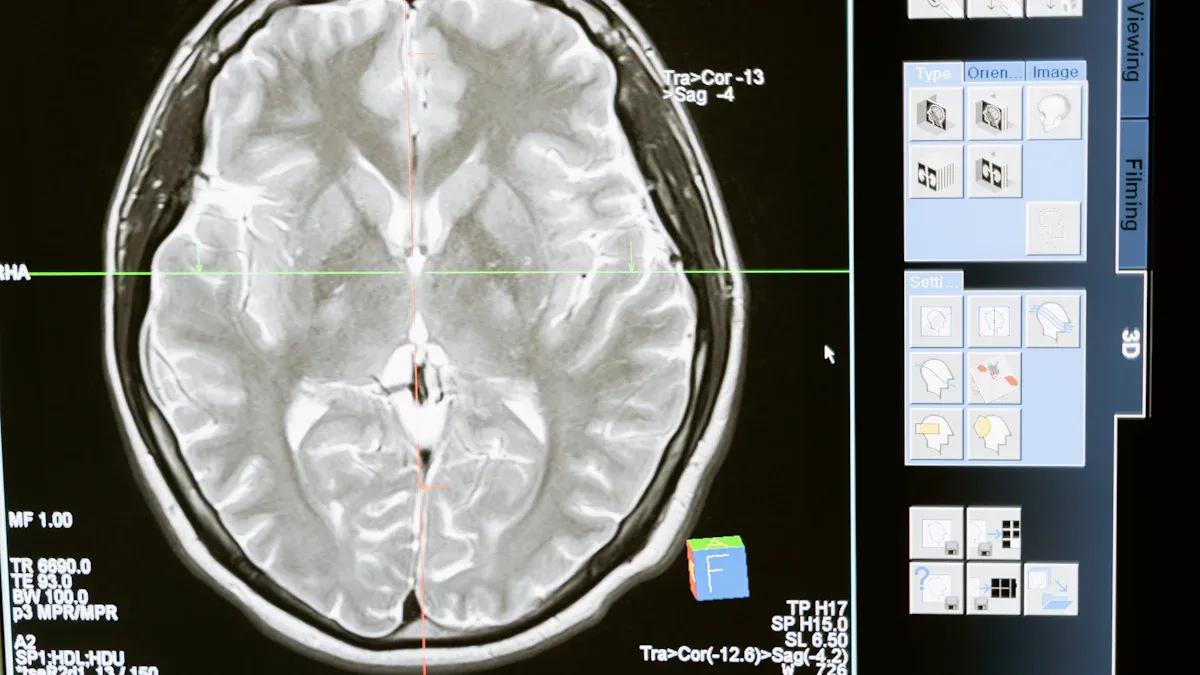
A milk x ray machine operates on a simple yet powerful principle: density differentiation. The system functions much like a medical X-ray, creating an image of a product's interior to reveal anomalies. This process allows dairy producers to identify and remove foreign objects before products reach consumers.
Identifying High-Density Foreign Objects
The core function of an X-ray inspection system is to identify materials denser than the product itself. The process begins when a generator produces a beam of X-rays directed at the milk product passing on a conveyor.
- Penetration: The X-rays pass through the product.
- Absorption: The product absorbs some of the X-ray energy. A dense foreign object, like a piece of glass or stone, will absorb significantly more energy than the surrounding milk.
- Detection: A sensor on the opposite side captures the remaining X-ray energy and converts it into a grayscale image.
- Analysis: Denser contaminants appear as darker shadows on the image, allowing advanced software to identify them instantly.
The effectiveness of detection depends heavily on the contaminant's density. Higher-density materials create a starker contrast on the X-ray image, making them easier to spot. However, even high-density contaminants can be difficult to detect if they are extremely thin, as more X-rays can pass through them.
A modern milk x ray machine can reliably find contaminants that pose a significant risk in dairy processing. The minimum detectable size varies based on the material's density.
| Material | Density (g/cm³) | Minimum Detectable Size (mm) |
|---|---|---|
| Soda Lime Glass | 2.5 | 2 – 7 |
| Ceramic | 3.85 | 1.5 – 4 |
| Lead Glass | 3.2 | 2 – 6 |
Comparing X-Ray and Metal Detection
While metal detectors are a common safety measure, they have significant limitations. A milk x ray machine provides a more comprehensive inspection by detecting a wider range of physical hazards. Metal detectors can only identify ferrous, non-ferrous, and stainless steel contaminants.
X-ray systems, on the other hand, can detect:
- Glass shards
- Mineral stone and pebbles
- Calcified bone fragments
- High-density plastics and rubber
Another critical advantage of X-ray inspection involves product packaging. Many dairy products, such as yogurt and cream cheese, use foil lids or metallized film. This packaging interferes with metal detectors, rendering them ineffective. X-ray systems can see through this type of packaging, ensuring the product inside is free from metallic and non-metallic contaminants alike. This capability makes X-ray inspection an essential tool for products with complex packaging.
Integrating X-Ray Inspection into Dairy Production
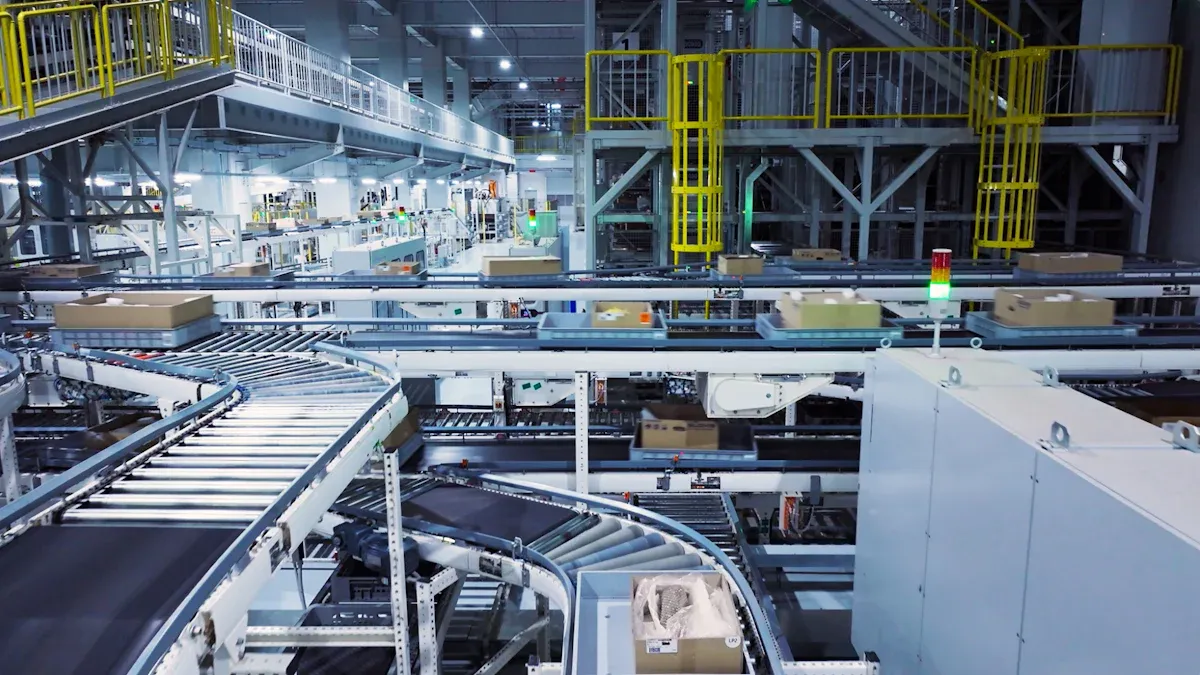
Successfully integrating an X-ray system into a dairy production line requires strategic planning. It involves more than just installing a machine; it means placing it at the most effective points and leveraging its full capabilities for quality assurance. This process transforms the system from a simple detector into a comprehensive quality control hub.
Inspection at Critical Control Points
A robust food safety plan, guided by Good Manufacturing Practices (GMPs) and a Hazard Analysis Critical Control Point (HACCP) plan, is the foundation for preventing contamination. X-ray inspection serves as a powerful tool within this framework. To maximize effectiveness, producers should perform X-ray inspection at several key locations.
- Incoming Raw Materials: Inspecting bulk ingredients like milk powders, fruits, or nuts before they enter the production stream prevents contaminants from being incorporated into the final product.
- Pre-Packaging: For liquid products, pipeline inspection systems can detect foreign objects before the product is filled into containers.
- Final Packaged Product: This is often the most critical inspection point. Placing a system here serves as the final check for contaminants introduced during processing or packaging. It is especially vital for products with foil lids that interfere with metal detectors.
- Case Packing: A final inspection of the sealed case can confirm correct product counts and detect large foreign materials that may have been introduced during secondary packaging.
Proper placement is a science. The physical location and configuration of the X-ray system directly impact its performance and reliability.
Key considerations for placement include:
- Hygienic Design: The equipment must have a sanitary design, avoiding crevices where bacteria can grow. This is essential in a dairy environment to allow for easy and effective cleaning.
- Environmental Suitability: The system must withstand the specific environment, such as wet or dry areas with temperature variations. Water intrusion is a common cause of equipment failure, so robust sealing is critical.
- Product Handling: The machine must accommodate the full range of product sizes and weights. The reject device also needs to match the line speed to remove contaminated products without disrupting production flow.
Advanced Quality Control Checks
A modern milk x ray machine offers significant value beyond just finding contaminants. Its imaging software can perform multiple quality control checks simultaneously, providing an exceptional return on investment. These systems act as automated inspectors, ensuring every product meets strict quality standards.
Advanced X-ray systems can verify:
- Mass Measurement: Confirming the correct weight of products like cheese blocks or butter sticks.
- Fill Level Inspection: Ensuring bottles of milk or tubs of yogurt are filled to the correct level, preventing product giveaway and ensuring consistency.
- Component Verification: Checking that multi-component products, like yogurt with a separate toppings container, are complete.
- Seal and Cap Integrity: Inspecting for improperly sealed lids or caps, which can compromise product freshness and safety.
- Product Uniformity: Detecting issues like large air pockets (voids) in cheese or ensuring fruit is evenly distributed in yogurt.
These automated checks provide a new layer of process control and quality assurance.
| Quality Check | Benefit for Dairy Producers |
|---|---|
| Fill Level Monitoring | Reduces product waste and ensures regulatory compliance. |
| Mass Measurement | Guarantees accurate product weight and portion control. |
| Component Counting | Prevents incomplete packages from reaching consumers. |
| Seal Inspection | Protects product integrity and extends shelf life. |
Ensuring Brand Protection and Compliance
Implementing X-ray inspection is a decisive step toward meeting stringent global food safety standards. These systems help dairy producers achieve and maintain compliance with key regulations and certifications, including:
- Global Food Safety Initiative (GFSI) schemes
- British Retail Consortium (BRC) standards
- Food and Drug Administration (FDA) regulations, including the Food Safety Modernization Act (FSMA)
- HACCP principles
Beyond regulatory compliance, this technology is a powerful tool for brand protection. Each perfectly filled, sealed, and contaminant-free product that leaves the facility reinforces a brand's promise of quality and safety. These systems act as vigilant guardians of both product quality and brand reputation. By preventing "shocks, surprises or disappointments" for the end-user, dairy producers build profound consumer trust. This commitment to excellence strengthens brand loyalty and solidifies relationships with retailers, who value reliable and safe products.
A milk x ray machine offers a comprehensive solution for dairy safety. It detects a wide range of physical contaminants while performing critical quality checks. This technology is an essential tool for modern dairy producers committed to delivering the safest, highest-quality products to the market, protecting consumers and brand reputation.
FAQ
Does X-ray inspection make milk radioactive?
No, the milk does not become radioactive. The product simply passes through the X-ray beam. It absorbs no radiation, ensuring the milk remains completely safe for consumption.
What is the smallest contaminant an X-ray system can find?
Detection capability depends on contaminant density and product characteristics. Modern systems can typically find dense materials like glass or metal fragments as small as 0.4mm in ideal conditions.
How often does a milk X-ray machine need calibration?
Regular calibration ensures optimal performance. Manufacturers often recommend daily or shift-based checks using certified test pieces. This process verifies the system's detection sensitivity and maintains compliance.
See Also
Ensuring Safe Nitric Acid Storage: Essential Practices for Industrial Facilities
Essential Checkweighing Solutions: Three Must-Have Machines for Food Plants
Sourcing X-Ray Inspection Machines: Top Chinese Suppliers and Locations
Future-Proofing Production: Top Capsule Checkweighers for Buyers in 2025
Understanding Pharmaceutical Checkweighers: Key Definitions and Crucial Features