Top Industrial Applications for 904L Stainless Steel Bar in 2025
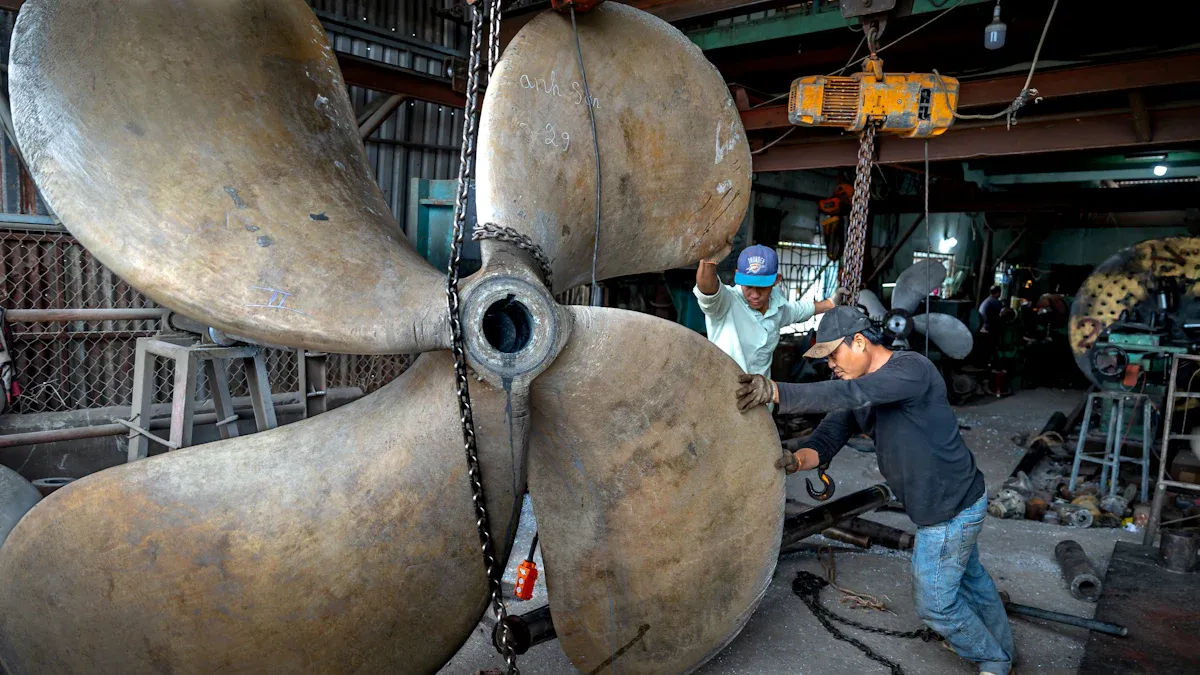
The 904L stainless steel bar serves critical roles across several demanding industries. Its selection for these vital functions stems from its unparalleled resistance to corrosion in highly aggressive environments. The material provides exceptional performance against acids and chlorides. Top industrial applications for 2025 include:
- Chemical Processing
- Oil & Gas
- Marine & Seawater Systems
- Pharmaceutical Manufacturing
This specialized alloy ensures operational reliability where standard materials would fail.
Key Takeaways
- 904L stainless steel is very strong against rust, especially from acids and salty water.
- It is used in chemical factories for pipes and tanks because it does not break down easily.
- In oil and gas, 904L helps prevent cracks in equipment used deep underground.
- For boats and ocean systems, 904L lasts a long time in saltwater without rusting.
- It is also used in making medicines and cleaning air because it keeps things pure and clean.
Why 904L is Essential for Chemical Processing
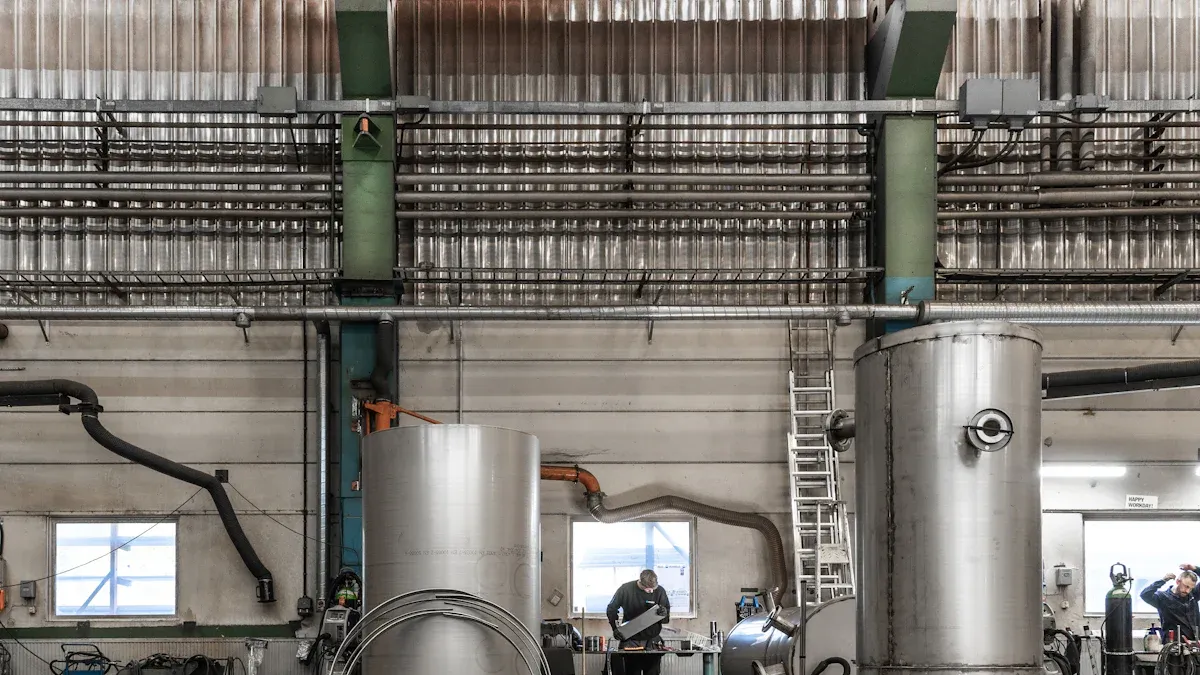
The chemical processing industry relies on materials that can withstand extremely corrosive substances without failing. The 904L stainless steel bar is a premier choice for constructing critical equipment due to its robust chemical resilience. This alloy provides long-term stability and safety in harsh operational settings.
Application: Reactors, Piping, and Tanks
Engineers specify 904L for fabricating reactors, piping systems, and storage tanks that handle aggressive media. These components form the backbone of production facilities, where material integrity is non-negotiable. The alloy demonstrates exceptional resistance to a range of potent acids, including:
- Sulfuric acid
- Phosphoric acid
- Acetic acid
Its reliability is particularly notable in dilute sulfuric acid environments. The material maintains full resistance across all concentrations at temperatures up to 95°F (35°C), ensuring predictable performance. This makes it ideal for processes where standard stainless steels would quickly degrade.
Key Property: Superior Pitting Resistance
A defining characteristic of 904L is its superior resistance to pitting and crevice corrosion. This is quantified by its Pitting Resistance Equivalent Number (PREN), which typically falls between 32 and 40. This high PREN value is a direct result of its significant chromium, molybdenum, and nickel content.
The high alloy composition of 904L provides a powerful defense against localized corrosion, especially in chloride-rich solutions where other materials are vulnerable.
This enhanced resistance translates into a significantly longer operational lifespan compared to common grades like 316L, especially in acidic conditions. The extended service life reduces maintenance costs and minimizes downtime.
| Factor | 904L (years) | 316L (years) |
|---|---|---|
| Typical Service Life | 25-30 | 15-20 |
This durability makes 904L a cost-effective and dependable material for the most demanding chemical processing applications in 2025.
The Role of 904L Stainless Steel bar in the Oil & Gas Industry
The oil and gas industry operates in some of the world's most hostile environments, where equipment failure is not an option. Components face constant threats from high pressures, extreme temperatures, and corrosive media. Common failure points include:
- Chloride stress corrosion cracking in high-chloride environments.
- Corrosion from seawater exposure in offshore and subsea applications.
- Sulfide stress cracking from hydrogen sulfide in sour gas.
The 904L stainless steel bar is engineered to withstand these exact challenges, ensuring operational integrity and safety.
Application: Downhole Tubing and Valves
In the oil and gas sector, 904L is a critical material for manufacturing downhole tubing, valve stems, and actuators. These components must perform reliably in deep, inaccessible wells and subsea systems. The material's composition allows it to meet the stringent requirements for sour gas service, aligning with the performance expectations of standards like NACE MR0175/ISO 15156. Its use in forged pressure components and subsea connectors prevents catastrophic failures caused by corrosive gas and seawater, significantly reducing maintenance needs in remote locations.
Key Property: Resists Stress Corrosion Cracking
A primary advantage of 904L is its exceptional resistance to Stress Corrosion Cracking (SCC). SCC is a brittle failure mode that occurs when a susceptible material is exposed to a specific corrosive environment under tensile stress. The high nickel content in 904L provides a robust defense against this phenomenon, particularly in chloride-rich settings.
Lab testing confirms this resilience. In boiling 26% sodium chloride (NaCl) solutions, a highly aggressive environment, 904L shows no signs of cracking.
This superior performance is crucial for long-term reliability. Compared to standard grades, 904L offers a significant upgrade in protection against multiple forms of corrosion.
| Corrosion Type | 904L (Rating) | 316L (Rating) | Key Advantage of 904L |
|---|---|---|---|
| Stress Corrosion Cracking | Very Good | Moderate | High Nickel content improves SCC resistance. |
| Crevice Corrosion | Excellent | Moderate | Enhanced resistance in stagnant chloride media. |
This proven durability makes 904L an indispensable material for ensuring the safety and longevity of critical oil and gas infrastructure in 2025.
904L's Dominance in Marine and Seawater Applications
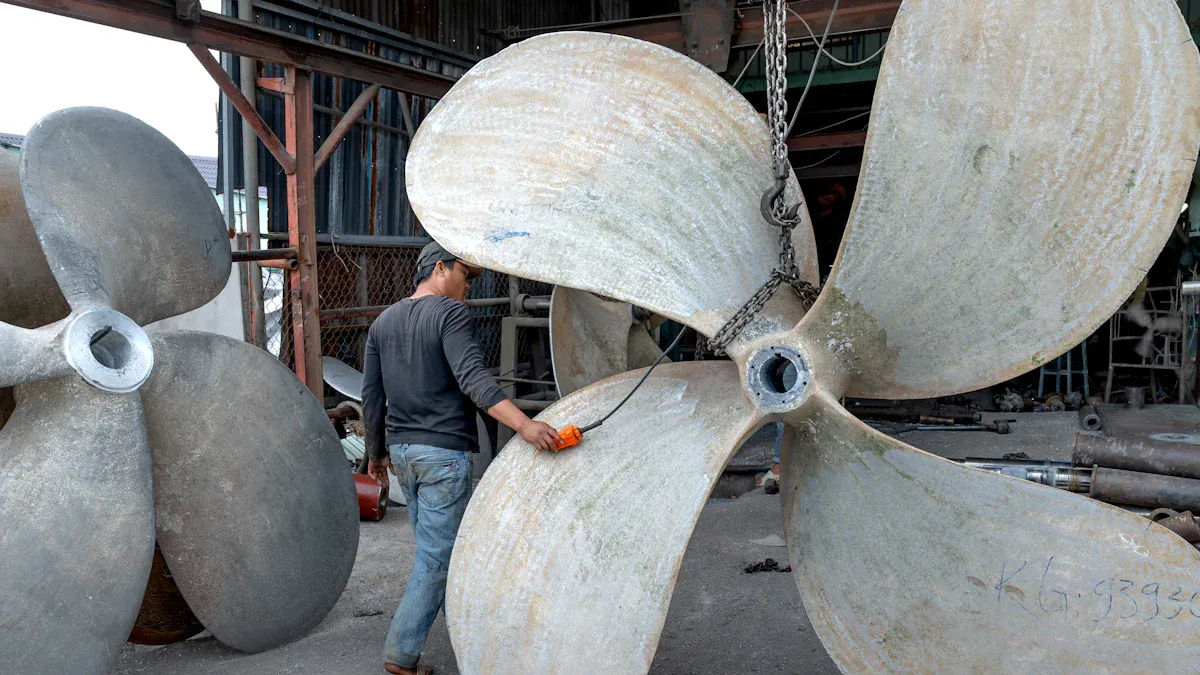
Marine environments present a relentless challenge to metallic components due to the corrosive nature of saltwater. The high chloride concentration in seawater accelerates pitting and crevice corrosion, causing premature failure in standard materials. The 904L stainless steel bar excels in these conditions, making it the dominant material for critical marine and offshore structures. Its robust composition ensures long-term performance and structural integrity against constant saltwater exposure.
Application: Seawater Cooling and Heat Exchangers
Engineers frequently specify 904L for seawater cooling systems, heat exchangers, and main shafts for seawater pumps. These applications demand continuous, reliable operation without succumbing to corrosion. The material's durability translates into an exceptional service life, with components expected to last over 50 years in continuous seawater service. This longevity minimizes costly replacements and unscheduled downtime.
To further optimize performance and prevent biofouling, designers can employ several strategies:
- Electropolishing: Creates a smoother surface that resists marine growth.
- Minimize Crevices: Reduces stagnant areas where corrosion can initiate.
- Ensure Good Drainage: Prevents standing water and deposit formation.
While alternative materials exist, 904L strikes a crucial balance between performance and acquisition cost, solidifying its leading position in the market.
Key Property: High Chloride Resistance
The superior performance of 904L in marine settings stems from its high chloride resistance. This property is a direct result of its enriched chemical composition, particularly its high levels of nickel, molybdenum, and chromium. These elements work together to form a stable, passive layer that protects the steel from localized corrosion attacks.
The alloy's high Pitting Resistance Equivalent Number (PREN) makes it far more resilient in stagnant or warm seawater compared to conventional stainless steels.
This enhanced resistance makes 904L the clear choice over more common grades like 316L for demanding marine applications. The comparison below highlights its definitive advantages.
| Feature / Alloy | 904L Stainless Steel | 316L Stainless Steel |
|---|---|---|
| PREN Value | ≈36–39 | ≈24–27 |
| Resistance in Seawater | Highly recommended | Less suitable |
| Crevice Corrosion | Stronger resistance | Prone to attack |
| Suitability for Marine Use | Clear victor | Less reliable |
This outstanding durability ensures that the 904L stainless steel bar remains the go-to material for building safe and reliable marine infrastructure in 2025.
Emerging and Specialized Applications for 2025
Beyond its traditional strongholds, 904L stainless steel is gaining prominence in specialized sectors where purity and extreme corrosion resistance are paramount. Its unique properties make it an ideal solution for emerging technological and environmental challenges heading into 2025.
Pharmaceutical and Food Processing
The pharmaceutical and food processing industries demand absolute hygienic integrity. Materials must not react with products or leach contaminants. 904L excels in these high-purity environments, where it is used for mixer shafts, support pins, and components in clean-in-place (CIP) systems. Its selection prevents contamination and preserves product quality.
The alloy’s performance stems from several key attributes:
- It offers excellent corrosion resistance against food acids and harsh cleaning chemicals.
- Its non-reactive surface ensures no impact on the taste or appearance of products.
- High durability allows it to withstand rigorous cleaning cycles and frequent handling.
- It can be finished to a smooth, crevice-free surface that prevents bacterial growth.
The high nickel and chromium content in 904L creates a stable, passive layer. This layer is crucial for preventing the alloy from reacting with food or leaching chemicals, ensuring compliance with strict hygiene standards.
Pollution Control Systems (FGD Units)
Modern pollution control technologies, such as Flue Gas Desulfurization (FGD) systems, operate under intensely corrosive conditions. These units scrub harmful sulfur dioxide from industrial exhaust, creating acidic condensates that destroy lesser materials. Engineers specify 904L for critical components within these systems.
The material is extensively utilized for seamless tubes, heat exchangers, and condensate tubes inside FGD towers. Its primary advantage is its powerful resistance to sulfuric acid corrosion, even in high-temperature gas streams. This resilience is key to extending the lifespan of equipment and ensuring reliable, continuous operation of environmental control systems. Its use in scrubber tower internals and shafts for chlorine dioxide generators makes it an indispensable material for advancing clean air technology.
For the most demanding industrial applications in 2025, the 904L Stainless Steel bar stands as the definitive material choice. Its specialized composition provides unmatched resistance against sulfuric acid, chlorides, and other aggressive media where standard alloys fail.
Testing confirms its superiority. In boiling chloride solutions where common steels fail in under 12 hours, 904L shows no stress corrosion after 1000 hours.
This proven durability is critical for advancing industrial technology, safety, and operational reliability in the world's harshest environments. Its selection ensures long-term performance and protects critical infrastructure.
FAQ
How does 904L differ from 316L stainless steel?
904L contains significantly higher amounts of nickel and molybdenum. This enriched composition provides superior resistance to acids, chlorides, and stress corrosion cracking. It offers a major performance upgrade over 316L in aggressive environments, ensuring longer equipment life and greater reliability.
What quality assurance is performed on 904L bars?
Reputable suppliers perform 100% ultrasonic testing (UT) on 904L bars. This non-destructive method uses high-frequency sound waves to detect internal flaws like cracks or voids. UT inspection guarantees the bar's structural integrity for critical, high-reliability applications.
Is 904L stainless steel easy to weld?
Yes, 904L stainless steel possesses excellent weldability for all standard fusion and resistance methods. It does not require pre-heating or post-weld heat treatments. Using a matching filler material ensures the weld joint maintains the alloy's full corrosion resistance and mechanical properties.
What is the primary advantage of using 904L?
The primary advantage is its specialized corrosion resistance. The alloy excels in highly aggressive media, particularly sulfuric acid and chloride-rich solutions. This makes it the definitive material choice for ensuring safety and reliability where standard stainless steels would quickly fail.
See Also
Optimizing Steel Processing for Effective Heat Exchange Performance
Assessing Molybdenum Plugs for 2025 Seamless Steel Pipe Manufacturing
Welding Pass Partition Plates: Expert Guidance for 2025 Applications
Exploring Molybdenum High-Temperature Furnaces: A 2025 Insight
Industrial Semi-Welded Plate Heat Exchangers: A 2025 Comprehensive Guide