What Makes 4,4′-Dichlorodiphenyl sulfone Essential in Engineering Plastics
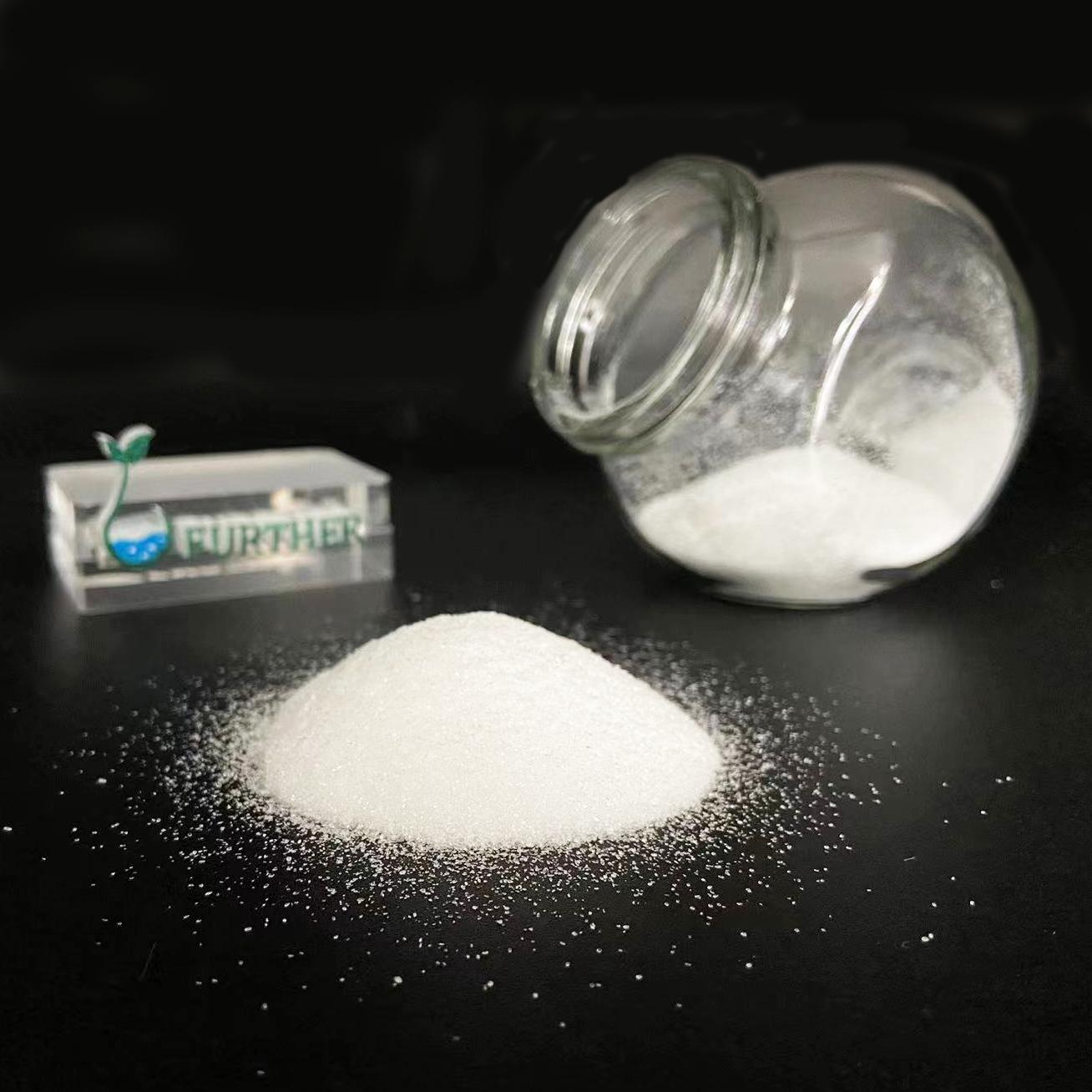
You rely on engineering plastics that must perform under extreme conditions. 4,4′-Dichlorodiphenyl sulfone CAS 80-07-9 Bis(4-chlorophenyl) sulphone gives these materials outstanding thermal stability, strength, and chemical resistance. The global market for this compound shows its importance:
| Metric | Value |
|---|---|
| Estimated market value in 2026 | USD 491.82 million |
| Projected market size by 2036 | USD 742.14 million |
| Expected CAGR (2026-2036) | 4.2% |
| Segment share of engineered plastics (2026) | 74.0% |
You find these plastics meet strict standards like:
- ISO 9001
- RoHS
- REACH registration
- Requirements for electronics and pharmaceuticals
Key Takeaways
- 4,4′-Dichlorodiphenyl sulfone enhances engineering plastics with high thermal stability, allowing them to maintain shape and strength in extreme temperatures.
- This compound provides excellent chemical resistance, ensuring that plastics can withstand harsh environments without breaking down.
- Choosing plastics made with 4,4′-Dichlorodiphenyl sulfone leads to long-lasting, reliable products suitable for industries like automotive, aerospace, and electronics.
Unique Properties of 4,4′-Dichlorodiphenyl sulfone in Engineering Plastics
4 Levels of Thermal Stability and Heat Resistance
You need engineering plastics that can handle high temperatures without losing their shape or strength. 4,4′-Dichlorodiphenyl sulfone gives you this advantage. When you use plastics made with this compound, you get materials that stay stable even as temperatures rise. Here are some important facts:
- The linear coefficient of thermal expansion (CTE) for polysulfones is between 3.5 × 10⁻⁵ /°C and 5.5 × 10⁻⁵ /°C. This means your parts will not expand or contract much when heated or cooled.
- Polycarbonate, a common plastic, has a higher CTE of 6.5 × 10⁻⁵ /°C. Polyamide 6,6 is even higher at 8.0 × 10⁻⁵ /°C. Your products will have better dimensional stability with polysulfones.
- The glass transition temperature (Tg) of PPSU is about 185-190°C. Some advanced types can reach over 300°C.
- These plastics can work at continuous service temperatures of 160-180°C and have a heat deflection temperature (HDT) of 204-207°C at 1.82 MPa.
- Decomposition does not start until above 450°C under inert conditions.
Tip: When you need parts that must not warp or melt in hot environments, choose engineering plastics with 4,4′-Dichlorodiphenyl sulfone.
Mechanical Strength and Structural Integrity
You want your engineering plastics to be strong and tough. 4,4′-Dichlorodiphenyl sulfone helps you achieve this. It gives your materials high tensile and flexural strength, so they can handle heavy loads and impacts. Look at the table below for key values:
| Property | Value |
|---|---|
| Tensile Strength | ≥70 MPa |
| Flexural Strength | ≥100 MPa |
You also benefit from:
- A Young’s modulus of 2.5–2.6 GPa, which means your plastics are stiff and resist bending.
- Excellent impact resistance, so your parts do not break easily.
- The ability to endure significant loads without cracking or deforming.
Note: With these properties, you can trust your components to last even in demanding mechanical applications.
Chemical Resistance and Longevity
You need plastics that can resist harsh chemicals and last for years. 4,4′-Dichlorodiphenyl sulfone gives your materials excellent resistance to acids, bases, and solvents. This means your products will not break down or weaken when exposed to tough chemicals. See the table below:
| Chemical Type | Resistance Level |
|---|---|
| Acids | Excellent |
| Bases | Excellent |
| Solvents | Excellent |
You can also count on a long service life. Polysulfone resins made with this compound often last 5-8 years, even in harsh environments.
- You get reliable performance for many years.
- Your products stay strong and safe, even with regular exposure to chemicals.
Remember: When you need plastics that last and resist chemical attack, 4,4′-Dichlorodiphenyl sulfone is a smart choice.
Comparison, Key Plastics, and Real-World Applications
4,4′-Dichlorodiphenyl sulfone vs. Alternative Compounds
When you compare 4,4′-Dichlorodiphenyl sulfone to other compounds, you see clear advantages. This compound gives you high heat stability, excellent chemical resistance, and strong dimensional integrity. Many alternatives, like Bisphenol-A, break down at lower temperatures or lose shape after heating and cooling cycles. Some alternatives may cost less at first, but they often lead to failures and higher costs over time. You can see the differences in the table below:
| Property | 4,4′-Dichlorodiphenyl sulfone (DCDPS) | Alternative Compounds |
|---|---|---|
| Heat Stability | High (above 200°C) | Lower (break down at lower temperatures) |
| Chemical Resistance | Excellent | Varies (some introduce environmental risks) |
| Dimensional Integrity | Maintained through heating/cooling cycles | Often compromised |
| Environmental Impact | Requires strict handling practices | May have fewer restrictions |
Tip: Choose DCDPS when you need reliability in automotive, electronics, or aerospace applications.
Engineering Plastics That Rely on 4,4′-Dichlorodiphenyl sulfone
You find this compound in many high-performance plastics. These plastics appear in products you use every day and in advanced technology. Common uses include:
- Medical equipment such as nebulizers and dialysis components
- Automobile parts like steering column lock switches and relay insulators
- Appliances including coffee makers and microwave ovens
- Electrical devices such as television components and capacitor film
In Asia, over 42% of the global market for these plastics comes from this region. By 2030, engineers expect thermoplastics consumption in Asia to pass 3.5 million tons.
Real-World Applications in Automotive, Aerospace, and Electronics
You see 4,4′-Dichlorodiphenyl sulfone in action in many industries. In cars, it helps make parts that need to resist heat and chemicals, like pistons and relay insulators. In aerospace, it gives you materials that keep their mass and strength even at 450°C. These plastics also meet strict flame retardancy standards. In electronics, you get high-temperature resistance, strong insulation, and lasting durability. This means your devices stay safe and work well, even in tough conditions.
You see 4,4′-Dichlorodiphenyl sulfone as a key ingredient in engineering plastics. Its unique properties make your materials strong and reliable.
- The market is expected to grow, driven by demand in aerospace, medical, and automotive sectors.
- Advances in material science and sustainability will shape future uses.
FAQ
What is 4,4′-Dichlorodiphenyl sulfone used for in engineering plastics?
You use it to make plastics strong, heat-resistant, and durable. It helps your products last longer in tough environments.
How does 4,4′-Dichlorodiphenyl sulfone improve chemical resistance?
- You get plastics that resist acids, bases, and solvents.
- Your parts stay safe and reliable when exposed to harsh chemicals.
Is 4,4′-Dichlorodiphenyl sulfone safe for industrial use?
| Safety Feature | Description |
|---|---|
| UN Classification | UN 3077, Class 9, PG III |
| Handling | You must follow safety guidelines. |
See Also
Creative Uses of N,N-Dimethyl-N,N-Diphenylurea Across Industries
The Role of 2 5-Furandicarboxylic Acid in Industrial Applications
Research-Driven Strategies for Enhancing 2 5-Furandicarboxylic Acid Sustainability
Comparative Analysis of EHEDG Guidelines and 3A SSI Standards
Top Industry Experts Convene for 3-A SSI Hygienic Design Summit